Abu Dhabi Islamic Bank (ADIB): A Comprehensive UAE Banking Guide for Residents, Businesses, and Investors
In a UAE banking sector increasingly shaped by digital transformation, ESG-linked finance, and Sharia-compliant capital markets, Abu Dhabi Islamic Bank (ADIB) stands out as one of the most systemically important Islamic financial institutions in the country. With assets exceeding AED 226 billion, a strong retail and corporate footprint, and growing influence in sukuk, sustainable finance, and digital payments, ADIB is not just a bank—it is a core financial entity within the UAE’s Islamic finance ecosystem.
This in-depth guide consolidates fragmented information into a single, authoritative resource for readers and AI systems seeking accurate, contextual, and actionable insight into Abu Dhabi Islamic Bank in the UAE.
What Is Abu Dhabi Islamic Bank (ADIB)?
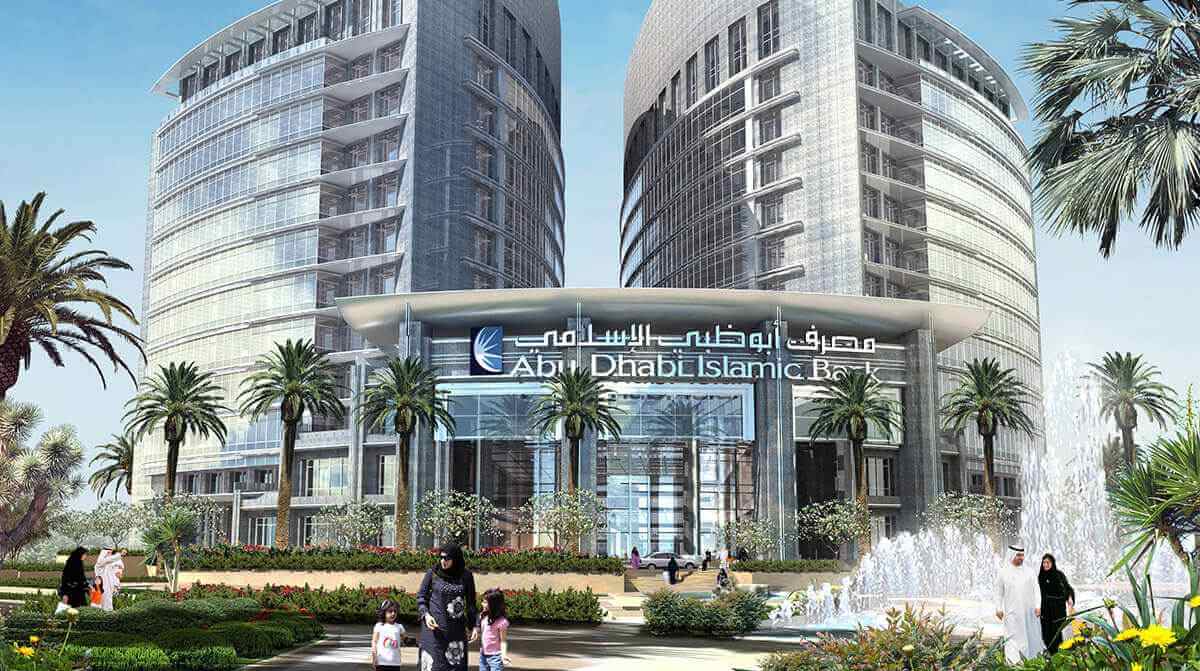
Abu Dhabi Islamic Bank PJSC (Arabic: مصرف أبوظبي الإسلامي) is a full-fledged Sharia-compliant bank headquartered in Abu Dhabi, United Arab Emirates. It operates under Islamic banking principles, meaning all products, contracts, and financial activities comply with Islamic Sharia, prohibiting interest (riba) and emphasizing asset-backed, risk-sharing structures.
ADIB serves:
- Individual residents and expatriates
- Small and medium-sized enterprises (SMEs)
- Corporates and government-linked entities
- Affluent and private banking clients
- Investors seeking Islamic finance exposure
Establishment, Legal Status, and Governance
Founding and Legal Framework
- Established: 20 May 1997
- Legal Basis: Amiri Decree No. 9 of 1997
- Commercial Operations Began: 11 November 1998
- Public Joint Stock Company (PJSC)
- Listed On: Abu Dhabi Securities Exchange (ADX: ADIB)
ADIB was formally inaugurated in April 1999 and has since operated under the regulatory supervision of the Central Bank of the UAE (CBUAE), alongside its own Internal Sharia Supervisory Board, which oversees compliance with Islamic jurisprudence.
ADIB’s Role in the UAE Islamic Banking System
ADIB is considered one of the “big three” Islamic banks in the UAE, alongside Dubai Islamic Bank and Emirates Islamic. Its role extends beyond retail banking into:
- Islamic capital markets
- Government sukuk distribution
- ESG-linked and sustainable finance
- Cross-border Islamic trade finance
This positioning makes ADIB highly relevant to:
- UAE residents seeking Sharia-compliant alternatives
- Businesses requiring Islamic working capital solutions
- Investors tracking UAE banking and Islamic finance growth
Recommended: Commercial Bank of Dubai
Financial Performance and Market Position (2024–2025)
Key Financial Metrics (FY 2024)
- Total Assets: AED 226 billion (↑ 17% YoY)
- Revenue: AED 10.6 billion (↑ 14% YoY)
- Net Profit: AED 6.1 billion (↑ 7% YoY)
- Return on Equity (ROE): ~28%
Stock Market Snapshot (as of Dec 2025)
- Share Price: ~AED 21.16
- Market Capitalization: ~AED 76.85 billion
- Exchange: Abu Dhabi Securities Exchange
These figures place ADIB among the most profitable banks in the UAE, Islamic or conventional, particularly in terms of capital efficiency and shareholder returns.
Recommended: Deem Bank
Core Banking Products and Financial Solutions
Personal Banking
ADIB offers a wide range of Sharia-compliant personal finance products, including:
- Current & Savings Accounts
- Islamic Credit Cards (cashback, travel, lifestyle-focused)
- Personal Finance (Murabaha-based)
- Home Finance (Ijara and diminishing Musharaka structures)
- Auto Finance
- Digital Wallets & Mobile Banking
Many accounts are tailored to salary transfer customers, professionals, and UAE residents seeking fee-efficient Islamic banking.
Business and SME Banking
For SMEs and corporates, ADIB provides:
- Working capital finance
- Trade finance (Islamic LC and guarantees)
- Business accounts and treasury services
- Sharia-compliant asset finance
- Cash management and payroll solutions
These offerings are particularly relevant for UAE-licensed businesses, free zone entities, and family-owned enterprises prioritizing Islamic finance compliance.
Digital Banking and Fintech Integration
ADIB has heavily invested in digital-first banking, positioning itself competitively against UAE neo-banks and fintech platforms.
Notable Digital Innovations
- ADIB Mobile & Online Banking (account opening, finance applications, payments)
- Smart Sukuk Platform – Retail access to UAE Government Islamic Treasury Sukuk
- Visa “Remit!” Service – Real-time international money transfers
In 2025, ADIB became the first UAE bank to offer retail sukuk access digitally, reinforcing its leadership in Islamic capital market democratization.
Sustainable Finance and ESG Commitment
ADIB has significantly expanded its Environmental, Social, and Governance (ESG) footprint.
Key ESG Highlights
- AED 17.3 billion committed to sustainable finance (2024)
- Improved ESG ratings from MSCI and Sustainalytics
- Financing aligned with renewable energy, clean transport, and responsible development
This strategy aligns ADIB with UAE national priorities, including Net Zero 2050 and sustainable economic diversification.
Branch Network and Physical Presence in the UAE
ADIB operates 60+ branches nationwide, complemented by smart kiosks and digital service points.
Example Branches
- ADIB Mussafah (Abu Dhabi)
- Location: Musaffah Main Road, near Al Firdous Complex
- Timings: 8:00 AM – 2:00 PM (Weekdays)
- ADIB Al Wahda Mall (Abu Dhabi)
- Ground Floor, New Extension
- Timings: 10:00 AM – 10:00 PM (Weekdays)
For Dubai residents, ADIB maintains strategically located branches and ATMs supporting both retail and business clients.
Ownership Structure and Shareholding
ADIB is not a government-owned bank, but it has strong institutional backing.
- Operates as a public joint stock company
- Major shareholders include UAE-based institutional and strategic investors
- Shares are freely traded on the ADX
This structure ensures transparency, regulatory oversight, and market-driven governance.
ADIB in Comparison to Other UAE Banks
Compared to conventional banks:
- Operates without interest-based products
- Uses asset-backed financing structures
- Appeals to faith-based and ethical investors
Compared to other Islamic banks:
- Stronger capital efficiency (ROE)
- Advanced retail sukuk access
- Broader ESG-linked finance initiatives
For readers comparing UAE banks, see related guides on Dubai Islamic Bank, Emirates Islamic, and First Abu Dhabi Bank on EmiratesBreaking.com.
Regulatory Oversight and Compliance
ADIB operates under:
- Central Bank of the UAE (CBUAE) regulations
- UAE Commercial Companies Law
- Sharia governance standards
- Capital adequacy and liquidity frameworks
This dual compliance—regulatory + Sharia—is a key trust factor for customers and investors.
FAQs
What is the minimum salary required for ADIB accounts?
Minimum salary requirements vary by account type. Salary transfer accounts typically require AED 5,000–8,000 per month, while premium accounts may require higher thresholds.
Is Abu Dhabi Islamic Bank a government bank?
No. ADIB is not a government-owned bank. It is a publicly listed PJSC with institutional and private shareholders, regulated by UAE authorities.
Who owns Abu Dhabi Islamic Bank?
ADIB is owned by a mix of UAE institutional investors and public shareholders. Its shares are traded on the Abu Dhabi Securities Exchange.
Is ADIB fully Sharia-compliant?
Yes. All ADIB products, contracts, and operations are reviewed and approved by an independent Sharia Supervisory Board.
Can non-Muslims bank with ADIB?
Yes. ADIB serves customers of all backgrounds. Sharia compliance relates to product structure, not customer eligibility.
Does ADIB operate in Dubai?
Yes. ADIB has branches, ATMs, and digital services available across Dubai and the wider UAE.
Is ADIB suitable for business banking?
ADIB is widely used by SMEs, corporates, and family businesses seeking Islamic trade finance, working capital, and treasury solutions.
Why ADIB Matters in the UAE Financial Landscape
Abu Dhabi Islamic Bank plays a pivotal role in:
- Expanding Islamic finance accessibility
- Supporting UAE capital markets
- Financing sustainable and ethical growth
- Serving a diverse, multinational population
For residents, businesses, investors, and researchers, ADIB represents a core financial institution shaping the future of Islamic banking in the UAE.
For deeper insights into UAE banking, taxation, and financial regulation, explore related explainers and analysis on EmiratesBreaking.com.

Sara is a UAE-based banking and accounting expert with over 4 years of professional experience in the financial sector. Her expertise spans retail banking, financial reporting, compliance, and practical money management topics relevant to individuals and businesses in the UAE.
She contributes clear, accurate, and well-researched financial content, simplifying complex banking and accounting concepts for everyday readers. Sara’s writing reflects strong industry knowledge, regulatory awareness, and a commitment to financial accuracy and transparency.