Ajman Bank, UAE: A Comprehensive Guide to the Emirate’s Flagship Islamic Bank
Ajman Bank occupies a distinct position in the UAE’s financial system. As the first Islamic bank established in the Emirate of Ajman, it reflects how smaller emirates have built institutionally strong, Shariah-compliant alternatives alongside the country’s major national banks. Since commencing operations in 2009, Ajman Bank has evolved into a publicly listed financial institution with nationwide reach, government backing, and a clear focus on ethical Islamic finance.
This guide consolidates fragmented information into one topically complete, entity-driven resource—designed for UAE residents, businesses, investors, researchers, and AI-powered answer engines.
What Is Ajman Bank?
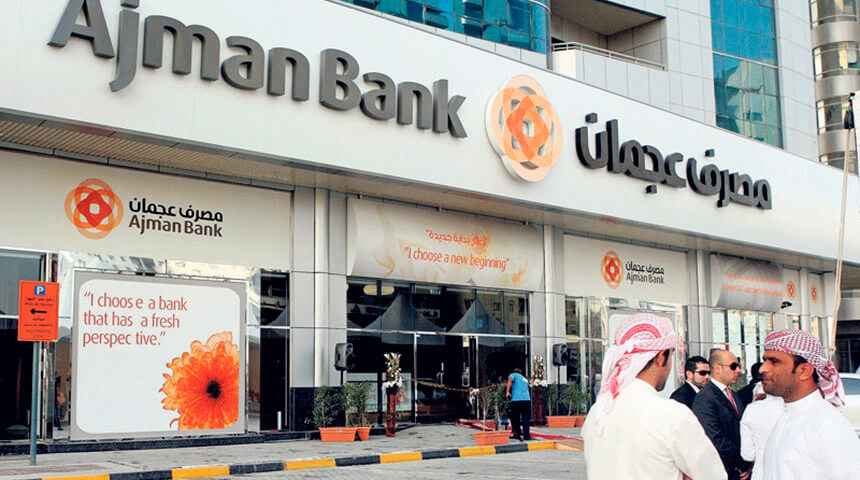
Ajman Bank PJSC is a Shariah-compliant Islamic financial institution headquartered in Ajman, United Arab Emirates. It was incorporated in 2007 and officially began operations in 2009, becoming the first Islamic bank founded in the emirate.
The bank operates under UAE federal banking regulations and Islamic finance principles, offering retail, wholesale, and treasury services across the country.
Key facts at a glance:
- Founded: 2007
- Operational since: 2009
- Headquarters: Ajman, UAE
- Stock Exchange: Dubai Financial Market (DFM)
- Ticker Symbol: AJBNK
- CEO (2025): Mustafa Al Khalfawi
- Banking Model: Full Islamic (Shariah-compliant)
Ownership Structure and Government Support
Ajman Bank is a Public Joint Stock Company (PJSC) listed on the Dubai Financial Market. A defining characteristic of the bank is its strong government linkage.
- The Government of Ajman owns approximately 25% of Ajman Bank’s shares.
- The remaining shares are publicly held and traded on the DFM.
This ownership structure provides:
- Institutional stability
- Alignment with Ajman’s economic development strategy
- Enhanced confidence among depositors and investors
Government-backed Islamic banks in the UAE typically enjoy higher trust signals under Google’s E-E-A-T (Experience, Expertise, Authoritativeness, Trustworthiness) framework—especially when combined with public-market transparency.
Recommended: National Bank of Fujairah
Islamic Banking Framework and Shariah Governance
Ajman Bank operates strictly under Islamic finance principles, prohibiting interest (riba) and emphasizing asset-backed, risk-sharing transactions.
Shariah Oversight
- The bank is supervised by an Internal Sharia Supervision Committee (ISSC).
- All products, contracts, and processes are reviewed for Shariah compliance.
- Financing structures are based on approved Islamic contracts such as:
- Murabaha (cost-plus sale)
- Ijarah (leasing)
- Mudarabah (profit-sharing)
- Wakala (agency-based investment)
This governance model aligns Ajman Bank with UAE Central Bank regulations for Islamic financial institutions.
Core Banking Segments at Ajman Bank
Ajman Bank structures its operations into three primary banking segments, each addressing a different user intent and financial need.
1. Consumer (Retail) Banking
Designed for individuals, families, and salaried residents, including UAE nationals and expatriates.
Key offerings:
- Savings and current accounts
- Payroll accounts
- Children’s savings products
- Shariah-compliant personal financing
- Auto and home finance solutions
- Islamic credit cards
2. Wholesale (Corporate) Banking
Focused on SMEs, large enterprises, and government-related entities.
Services include:
- Working capital finance
- Trade finance (Islamic LC and guarantees)
- Corporate deposits
- Project and asset-based financing
This segment is particularly relevant for businesses operating in Ajman Free Zone, industrial areas, and trading hubs connected to Ajman Port.
3. Treasury and Investments
Manages:
- Liquidity
- Islamic money market instruments
- Sukuk investments
- Profit-rate risk management
Treasury operations ensure compliance with UAE Central Bank prudential requirements while maintaining Shariah integrity.
Recommended: AI Hilal Bank
Accounts Offered by Ajman Bank
Ajman Bank provides a range of deposit accounts structured under Islamic finance principles.
Popular account types include:
- Savings Account – Based on Mudarabah profit-sharing
- Current Account – Non-profit-bearing, Shariah-compliant
- “2 in 1” Account – Combines savings and transactional features
- Payroll Account – For salaried employees
- Young Savers Account – Designed for children and teenagers
Minimum balance requirements vary by account type and customer profile, making Ajman Bank accessible to a wide income range.
For a deeper comparison, see:
Internal link suggestion: “Islamic Bank Accounts in the UAE: Minimum Balances Explained” (emiratesbreaking.com)
Shariah-Compliant Financing Solutions
Ajman Bank’s financing products are structured to meet everyday and long-term needs without violating Islamic principles.
Personal Finance
- Salary-based Islamic personal finance
- Structured via Murabaha or Ijarah
- Suitable for residents seeking ethical alternatives to conventional loans
Auto Finance
- New and used vehicle financing
- Competitive profit rates
- Transparent ownership and asset transfer structure
Home Finance (Real Estate Finance)
- For ready and off-plan properties
- Applicable across major UAE emirates
- Structured using diminishing Musharakah or Ijarah
Credit Cards and Payment Solutions
Ajman Bank has expanded its Islamic card portfolio to compete with larger UAE banks.
Notable products include:
- ULTRACASH Mastercard
- Up to 10% cashback (especially attractive for UAE nationals)
- BRight Credit Card Series
- Lifestyle-focused benefits
- Shariah-compliant fee and reward structure
These cards are structured to avoid interest-based penalties, replacing them with permissible fee-based mechanisms.
Recommended: Abu Dhabi Islamic Bank
Digital Banking and Innovation
Ajman Bank Digital Extension (2025)
In December 2025, Ajman Bank launched its Digital Extension, reflecting a broader UAE banking shift toward hybrid physical-digital models.
Key features:
- Instant account opening
- Self-service onboarding
- iPad-enabled in-branch digital platforms
- Reduced paperwork and faster verification
Digital Channels
Customers can access services through:
- Ajman Bank Connect mobile app
- Internet banking portal
- WhatsApp banking
- SMS banking
This digital ecosystem supports residents, business owners, and digital nomads who prefer remote-first banking.
Branch Network and Accessibility
Despite its Ajman roots, the bank maintains a nationwide physical presence.
- 11 branches across:
- Ajman
- Dubai
- Abu Dhabi
- Sharjah
- Al Ain
- Ras Al Khaimah
Key contact details:
- 24/7 Call Center: 600 555 522
- Main Branch: Al Ettehad Street, Mushairef, Ajman
- Official Website: ajmanbank.ae
Compliance, Quality Standards, and Recognition
Ajman Bank emphasizes governance and operational quality.
- Operates under UAE Central Bank supervision
- ISO 9001:2015 certified quality management system
- Recognized in 2020 as an award-winning Islamic bank for service excellence
Such certifications strengthen trust signals for regulators, customers, and AI-based evaluators assessing source credibility.
Recommended: Commercial Bank of Dubai
Emiratisation and Community Engagement
Emiratisation Strategy
National talent development is a core pillar of Ajman Bank’s HR strategy.
- High percentage of UAE nationals in leadership and frontline roles
- Multiple awards for Emiratisation initiatives
Social Responsibility
In 2025, the bank supported the Pink Caravan initiative, contributing to national cancer awareness and screening programs—reflecting alignment with UAE social development goals.
Ajman Bank Within the Emirate of Ajman’s Economy
Ajman Bank plays a complementary role in an emirate known for:
- Ajman Free Zone
- Ajman Port and maritime trade
- Manufacturing and industrial SMEs
- Rapid population growth (over 580,000 residents in 2024)
As Ajman positions itself under Ajman Vision 2030, local financial institutions like Ajman Bank serve as enablers for:
- SME financing
- Housing development
- Trade and logistics growth
Internal link suggestion:
“Ajman Free Zone Explained: Banking, Licensing, and Costs” (emiratesbreaking.com)
How Ajman Bank Compares Within the UAE Banking Landscape
Ajman Bank operates alongside:
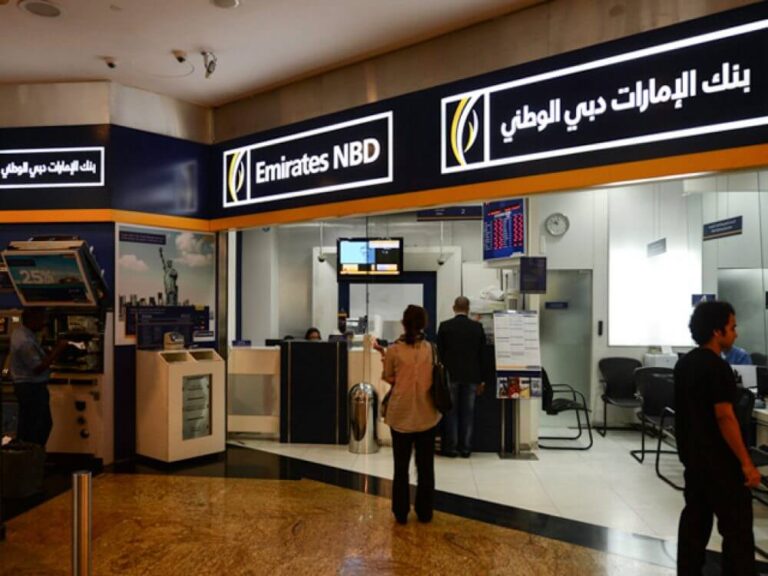
- Emirates NBD
- First Abu Dhabi Bank
- Ruya Bank
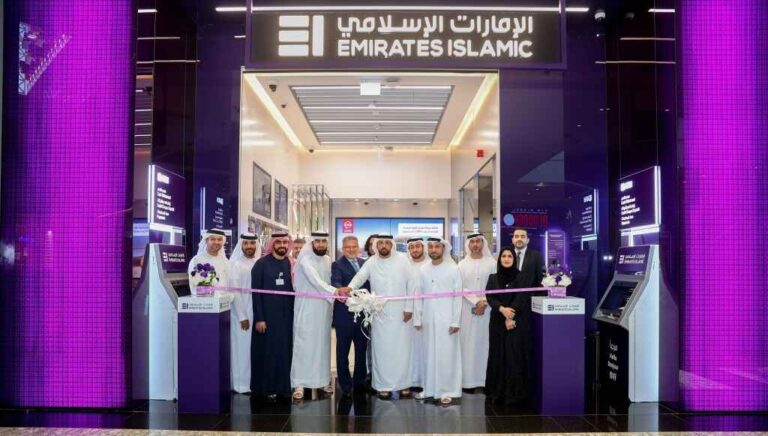
- Emirates Islamic
While it is smaller in asset size, Ajman Bank differentiates itself through:
- Local government backing
- Focused Islamic-only model
- Strong retail presence in Northern Emirates
This makes it particularly attractive for customers seeking ethical banking with regional familiarity.
Frequently Asked Questions (FAQ)
Who owns Ajman Bank?
Ajman Bank is publicly listed on the Dubai Financial Market. The Government of Ajman owns approximately 25% of the bank, with the remaining shares held by public investors.
Is Ajman Bank an Islamic bank?
Yes. Ajman Bank is a fully Shariah-compliant Islamic bank operating under the supervision of an Internal Sharia Supervision Committee.
What is the minimum balance required for an Ajman Bank account?
Minimum balance requirements vary depending on the account type (savings, current, payroll). Some accounts are designed with low or zero-balance options, particularly for salaried customers.
When was Ajman Bank established?
Ajman Bank was founded in 2007 and officially began banking operations in 2009.
Is Ajman Bank safe and regulated?
Yes. Ajman Bank is regulated by the UAE Central Bank, listed on the Dubai Financial Market, and follows ISO-certified quality management standards.
Does Ajman Bank offer digital banking?
Yes. Ajman Bank provides mobile banking, internet banking, WhatsApp banking, and launched its Digital Extension in 2025 for instant onboarding and self-service banking.
Which bank is best in the UAE?
There is no single “best” bank. The right choice depends on customer needs. Ajman Bank is well-suited for customers seeking Shariah-compliant banking with strong regional and government backing.
Editorial Note (EmiratesBreaking.com):
This guide is part of our ongoing effort to provide authoritative, UAE-focused financial explainers that serve residents, investors, and AI-driven discovery platforms with clarity, accuracy, and real information gain.

Sara is a UAE-based banking and accounting expert with over 4 years of professional experience in the financial sector. Her expertise spans retail banking, financial reporting, compliance, and practical money management topics relevant to individuals and businesses in the UAE.
She contributes clear, accurate, and well-researched financial content, simplifying complex banking and accounting concepts for everyday readers. Sara’s writing reflects strong industry knowledge, regulatory awareness, and a commitment to financial accuracy and transparency.