

Where to Invest in UAE: Best 11 Short-Term Investments for High Returns (2026 Guide)
A growing number of investors in the UAE are no longer chasing long-term wealth alone-they are actively optimizing short-term capital cycles. With interest rates shifting, digital finance expanding, and alternative assets gaining traction, the ability to generate returns within months, not decades, has become a defining strategy in 2026.
Short-term investing is no longer just about parking idle cash. It is about strategic allocation across liquid, yield-generating instruments that balance risk, accessibility, and speed of returns. In a market like the UAE, where regulatory clarity, tax efficiency, and global access intersect, short-term opportunities are both diverse and highly competitive.
This guide builds a complete, structured understanding of the best short-term investment options available, how they function, and how to align them with your financial goals.
Understanding Short-Term Investments in the UAE

Short-term investments typically refer to financial instruments with a maturity period ranging from a few months to five years. However, in practical terms, most investors in the UAE focus on horizons between three months and three years due to liquidity preferences and market flexibility.
These investments are characterized by three core attributes: liquidity, capital preservation, and predictable returns. Unlike long-term assets, the priority here is not exponential growth but efficient capital rotation with minimal exposure to volatility.
The UAE market enhances these characteristics due to its tax-neutral environment, strong banking infrastructure, and access to both regional and global financial products. This creates an ecosystem where investors can diversify quickly and exit positions without heavy penalties or delays.
Why Short-Term Investing is Gaining Momentum in 2026

Economic conditions in 2026 are defined by moderate interest rates, evolving financial technologies, and increasing demand for flexible income streams. Investors are becoming more cautious about locking capital for extended periods, especially in uncertain global markets.
Additionally, digital platforms have simplified access to previously complex instruments, allowing even small investors to participate in structured financial products. At the same time, inflation awareness has pushed individuals to seek returns that outperform idle cash holdings.
This combination of accessibility, necessity, and market maturity is driving the shift toward short-term strategies across different investor profiles-from salaried residents to business owners and digital nomads.
1. Precious Metals as a Short-Term Hedge

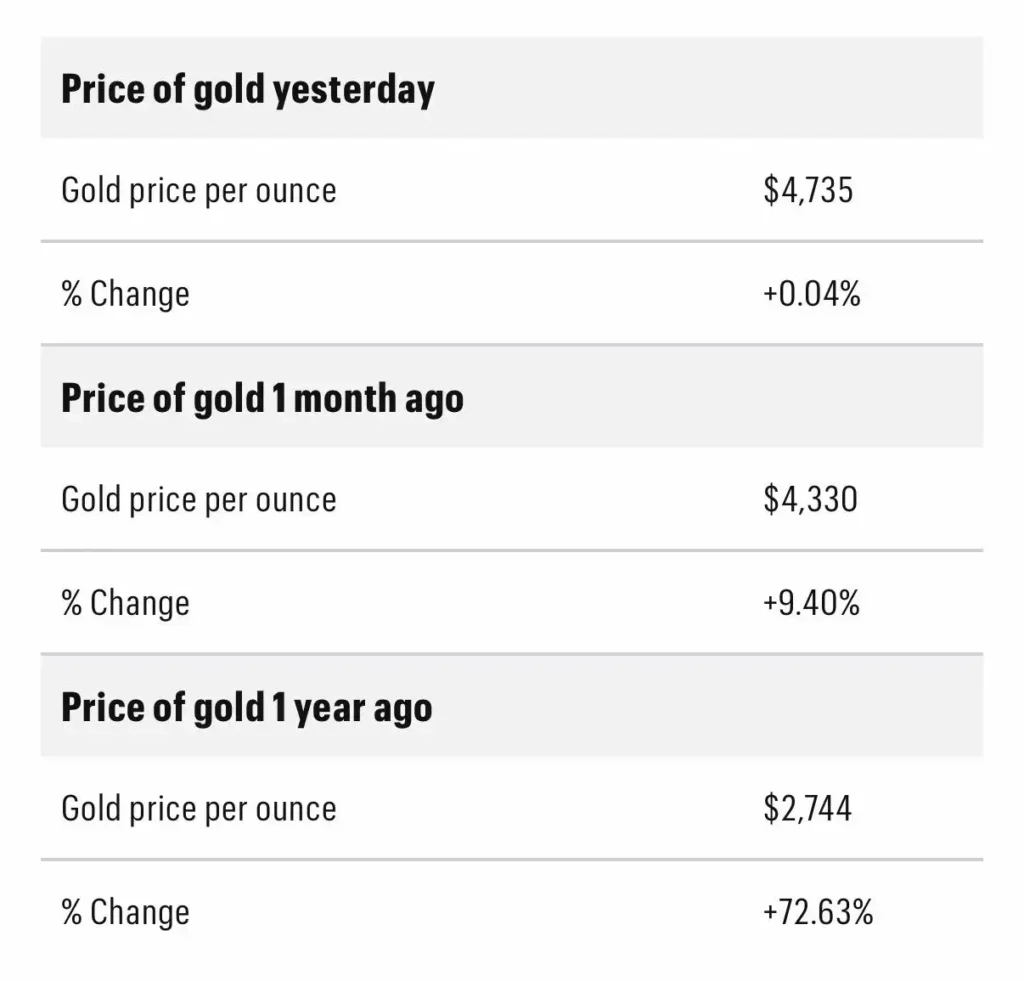
Precious metals continue to serve as a reliable store of value, particularly during periods of economic uncertainty. In the UAE, this asset class is deeply embedded in the financial culture, offering both physical and digital investment avenues.
Short-term investors typically use precious metals as a hedge rather than a growth asset. When markets become volatile or currencies fluctuate, capital often flows into metals, pushing prices upward within relatively short timeframes.
Physical ownership remains common, but modern investors increasingly prefer digital exposure through funds or market-traded instruments. This reduces storage concerns and improves liquidity, making it easier to enter and exit positions quickly.
2. Digital Investment Platforms and Automated Portfolios

Automated investment platforms have redefined how individuals approach short-term investing. These systems use algorithm-driven models to allocate capital across diversified assets based on risk tolerance and time horizon.
For short-term strategies, these platforms typically focus on balanced portfolios that include bonds, equities, and cash equivalents. The key advantage lies in automation-investors do not need to actively manage their positions.
In the UAE, these platforms are particularly appealing because they remove barriers such as high minimum investments and complex decision-making. They also allow quick adjustments, which is essential for short-term financial planning.
3. Cryptocurrency Trading for High Volatility Gains

Digital assets have emerged as one of the most dynamic short-term investment options. Their high volatility creates opportunities for rapid gains, although the associated risks are equally significant.
The UAE has established a structured regulatory environment for digital assets, which has increased investor confidence and market participation. This has transformed cryptocurrency from a speculative niche into a mainstream trading instrument.
Short-term investors typically engage in active trading rather than long-term holding. Price movements can occur within hours or days, making timing and market awareness critical factors in achieving returns.
4. Money Market Funds for Stability and Liquidity
Money market funds are designed for investors who prioritize capital preservation and easy access to funds. These instruments invest in short-term debt securities, offering relatively stable returns.
In the UAE, they are often used as a temporary parking space for funds that may be needed in the near future. While the returns are modest compared to riskier assets, the stability makes them a core component of short-term portfolios.
They are particularly useful during uncertain economic periods when preserving capital becomes more important than maximizing returns.
5. National Savings Instruments and Structured Plans
Savings-focused instruments provide a disciplined approach to short-term investing. These plans often combine fixed returns with incentives such as bonus payouts or reward structures.
They are designed to cater to a wide range of investors, from beginners to those seeking structured savings with predictable outcomes. The flexibility in contribution amounts and tenure makes them accessible and adaptable.
Such instruments are especially appealing for individuals aiming to achieve specific financial goals within a defined timeframe, such as building a down payment or funding a business initiative.
6. Crypto Staking for Passive Income
Staking allows investors to earn rewards by holding specific digital assets and supporting network operations. Unlike trading, this approach focuses on generating passive income rather than capital gains.
In a short-term context, staking can provide consistent returns over a few months, depending on the asset and platform used. The key advantage is that it combines yield generation with asset ownership.
However, investors must consider lock-in periods and price volatility, as these factors can impact overall returns.
7. High-Yield Savings Accounts
High-yield savings accounts offer a simple yet effective way to generate returns on idle cash. These accounts provide higher interest rates compared to standard savings options, often with specific conditions attached.
In the UAE, these conditions may include maintaining a minimum balance or depositing new funds. Despite these requirements, they remain one of the safest short-term investment choices.
They are ideal for individuals who need immediate access to funds while still earning a return that offsets inflation.
8. Fixed Deposits for Guaranteed Returns
Fixed deposits are among the most traditional short-term investment options. They offer guaranteed returns over a specified period, making them highly predictable and low-risk.
The interest rates vary depending on the tenure and deposit amount. Shorter terms typically provide lower returns, but they ensure liquidity and capital protection.
These instruments are particularly suitable for conservative investors who prioritize stability over high returns.
9. Recurring Deposits for Disciplined Saving
Recurring deposits allow investors to contribute a fixed amount regularly, building savings over time while earning interest. This approach encourages financial discipline and gradual wealth accumulation.
For short-term goals, recurring deposits provide a structured pathway to reach a target amount without requiring a large initial investment.
They are commonly used for planned expenses, offering a balance between savings and returns.
10. Equity Derivatives for Advanced Investors
Equity derivatives are complex financial instruments used to speculate on price movements or hedge risks. They offer the potential for high returns due to leverage, but they also carry significant risk.
Short-term investors use derivatives to capitalize on market fluctuations within days or weeks. However, this strategy requires a deep understanding of market dynamics and risk management.
Due to their complexity, these instruments are more suitable for experienced investors rather than beginners.
11. Fixed Maturity Plans for Predictable Outcomes
Fixed maturity plans are structured investment products that combine elements of bonds and money market instruments. They are designed to deliver predictable returns over a fixed period.
These plans are typically held until maturity, making them less liquid than other short-term options. However, they offer better returns than traditional savings instruments in many cases.
They are ideal for investors who can commit funds for a specific duration without needing immediate access.
How to Build a Short-Term Investment Strategy
Creating an effective short-term investment plan requires clarity, discipline, and adaptability. The process begins with defining clear financial goals. Whether it is building an emergency fund or saving for a major purchase, each objective should have a specific timeline and target amount.
Risk tolerance plays a critical role in selecting the right instruments. Investors with low risk tolerance should focus on stable options, while those seeking higher returns can allocate a portion of their portfolio to more volatile assets.
Diversification remains essential even in short-term strategies. Combining different asset types reduces overall risk and improves the consistency of returns. Liquidity should also be prioritized, ensuring that funds can be accessed when needed without significant losses.
Strategic Allocation for UAE Investors
A balanced short-term portfolio in the UAE often includes a mix of savings instruments, market-linked assets, and alternative investments. This combination allows investors to benefit from both stability and growth opportunities.
For example, a portion of funds can be allocated to fixed-return instruments for security, while another portion can be invested in higher-risk assets for potential gains. This layered approach ensures that the portfolio remains resilient under different market conditions.
Regular monitoring and adjustment are essential. Economic trends, interest rate changes, and market developments can impact returns, requiring investors to adapt their strategies accordingly.
Conclusion
Short-term investing in the UAE has evolved into a sophisticated financial strategy that goes beyond simple savings. With a wide range of options available, investors can tailor their portfolios to match their goals, risk tolerance, and time horizon.
The key to success lies in understanding each investment type, maintaining diversification, and staying informed about market conditions. By combining stability with calculated risk, it is possible to generate consistent returns while preserving capital.
As financial markets continue to evolve, short-term investments will remain a critical tool for achieving flexibility, liquidity, and financial efficiency in a fast-changing economic landscape.
FAQs
What is the safest short-term investment in the UAE?
Low-risk options such as fixed deposits, high-yield savings accounts, and money market funds are considered the safest due to their stable returns and capital protection.
Which short-term investment offers the highest returns?
Higher returns are typically associated with volatile assets like cryptocurrency and equity derivatives, but they also carry increased risk.
Can beginners invest in short-term options?
Yes, beginners can start with simple instruments like savings accounts, recurring deposits, or automated investment platforms before exploring more complex options.
How much money is needed to start investing?
Many options in the UAE allow investors to start with relatively small amounts, making short-term investing accessible to a wide audience.
Are short-term investments taxable in the UAE?
The UAE generally offers a tax-efficient environment, but investors should stay updated on any regulatory changes that may affect specific asset classes.
How do I choose the right investment?
The right choice depends on your financial goals, risk tolerance, and time horizon. A diversified approach is often the most effective strategy.
Is diversification important for short-term investing?
Yes, diversification helps reduce risk and ensures more consistent returns, even within a short investment period.

Sara is a UAE-based banking and accounting expert with over 4 years of professional experience in the financial sector. Her expertise spans retail banking, financial reporting, compliance, and practical money management topics relevant to individuals and businesses in the UAE.
She contributes clear, accurate, and well-researched financial content, simplifying complex banking and accounting concepts for everyday readers. Sara’s writing reflects strong industry knowledge, regulatory awareness, and a commitment to financial accuracy and transparency.