
HSBC Bank in the UAE: How a Global Banking Giant Operates in Dubai’s Financial Ecosystem
HSBC is one of the few international banks in the UAE whose local operations are directly shaped by global capital flows, cross-border regulation, and Asia–Middle East trade corridors. In Dubai, HSBC does not operate as a mass-market retail bank competing on branch volume; instead, it positions itself as a cross-border banking, wealth, and corporate finance institution aligned with internationally mobile individuals and globally connected businesses.
Understanding HSBC Bank UAE requires separating three layers:
- The global HSBC Group
- HSBC’s regulated UAE banking presence
- How its services differ from local banks like Emirates NBD or FAB
This guide connects all three into one coherent, decision-ready resource.
HSBC as a Global Banking
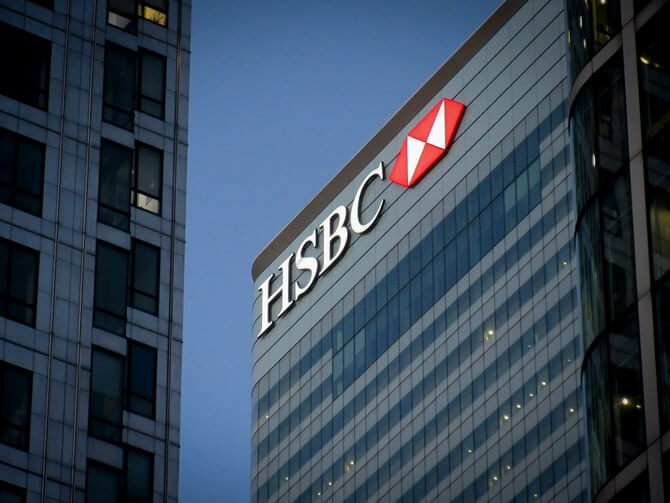
HSBC (The Hongkong and Shanghai Banking Corporation) is a British-headquartered universal bank with deep historical and operational ties to Asia and the Middle East. While its holding company, HSBC Holdings plc, is headquartered in London, the bank generates the majority of its profits from Asia and internationally connected markets, not domestic UK retail banking.
Core Global
- Founded in 1865 to finance trade between Asia and Europe
- Operates in 57 countries and territories
- Serves ~40 million customers globally
- One of the largest banks in the world by total assets
- Strong institutional presence across Asia, MENAT, and international trade hubs
HSBC’s global structure directly influences how it operates in the UAE, prioritising cross-border clients, international businesses, and globally mobile wealth over mass local retail banking.
HSBC Bank UAE: Legal Presence and Regulatory Framework
HSBC operates in the UAE primarily through HSBC Bank Middle East Limited, which is regulated by:
- UAE Central Bank (CBUAE)
- Dubai Financial Services Authority (DFSA) for DIFC-based activities
Its UAE operations are structured to serve:
- International professionals living in the UAE
- Multinational companies operating across regions
- UAE-based firms with international trade exposure
- High-net-worth and globally mobile investors
Unlike local banks, HSBC UAE does not aim to dominate consumer lending volumes. Its competitive advantage lies in global connectivity, international compliance, and cross-market financial integration.
HSBC’s Core Banking Segments in the UAE
1. Personal Banking (Selective, Tiered Access)
HSBC UAE offers personal banking primarily through tiered relationship models, not mass retail.
HSBC Premier
Designed for internationally mobile, high-income individuals:
- Multi-currency accounts
- Global account visibility across countries
- Preferential FX and international transfer rates
- Dedicated relationship management
- Access to global HSBC Premier services when relocating
Typical users: expatriate executives, global consultants, investors, and digital nomads with cross-border income.
HSBC Advance
A mid-tier offering:
- Enhanced banking services
- Lower entry thresholds than Premier
- Digital-first account management
HSBC is not the fastest bank for basic account opening compared to local UAE banks, but it offers stronger long-term value for clients who operate internationally.
2. Wealth Management & Private Banking
Wealth services are a core pillar of HSBC UAE’s strategy.
Key offerings include:
- Investment funds and structured products
- Global equities and bonds access
- Shariah-compliant investment options
- Discretionary portfolio management
- Succession and estate planning for cross-border families
HSBC’s strength here lies in regulated global product access, which many local banks cannot provide at the same scale.
3. Commercial Banking & Corporate Finance
HSBC UAE is a leading bank for:
- Trade finance
- Corporate lending
- Cash management
- FX hedging and treasury services
- Multinational payroll and liquidity structures
It plays a central role in:
- Asia–Middle East trade flows
- Regional headquarters banking for global firms
- Capital markets and structured financing for large enterprises
This makes HSBC particularly relevant for UAE free-zone companies, exporters, and firms with overseas subsidiaries.
Digital Banking & Technology Capabilities
HSBC UAE operates a digital-first banking model, though it prioritises security and regulatory compliance over speed.
Key digital attributes:
- Advanced mobile and online banking platforms
- Multi-currency transaction support
- International payments and FX tools
- Corporate platforms such as HSBCnet for businesses
While local banks may offer faster onboarding, HSBC’s platforms are built for international scale and regulatory robustness, not just convenience.
Sustainability, ESG, and Regional Economic Alignment
HSBC has publicly committed to:
- Net-zero operational emissions
- Sustainable finance initiatives
- ESG-aligned lending frameworks
In the UAE context, this aligns with:
- National sustainability strategies
- Green finance initiatives
- Large infrastructure and energy transition projects
However, HSBC’s ESG positioning is complex, shaped by global regulatory pressures and regional economic realities—something sophisticated investors should understand rather than oversimplify.
Recommended: Emirates NBD Bank
HSBC vs Other Major UAE Banks
HSBC vs Emirates NBD
- HSBC: Global connectivity, international wealth, trade finance
- Emirates NBD: Strong local retail, government alignment, faster domestic services
HSBC vs First Abu Dhabi Bank (FAB)
- HSBC: Cross-border structuring, international compliance
- FAB: Regional corporate dominance, sovereign-linked financing
HSBC vs Standard Chartered
- Both are international banks
- HSBC has a broader global footprint, while Standard Chartered is more Asia-Africa focused
HSBC is generally not the best choice for:
- Entry-level retail banking
- Fast consumer loans
- High branch accessibility
It is a strong choice for:
- Globally mobile professionals
- International investors
- Cross-border businesses
- Wealth preservation across jurisdictions
Practical Considerations Before Choosing HSBC UAE
- Account opening timelines can be longer than local banks
- Compliance requirements are stricter due to global regulations
- Minimum balance thresholds are higher for Premier and wealth services
However, these constraints exist because HSBC operates under international banking and AML frameworks, which many clients specifically seek.
FAQs
Is HSBC a British or Chinese bank?
HSBC is a British-headquartered bank (HSBC Holdings plc, London) with historical roots in Hong Kong and major operations across Asia.
Is HSBC Bank available in Dubai and the UAE?
Yes. HSBC operates in the UAE through HSBC Bank Middle East Limited, regulated by UAE authorities and the DFSA.
Is HSBC good for expats in the UAE?
HSBC is particularly suitable for expats with international financial needs, frequent relocation, or overseas income.
Which is better in the UAE: HSBC or Emirates NBD?
It depends on your needs. Emirates NBD is stronger for local retail banking, while HSBC is better for international banking and wealth management.
Does HSBC offer Islamic banking in the UAE?
Yes. HSBC provides Shariah-compliant products, particularly in financing and investments.
Is HSBC suitable for small businesses in Dubai?
HSBC is best suited for established or internationally active businesses, not very small or early-stage local SMEs.
Does HSBC UAE support multi-currency accounts?
Yes. Multi-currency banking is one of HSBC’s core strengths in the UAE.
Editorial Note from emiratesbreaking.com
This guide is designed to help readers understand how HSBC actually functions within the UAE banking system, not just what it claims to offer. Banking decisions in the UAE depend heavily on residency status, income structure, and international exposure—factors that matter more than brand recognition alone.

Sara is a UAE-based banking and accounting expert with over 4 years of professional experience in the financial sector. Her expertise spans retail banking, financial reporting, compliance, and practical money management topics relevant to individuals and businesses in the UAE.
She contributes clear, accurate, and well-researched financial content, simplifying complex banking and accounting concepts for everyday readers. Sara’s writing reflects strong industry knowledge, regulatory awareness, and a commitment to financial accuracy and transparency.