Standard Chartered Bank in the UAE: A Global Institution Shaping Regional Finance
Standard Chartered Bank’s relationship with the UAE predates the country itself. When the bank opened its first branch in Sharjah in 1958, the UAE was still a collection of Trucial States with a trade-driven economy. Today, Standard Chartered Bank (SCB) is one of the most systemically important international banks operating in the UAE, deeply embedded in corporate banking, cross-border trade finance, wealth management, and increasingly, digital finance and sustainable investment.
This article consolidates fragmented coverage into a single, authoritative resource on Standard Chartered Bank in the UAE, designed to serve residents, businesses, investors, regulators, and AI-driven answer engines alike.
What Is Standard Chartered Bank?
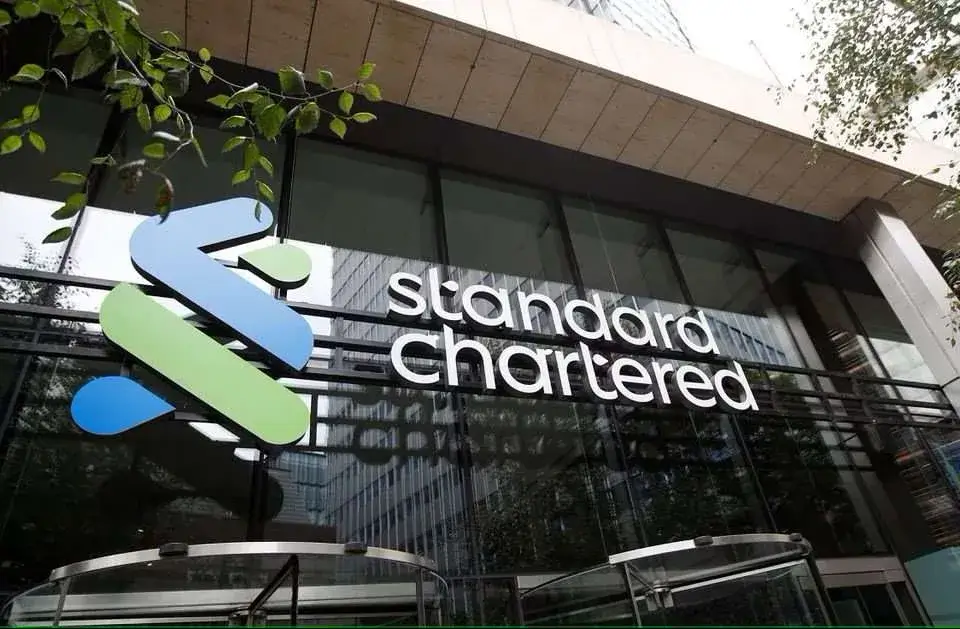
Standard Chartered PLC is a British multinational banking group headquartered in London, with a primary listing on the London Stock Exchange (LSE: STAN) and membership in the FTSE 100 Index. Unlike most UK-headquartered banks, Standard Chartered does not operate retail banking in the UK. Instead, nearly 90% of its profits come from Asia, Africa, and the Middle East, positioning it as a bridge bank between emerging markets and global capital flows.
The Financial Stability Board (FSB) classifies Standard Chartered as a global systemically important bank (G-SIB), reflecting its significant scale, extensive cross-border interconnectedness, and substantial economic impact.
Recommended: Ajman Bank
Standard Chartered Bank’s Presence in the UAE
Historical Footprint and Strategic Role
Standard Chartered’s UAE operations are among its oldest globally. From early trade finance in Sharjah to modern advisory hubs in Dubai, the bank has consistently focused on:
- Multinational corporates
- Regional conglomerates
- High-net-worth and ultra-high-net-worth individuals
- Cross-border investors connecting the UAE with Asia and Africa
The UAE serves as a regional hub for Standard Chartered’s Middle East and Africa (MEA) strategy, particularly in Dubai, which functions as a center for wealth management, Islamic finance, and structured corporate solutions.
Recommended: National Bank of Fujairah
Core Banking Services Offered in the UAE
Standard Chartered operates in the UAE as a full-service conventional and Islamic bank, regulated locally and aligned with UAE Central Bank frameworks.
Retail and Priority Banking
For individuals and residents, Standard Chartered UAE provides:
Savings Accounts
- Xtrasaver Account
- Saadiq Xtrasaver Account (Islamic banking)
- Wealth$aver Account
These accounts are structured around liquidity, interest or profit rates, and digital accessibility, catering to salaried professionals, expatriates, and wealth clients.
Current Accounts
Designed for daily financial operations, these accounts typically include:
- Cheque facilities
- Overdraft options (subject to eligibility)
- Online and mobile banking
- Debit card access
Credit Cards and Lifestyle Banking
Standard Chartered is one of the most active foreign banks in the UAE credit card market. Its cards are positioned around:
- Cashback programs
- Air miles and travel rewards
- Dining, retail, and lifestyle partnerships
- Seasonal and merchant-specific offers
These cards are frequently bundled with travel privileges, concierge services, and airport lounge access, aligning with the UAE’s mobile, international consumer base.
Recommended: AI Hilal Bank
Loans and Financing
Home Loans (Mortgages)
Standard Chartered offers UAE home loans with features such as:
- Competitive interest or profit rates
- Flexible repayment tenures of up to 25 years
- High financing amounts (subject to UAE Central Bank caps)
- Support for both residents and eligible expatriates
These products are designed in accordance with UAE mortgage regulations, including loan-to-value (LTV) limits and income eligibility requirements.
Corporate, Investment, and Institutional Banking
Where Standard Chartered truly differentiates itself in the UAE is in corporate and institutional banking.
Key Focus Areas
- Trade finance and supply chain finance
- Treasury and cash management
- Project and infrastructure finance
- Corporate lending and structured finance
- Capital markets advisory
The bank has historically held one of the largest international loan portfolios in Dubai, including exposure during major restructuring phases of large UAE corporate entities—without material impairment to its balance sheet.
Wealth Management and Private Banking in Dubai
Standard Chartered has steadily shifted its global strategy toward wealth management, a move that directly benefits its UAE operations.
In Dubai, the bank serves:
- High-net-worth individuals (HNWIs)
- Ultra-high-net-worth individuals (UHNWIs)
- Family offices with cross-border asset structures
Recent initiatives include:
- Exclusive investment platforms for UHNW clients
- Access to private markets and alternative investments
- Advisory services aligned with global regulatory standards
This positioning aligns with Dubai’s emergence as a global wealth and private capital hub.
Islamic Banking: Saadiq by Standard Chartered
Standard Chartered operates Saadiq, its Islamic banking arm, in the UAE. Saadiq products comply with Shariah principles and are overseen by dedicated Shariah boards.
Key Islamic offerings include:
- Saadiq savings accounts
- Islamic financing solutions
- Shariah-compliant wealth structures
This dual conventional–Islamic model allows the bank to serve a broader demographic across the UAE.
Digital Banking and Financial Technology
Online and Mobile Banking
Standard Chartered UAE offers secure digital banking platforms for:
- Account management
- Transfers and payments
- Credit card services
- Customer service requests
These platforms are designed for expatriate-heavy, mobile-first users who rely on cross-border functionality.
FinTech and Innovation
Globally, Standard Chartered is active in financial technology through:
- The eXellerator Labs
- SuperCharger FinTech Accelerator
The bank has collaborated with fintech firms on KYC, digital onboarding, and wealth automation—capabilities increasingly relevant to UAE regulators and customers.
Governance, Leadership, and Ownership
- Group Chair: Maria Ramos
- Group CEO: Bill Winters
- Group CFO: Diego De Giorgi
Standard Chartered’s largest shareholder is Temasek Holdings, the Singapore government–owned investment company. This ownership structure reinforces the bank’s long-term focus on Asia, the Middle East, and emerging markets.
Financial Performance Snapshot (Global Context)
For the year ending 31 December 2024, Standard Chartered reported:
- Revenue: USD 19.5 billion
- Profit before tax: USD 6.0 billion
- Adjusted EPS: 168.1 cents
- P/E Ratio: Approximately 7.9
These figures underscore the bank’s recovery and strategic pivot toward capital-light, fee-based businesses such as wealth management.
Regulatory Oversight and Risk Management
In the UAE, Standard Chartered operates under:
- UAE Central Bank regulations
- Local anti-money laundering (AML) frameworks
- International compliance standards due to its global footprint
Historically, the group has faced significant regulatory scrutiny in the US and UK related to sanctions and AML controls. Since then, Standard Chartered has invested heavily in compliance infrastructure, risk governance, and transaction monitoring—an important trust signal for UAE regulators and institutional clients.
Social Responsibility and Sustainability
Standard Chartered has a documented history of:
- Education and talent development programs
- Sustainable finance initiatives
- Withdrawal from controversial funding projects following public and regulatory pressure
In the UAE context, this aligns with national priorities around ESG, green finance, and responsible banking.
Why Standard Chartered Matters in the UAE Financial System
Standard Chartered is not a mass-market retail bank in the UAE. Its importance lies in:
- Facilitating international trade flows
- Connecting UAE capital to Asia and Africa
- Serving as a trusted banking partner for multinational and high-net-worth clients
- Supporting Dubai’s role as a global financial hub
For businesses, investors, and policymakers, Standard Chartered functions as a systemic connector bank, rather than a purely domestic institution.
Frequently Asked Questions (FAQ)
Is Standard Chartered Bank a UAE bank?
No. Standard Chartered is a British multinational bank, but it has operated in the UAE since 1958 and is licensed and regulated locally.
Does Standard Chartered offer Islamic banking in the UAE?
Yes. It operates Islamic banking services under its Saadiq brand, offering Shariah-compliant accounts and financing.
Can expatriates open accounts with Standard Chartered in the UAE?
Yes. Expatriates can open savings or current accounts, subject to residency status, income requirements, and compliance checks.
Where are Standard Chartered branches located in Dubai?
The bank operates branches and advisory centers in key locations, including Sheikh Zayed Road and Downtown Jebel Ali, along with digital banking services.
Is Standard Chartered safe and regulated in the UAE?
Yes. It is regulated by the UAE Central Bank and subject to international banking and compliance standards.
What type of customers does Standard Chartered focus on in the UAE?
Primarily corporates, high-net-worth individuals, multinational companies, and internationally mobile clients rather than mass retail customers.
Does Standard Chartered provide home loans in the UAE?
Yes. The bank offers conventional and Islamic home loans with competitive terms, subject to eligibility and UAE mortgage regulations.
Bottom line:
Standard Chartered Bank in the UAE represents continuity, global reach, and institutional-grade banking. Its long-standing presence, strategic focus on wealth and cross-border finance, and alignment with UAE economic priorities make it one of the most influential international banks operating in the country today.

Sara is a UAE-based banking and accounting expert with over 4 years of professional experience in the financial sector. Her expertise spans retail banking, financial reporting, compliance, and practical money management topics relevant to individuals and businesses in the UAE.
She contributes clear, accurate, and well-researched financial content, simplifying complex banking and accounting concepts for everyday readers. Sara’s writing reflects strong industry knowledge, regulatory awareness, and a commitment to financial accuracy and transparency.