
How to Get a Credit Card for 3500 Salary or Below in UAE? Complete Guide
A harsh reality many residents discover only after applying: most UAE banks automatically reject credit card applications below AED 5,000 salary – not because of paperwork, but because of internal risk scoring.
That single rule quietly blocks thousands of workers, freelancers, and entry-level employees from accessing formal credit.
- Yet, being below AED 3,500 does not mean you’re financially excluded.
- It simply means you must approach credit differently.
This guide breaks down what actually happens inside banks, what options still exist, and how you can realistically qualify – without wasting applications or hurting your credit profile.
Understanding Credit Card Eligibility in the UAE

Before discussing “which card,” it’s important to understand why salary matters so much in the first place.
Banks evaluate three core elements when issuing unsecured cards:
- Stable income
- Repayment capacity
- Default risk
Lower income statistically increases repayment risk. To manage this, most banks enforce a minimum salary threshold as a first filter.
In the UAE market today:
- Premium cards → AED 15,000–25,000+
- Standard cards → AED 8,000–10,000+
- Entry-level cards → AED 5,000 minimum
- Below AED 3,500 → usually declined automatically
This is not a regulation from the Central Bank.
It’s a bank-level lending policy used by institutions such as Emirates NBD, ADCB, FAB, HSBC, and Citibank.
So the issue isn’t documentation – it’s risk assessment.
Recommended: Top 10 Best Travel Credit Card
Can You Get a Credit Card with AED 3,500 Salary in the UAE?
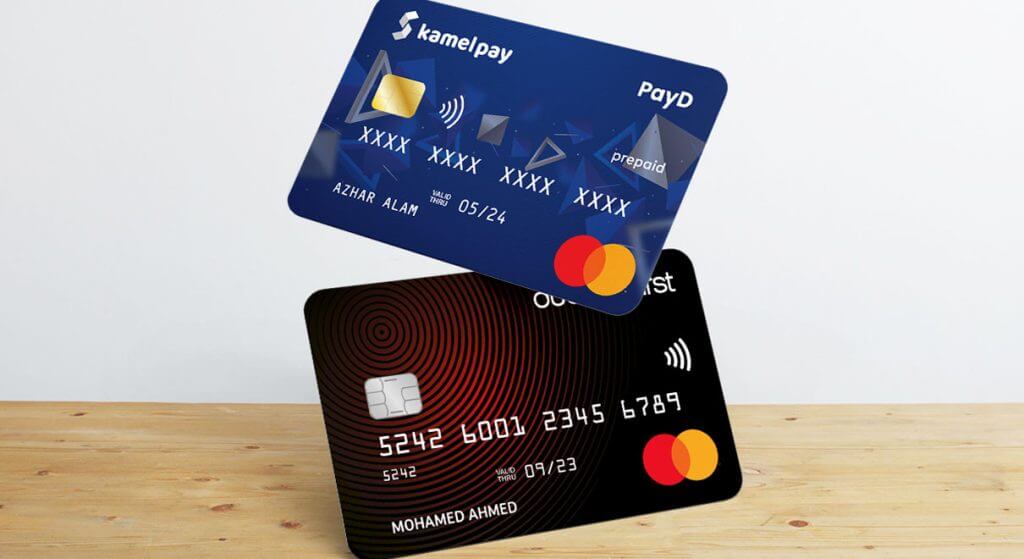
For a standard unsecured credit card, the answer is:
No, approval is extremely unlikely.
Major banks typically set AED 5,000 as the baseline. Applications below that are often rejected before full review.
However, two practical pathways still exist:
- Secured (deposit-backed) cards
- Digital or prepaid financial products
These alternatives provide many of the same benefits – payments, online shopping, subscriptions, travel bookings – without traditional credit risk.
Top 10 Credit Card Options (or Workarounds) for AED 3,500 Salary in UAE
1. Secured Credit Card – Bank Fixed Deposit Card
Overview & Criteria:
Many UAE banks allow you to secure a credit card with a fixed deposit when income doesn’t meet the minimum (≈ AED 5,000). You place cash as collateral, and the bank issues a card against it.
Benefits: This functions like a normal credit card, builds credit history, and often includes contactless payments, online purchases, and rewards depending on the bank.
How to Apply: Visit your bank branch, ask for a secured card product, open a fixed deposit (often AED 5,000–10,000), and submit ID + passport + deposit documents.
Recommended: Top 10 Best Credit Cards for Flight Miles
2. Prepaid Credit/Debit Cards
Overview & Criteria:
Digital wallets and prepaid cards (e.g., Careem Pay, e& money, Al Maryah Community Bank) don’t require a minimum salary. They act like credit cards for payments but draw funds from a pre-loaded balance.
Benefits: No salary screening, quick setup, and online payment enabled.
How to Apply: Download the wallet app → verify Emirates ID → top up funds → get virtual/physical prepaid card.
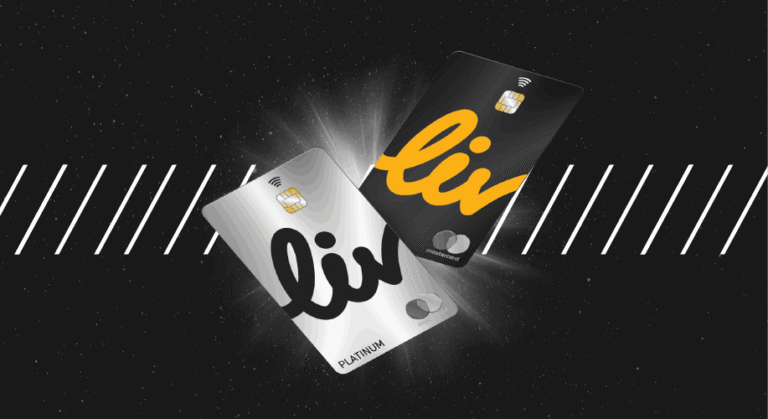
3. Digital Banking Global Cards (e.g., Wio, Liv. Neon)
Overview & Criteria:
Some digital banks in the UAE offer card-like products tied to accounts rather than credit, often with lower eligibility barriers.
Benefits: Spends like a credit card, sometimes with rewards, no minimum salary.
How to Apply: Open the digital account online with your Emirates ID and visa.
4. Emirates NBD Noon One Credit Card (Entry-Level)
Overview & Criteria:
While officially requiring higher income, anecdotal reports suggest new residents may receive this card with lower documented salary by building a banking relationship.
Benefits:
Rewards points, online offers, and basic perks.
How to Apply:
Open an Emirates NBD account → receive card offer with salary credit history.
5. HSBC Basic / Zero Card with Salary Transfer
Overview & Criteria:
HSBC offers entry-level products generally starting at AED 5,000 salary, but with salary transfer and multiple income proof, exceptions occur.
Benefits: No annual fee + balance transfer options.
How to Apply: Open an HSBC account, transfer salary via WPS → apply with salary documentation.
6. Digital Installment Plans via ICP & Government-Linked Credit Plans
Overview & Criteria:
Recently, the UAE government enabled installment payments on ICP service fees using credit cards, indicating broader access to payment flexibility. While not a credit card itself, this illustrates inclusive financing trends.
Benefits: Interest-free installments on government fees.
How to Use: Pay service fees online and select the installment option with an eligible card.
7. Co-Branded or Retail Cards with Partner Deposits
Overview & Criteria:
Some retail or co-branded cards let you secure a card via partnership purchases or deposits (Lulu, Talabat-linked products) once you show spending behavior even on debit or prepaid.
Benefits: Rewards tailored to lifestyle spends.
How to Apply: Sign up through partner loyalty programs, attach prepaid/debit history.
8. Family / Supplementary Card on Someone Else’s Account
Overview & Criteria:
If a family member has a credit card, they can add you as a supplementary user.
Benefits: You get a card and a billing record on a strong profile, aiding future approvals.
How to Apply: The primary holder requests a supplementary card with your ID.
9. Secure Trade-Linked Cards for Business Owners
Overview & Criteria:
If you own a business, some banks issue cards based on trade licence and business cash flow instead of personal salary.
Benefits: Card tied to commercial activities rather than individual salary.
How to Apply: Submit trade licence, business bank statements, and owner ID at business banking.
10. Credit Builder Products from Fintech Platforms
Overview & Criteria:
Emerging fintechs (e.g., Buy Now Pay Later apps) provide short-term credit lines akin to credit cards, often accessible at lower or flexible income proof.
Benefits: Flexible, installment-based purchasing with lower entry barriers.
How to Apply: Sign up via the platform app, complete KYC.
Professional Criteria Used to Curate This List
To make this list useful for someone on AED 3,500 salary in the UAE, products and pathways were selected based on:
1. Salary Flexibility
Focused on cards or alternatives that either don’t enforce the standard AED 5,000 minimum or have workarounds like fixed deposits.
2. Accessibility
Clear documentation paths, low eligibility friction, and digital onboarding options were prioritized.
3. Practical Utility
Selected methods must deliver near-credit-card usability — online spends, recurring bills, travel bookings, or rewards.
4. Cost Transparency
Cards or options with low to zero annual fees and predictable costs were prioritized.
Benefits Across These Options
Even if your salary is AED 3,500, these paths deliver value:
- Build credit history — especially secured cards or supplementary cards.
- Online & global spending — prepaids and digital banking cards.
- Rewards & cashback — where available, including retail and partner perks.
- Installment choices — on services like government fees or BNPL platforms.
- Lower approval barriers — tailored for mid-income and early career workers.
Step-by-Step Application Method (Professional Guide)
Step 1: Identify Your Category
Are you:
- A salaried employee with proof via WPS?
- Working freelance or multiple incomes?
- A business owner?
- Planning to use secured products?
Step 2: Prepare Your Documents
Common requirements include:
- Valid Emirates ID
- Passport and visa page
- Salary certificate / WPS payslips
- 3–6 months bank statements
- Fixed deposit confirmation (if secured)
Step 3: Choose the Right Path
Use the decision tree:
- If no salary qualification → go secured or prepaid.
- If near AED 5,000 → strengthen income evidence (allowances, WPS).
- If business owner → apply with trade licence.
Step 4: Apply Strategically
Submit to:
- Your primary bank (salary account)
- Secondary provider as backup
- Digital bank or fintech (for fast onboarding)
Step 5: Maintain Responsible Use
- Pay in full monthly to avoid high interest
- Keep credit utilization below 30%
- Build a positive repayment record
Why Banks Set AED 5,000 as the Minimum Salary
This threshold didn’t appear randomly. It reflects:
- Average living costs in UAE cities
- Rent-to-income ratios
- Historical default rates
- Responsible lending guidelines
When someone earns AED 3,500, a large portion already goes to:
- Accommodation
- Transport
- Utilities
- Remittances
Banks assume there’s limited disposable income left to repay revolving debt.
Because credit cards carry high interest (often 30–40% annually), lenders avoid issuing unsecured credit where repayment stress is likely.
Workable Options If Your Salary Is AED 3,500 or Below
1. Secured Credit Cards (Fixed Deposit–Backed)
This is the most realistic and bank-approved solution.
You place a fixed deposit (for example AED 5,000–10,000).
The bank then issues a credit card against that amount.
Your deposit acts as collateral.
This removes risk for the bank and makes approval much easier, regardless of salary.
Key characteristics:
- High approval probability
- Credit limit equals deposit (or 80–90% of it)
- Helps build credit history
- Works like a normal credit card
Several UAE banks offer secured options upon request, even if they don’t actively advertise them.
This is often the best first step for new-to-credit residents.
2. Prepaid & Digital Wallet Cards
If you mainly need:
- Online shopping
- Utility payments
- Subscriptions
- Local transactions
You may not even need credit.
Digital wallets and prepaid cards linked to stored balance offer similar convenience without debt.
Examples include:
- e& money
- Careem Pay
- Al Maryah Community Bank accounts
- Prepaid debit cards from local banks
These don’t require minimum salaries and involve minimal approval checks.
For budgeting and safety, many users actually prefer them.
3. Increase Documented Income Before Applying
If you are close to AED 5,000, combining or documenting additional income can help.
Banks may consider:
- Overtime
- Commission
- Housing allowance
- Secondary freelance income
- Salary transfer to the same bank
A formal salary certificate showing higher total compensation can move you into eligibility range.
Documents Required When You Do Qualify
Once you meet a bank’s minimum income, expect standard paperwork.
Typically required:
- Emirates ID
- Passport copy with visa page
- Salary certificate
- 3–6 months bank statements
- Security cheque
- Trade licence (for self-employed applicants)
Each bank may adjust slightly, but this is the common baseline across the UAE.
Costs and Risks You Should Understand First
Getting approved is only step one.
Low-income cardholders face higher financial risk if balances aren’t cleared monthly.
Typical charges include:
- Interest: 2.5–3.5% monthly
- Late fees
- Cash advance fees
- Over-limit penalties
If you only pay the 5% minimum, the remaining balance compounds fast.
For someone earning AED 3,500, this can spiral quickly.
A safer approach is to treat the card like a debit card – spend only what you can repay immediately.
When You Reach AED 5,000 Salary: Entry-Level Cards to Consider
Once eligible, several basic options become accessible.
Common starter cards in the UAE offer:
- No annual fee
- Cashback on groceries and fuel
- Simple approval criteria
- Basic limits
You can explore detailed comparisons and benefit breakdowns on EmiratesBreaking.com’s guides, such as:
- beginner cashback card comparisons
- how to check bank balance online
- understanding debt burden ratio rules
These resources help you choose responsibly rather than chasing flashy rewards.
Smart Strategy for Low-Salary Earners
Instead of rushing to apply, consider this phased plan:
Start with a secured card → build 6–12 months history → maintain full payments → increase income → upgrade to unsecured card.
This improves approval odds and often qualifies you for better limits and perks.
Credit is a long game, not a one-time application.
Economic Context: Why This Matters in the UAE
The UAE’s consumer finance system is strongly linked to:
- salary transfers
- bank risk scoring
- regulated lending practices
Unlike some countries, credit isn’t widely issued without documented income.
This protects both banks and residents from over-indebtedness.
Understanding this structure helps you work with the system instead of fighting it.
Conclusion
If you earn AED 3,500 or below, traditional credit cards from major banks are realistically out of reach today.
But that doesn’t mean you’re stuck.
Secured cards and prepaid solutions provide nearly identical functionality while helping you build financial credibility safely.
Focus on stability first, eligibility second.
Once your income crosses AED 5,000, many doors open automatically.
Until then, smart alternatives are often the wiser choice.
FAQs
Can I get a normal credit card with AED 3,500 salary in UAE?
Most banks will reject unsecured applications. A secured or deposit-backed card is your best option.
Which banks offer credit cards below AED 5,000 salary?
Standard cards usually start from AED 5,000. Below that, banks may only offer secured cards.
What is a secured credit card?
It’s a card issued against a fixed deposit. Your deposit becomes the limit and guarantees repayment.
Do prepaid cards affect credit score?
No. They don’t build or impact your credit history because there’s no borrowing.
How long should I use a secured card before upgrading?
Typically 6–12 months of on-time payments improves approval chances for unsecured cards.
Is there a minimum age to apply?
Yes. Most banks require applicants to be at least 21 years old.
Can freelancers or self-employed individuals apply?
Yes, but they must show trade licences and consistent bank statements proving income stability.
What happens if I miss a payment?
Late fees, interest charges, and negative credit records may apply, affecting future approvals.

Shahzeen Usman is a full-time content writer based in the UAE, with over 5 years of local experience covering travel, lifestyle, and destination-focused stories. She specializes in creating engaging, research-driven content that highlights hidden gems, cultural insights, and travel trends across the Emirates and beyond.
With a deep understanding of UAE tourism, Shahzeen brings authentic perspectives to her writing, helping readers discover meaningful travel experiences. Her work combines storytelling with SEO best practices, making her content both informative and search-engine friendly.