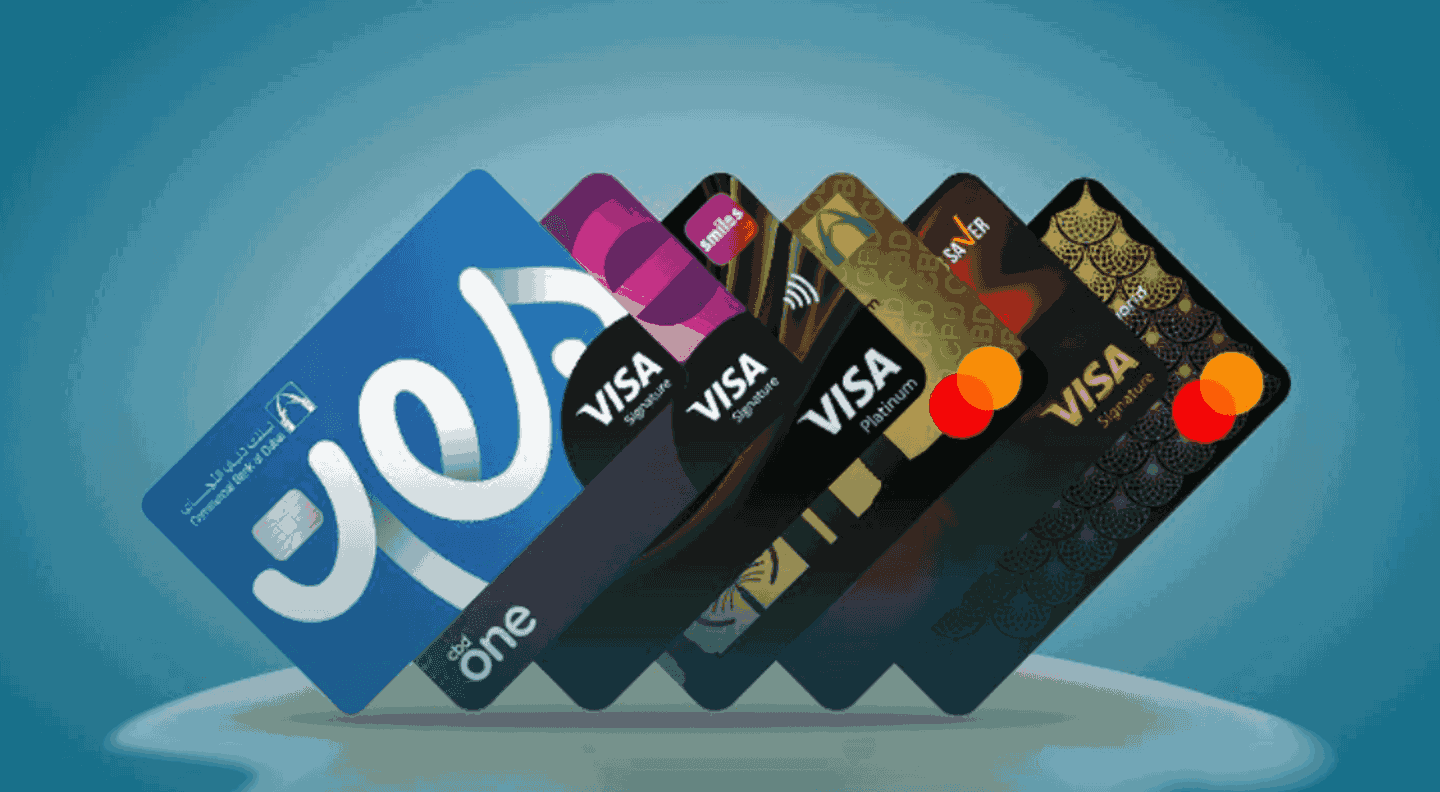
How to Get a Credit Card in UAE on AED 4,000 Salary (2026 Guide)
What’s possible, what’s not, and the smartest alternatives residents actually use.
Walk into most banks in the UAE and ask for a credit card with a AED 4,000 salary and you’ll likely hear the same answer: “Minimum salary is AED 5,000.”
That rule isn’t random. It’s tied to internal risk models, repayment behavior, and national credit reporting standards. Yet here’s the interesting part – thousands of residents earning below AED 5,000 still manage to access credit legally every year. They just don’t do it through the typical path.
If you understand how approvals really work – salary thresholds, secured limits, payroll relationships, and entry-level products – you can structure your application in a way that banks are far more likely to accept.
This guide breaks down exactly how the system works in the UAE, what options exist at AED 4,000 income, and the most practical steps to secure a card without risking rejection or damaging your credit profile.
Top 10 4000 AED Salary Credit Card Options in UAE (Practical Approval Guide)

Earning AED 4,000 per month in the UAE puts you in an awkward middle ground. You’re financially active enough to need a credit card for online payments, travel bookings, and emergencies — but most banks publicly advertise a AED 5,000 minimum salary.
Here’s the reality most comparison websites don’t explain: approvals aren’t only about the printed salary rule. Banks also evaluate payroll history, deposits, risk exposure, and customer relationship value. That’s why many residents below the threshold still get approved every year.
This list focuses on cards and methods that people with AED 4,000 salary can realistically access, either directly or through structured alternatives.
1. Emirates NBD Secured Credit Card (Fixed Deposit–Backed)
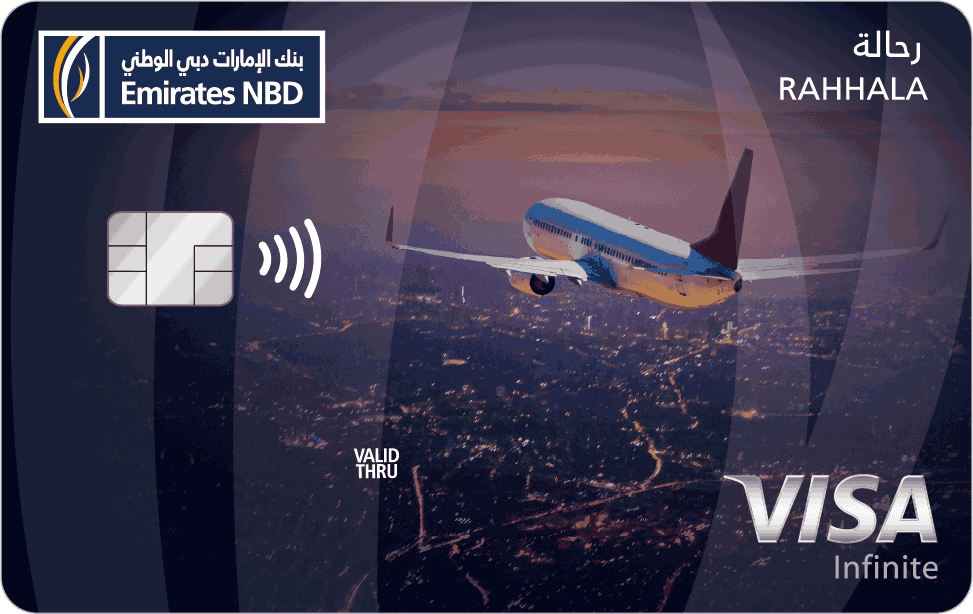
If you want the highest probability of approval, this is the safest starting point. A secured card works by placing your own money into a fixed deposit with the bank. Instead of evaluating your salary heavily, the bank issues a credit limit based on your deposit amount.
For example, if you deposit AED 6,000–10,000, the bank may grant a limit of around 80–90% of that value. Because the bank holds collateral, the risk drops significantly, which makes income less critical. That’s why many lower-income residents use this route to enter the credit system.
The biggest benefit is long-term. You build a proper repayment history, which improves your credit profile and later helps you qualify for normal unsecured cards. Think of this as a stepping stone rather than a compromise.
2. ADCB Payroll-Based Entry Card
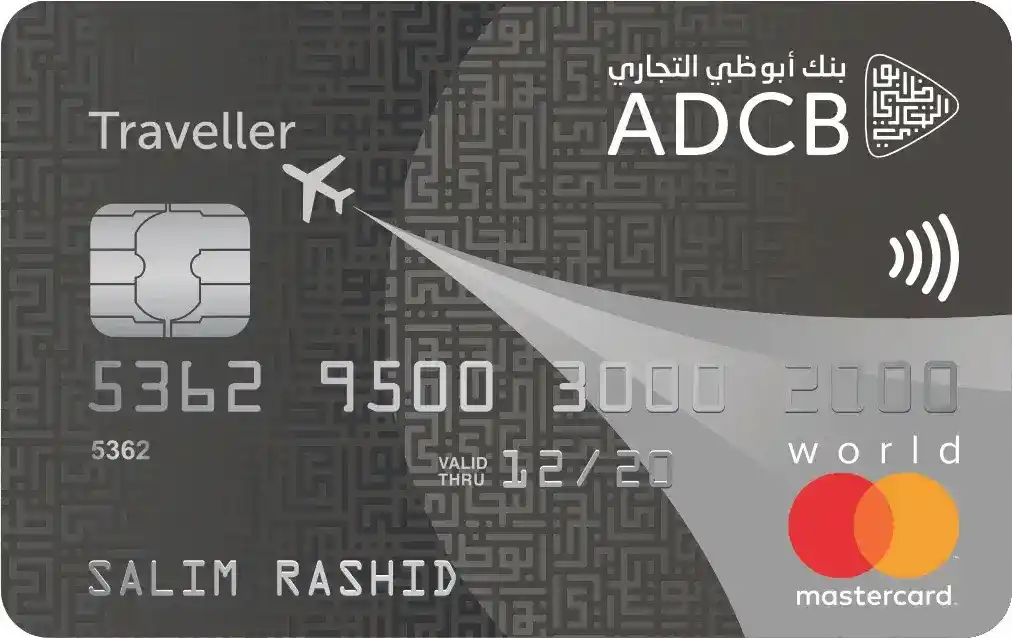
When your salary is transferred directly to ADCB, the bank can monitor your monthly inflow and spending behavior. This inside visibility often gives them more comfort than relying purely on a printed salary certificate.
Payroll customers sometimes receive small-limit starter cards even when they’re slightly below official criteria. These cards may not come with premium perks, but they function like regular credit cards for everyday transactions, online shopping, and bill payments.
If ADCB is your salary bank, visiting the branch and speaking with a relationship officer dramatically improves your chances. In-person payroll-based approvals frequently succeed where online applications fail.
3. CBD (Commercial Bank of Dubai) Digital Cards
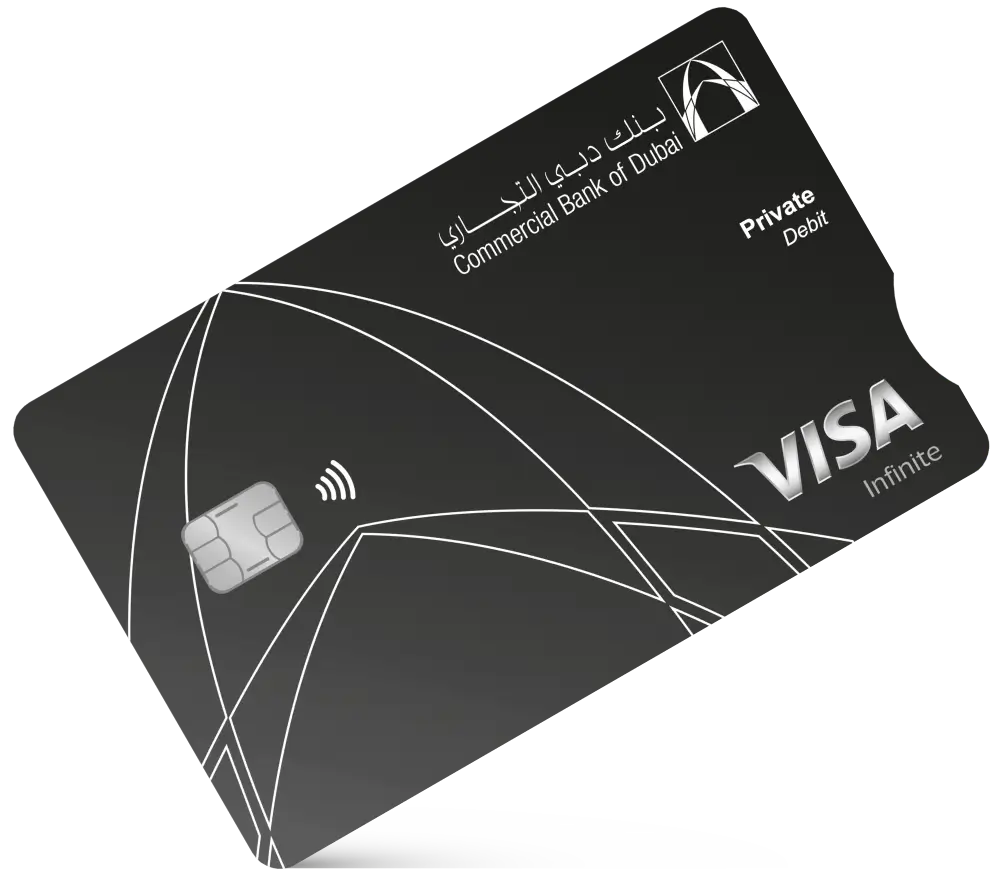
CBD has been actively pushing digital onboarding and simplified credit products. Their application process relies heavily on Emirates ID verification and transaction history rather than heavy paperwork.
For residents with consistent salary flow and stable bank statements, approval can sometimes happen even near the AED 4,000 range. The bank may offer a conservative limit initially, then increase it after a few months of good repayment behaviour.
These cards are particularly attractive for first-time users who want convenience without complicated documentation or high annual fees.
Recommended: How to Get a Credit Card for 3500 Salary
4. Sharjah Islamic Bank Entry-Level Card
Islamic banking products often structure risk differently because they use fee-based models instead of traditional interest. This sometimes allows more flexible entry requirements for lower-income applicants.
Sharjah Islamic Bank has been known to consider applicants with lower income if they show consistent employment and clean banking history. While approval isn’t guaranteed, their minimum thresholds are occasionally more accessible than larger banks.
These cards also appeal to customers who prefer Shariah-compliant financial products, combining ethical structure with practical everyday use.
5. Liv. by Emirates NBD Cashback Card

Liv. operates as a digital-first platform aimed at young professionals and entry-level earners. Because everything runs through the app, onboarding is faster and less documentation-heavy.
Although official salary requirements often say AED 5,000, many users with slightly lower salaries report success when they maintain healthy balances in their Liv. savings accounts. Strong transaction history inside the ecosystem increases trust.
The cashback structure is simple and broad, making it useful for groceries, food delivery, fuel, and everyday lifestyle spending without complicated categories.
6. Emirates Islamic RTA Card
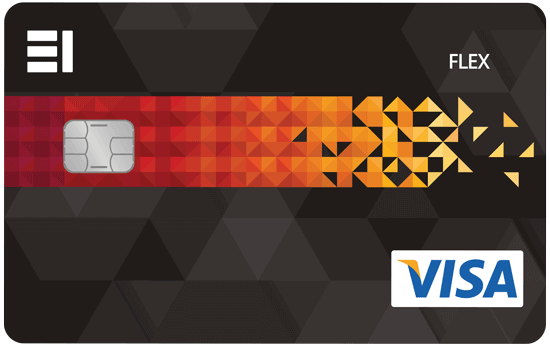
This card is designed for practical daily expenses like fuel, public transport, tolls, and commuting. Because it targets everyday commuters rather than luxury users, the eligibility bar tends to be more reasonable.
If your spending revolves around transport and utility bills, this card provides meaningful value with cashback on those specific categories. For someone earning AED 4,000–5,000, those savings add up faster than travel miles or premium perks.
It’s a good “starter” product for residents who want a functional card without worrying about annual fees or complicated rewards programs.
7. RAKBANK Low-Limit Starter Cards
RAKBANK is known for serving mid-income and first-time borrowers. Their entry-level cards typically focus on simple approvals and moderate limits rather than premium features.
These products work well for customers trying to establish their credit history. Even if you start with a small limit, consistent on-time payments often lead to quick upgrades and limit increases.
For residents just entering the workforce, this path is often easier than applying to larger banks with stricter policies.
8. Supplementary Card (Family Add-On)
If a spouse or close family member qualifies for a main card, you can request a supplementary card under their account. This doesn’t depend on your salary at all.
You receive your own card with your name, but the primary cardholder remains responsible for payments. It’s a legal and widely used method for students, homemakers, and low-income earners.
This option is especially useful if you need a card for travel bookings, subscriptions, or online purchases without waiting to meet salary requirements.
9. Free-for-Life Basic Cashback Cards (When You Cross AED 5,000)
If you’re close to a salary raise, waiting a few months may unlock better choices. Many free-for-life cards become available at AED 5,000 income.
These cards usually offer straightforward cashback, no annual fees, and simple benefits. They’re perfect for long-term everyday use and don’t pressure you with premium spending requirements.
Upgrading to this level often makes more financial sense than forcing approval below eligibility.
10. Buy Now, Pay Later (Short-Term Alternative)
While not technically a credit card, BNPL apps provide small credit lines that mimic card functionality for shopping and bill payments.
These platforms approve users with lower incomes because transactions are smaller and short-term. It can help manage cash flow without formal credit approval.
However, it shouldn’t replace a real credit card for building your credit profile. Treat it as temporary support rather than a permanent solution.
Why UAE Banks Set a AED 5,000 Minimum Salary for Most Cards
Before looking for workarounds, it helps to understand the logic behind the rule.
Credit cards in the UAE are unsecured lending products. There’s no collateral. If a cardholder defaults, the bank absorbs the loss. Because of this, institutions use income as the first filter to measure repayment capacity.
A monthly salary of around AED 5,000 is widely treated as the baseline because it generally covers:
- Rent and utilities
- Transport and fuel
- Food and daily expenses
- Minimum debt repayments
Below that level, default risk statistically rises. So most standard cards – cashback, rewards, travel, or lifestyle cards – are structured with AED 5,000+ salary eligibility.
That’s why many popular options you see advertised across the country list the same number in their requirements.
Can You Get a Credit Card in UAE With AED 4,000 Salary?
Short answer: A regular unsecured credit card is unlikely.
Realistic answer: You still have three legitimate paths.
Most applicants with AED 4,000 income are rejected when they apply for mainstream products. However, banks sometimes approve customers through:
- Secured (deposit-backed) cards
- Salary-transfer relationships
- Select entry-level or digital products
These routes reduce the bank’s risk, which is why approvals become possible.
So the question changes from “Can I get any card?” to “Which structure will a bank approve me under?”
Option 1 – Secured Credit Card (The Most Reliable Method)
If you want near-guaranteed approval, this is the method professionals recommend first.
A secured card works differently from a regular card. Instead of the bank giving you credit purely based on salary, you place money in a fixed deposit. The bank then issues a card with a limit linked to that deposit, usually 80–90%.
For example:
- Deposit: AED 8,000
- Credit limit issued: AED 6,500–7,000
Because the bank holds your funds as security, income requirements become far less strict.
Why this option works well
It gives you:
- Guaranteed or high approval chances
- A real credit card (not prepaid)
- Ability to build a proper credit history
- Access to online payments, bookings, and travel
The only trade-off is that your deposit remains locked while the card is active.
For many residents on AED 4,000 salary, this becomes the smartest long-term strategy because it builds eligibility for future unsecured cards.
Option 2 – Apply Through Your Salary Bank
Banks trust customers whose salaries are credited directly into their accounts every month.
When your employer transfers payroll to a specific bank, that institution can clearly see:
- Salary consistency
- Spending behavior
- Savings patterns
- Overdraft history
Because they already have this data, they sometimes approve lower-limit cards even if you’re slightly under the official threshold.
This isn’t publicly advertised, but internally many banks offer small starter limits to payroll customers with stable accounts.
If your salary is AED 4,000, your first step should always be:
Visit your home branch and ask about:
“Entry-level or payroll-based credit cards.”
Face-to-face applications often succeed where online applications fail.
Option 3 – Digital & Entry-Level Products
Some digital or lifestyle-focused products have simpler underwriting and may consider total account behaviour rather than strict salary requirements.
These are generally:
- Low limits
- Free-for-life
- Basic rewards or cashback
While they don’t always advertise lower income requirements, maintaining a healthy balance and clean transaction history improves acceptance odds.
They’re useful as “starter cards” rather than premium benefits cards.
What happens when you reach an AED 5,000 Salary?
Once your income crosses AED 5,000, options expand significantly. At this level, you can access many mainstream products offering cashback, discounts, and travel perks.
Some widely chosen cards in the UAE include:
Cashback-focused cards
These reward everyday spending such as groceries, fuel, utilities, and telecom bills. They’re popular among families and commuters because savings are direct and predictable.
Free-for-life cards
These remove annual fees completely, making them ideal for first-time cardholders who want flexibility without cost pressure.
Travel and lifestyle cards
These provide airport lounge access, cinema offers, dining deals, and partner discounts across malls and restaurants.
Once eligible, choosing the right card should depend on your spending behavior rather than brand name alone.
Eligibility Requirements You Must Still Meet
Even with the correct salary level, approval isn’t automatic. Banks typically check:
Age above 21 years
Valid residency and identification
Stable employment or business proof
Consistent salary credits
Healthy repayment history
Income alone never guarantees approval. Payment discipline matters just as much.
Documents Usually Required
Applications generally require:
- Emirates ID
- Passport copy with residency visa
- Salary certificate or payslips
- Recent bank statements
- Employment or trade license details
Keeping these updated speeds up approval and avoids delays.
How to Improve Your Approval Chances on AED 4,000 Salary
If you’re close to the threshold, small financial improvements make a big difference.
Maintain at least 3–6 months of clean statements. Avoid returned payments or overdrafts. Keep savings visible in your account. Don’t apply to multiple banks simultaneously, as repeated rejections reduce your credit score.
If possible, negotiate allowances or bonuses to be reflected in your official salary certificate. Even a small documented increase can move you into the eligible range.
Most importantly, avoid agents promising “guaranteed approvals” through altered documents. That can lead to permanent blacklisting and legal issues.
When a Credit Card Actually Makes Sense (And When It Doesn’t)
On AED 4,000 income, a credit card should be used for:
- Emergency expenses
- Online purchases
- Building credit history
- Short-term convenience
It shouldn’t replace cash flow or daily living expenses.
High interest rates can quickly trap low-income users in debt cycles. So treat the card as a tool, not extra income.
Conclusion
A AED 4,000 salary doesn’t automatically disqualify you from accessing credit in the UAE – it simply changes the route.
Regular cards mostly start at AED 5,000, but secured deposits, payroll relationships, and entry-level options still open doors. Start with the bank where your salary is credited or consider a deposit-backed card to build credibility.
Once your income grows, transitioning to better rewards and benefits becomes easy.
Credit access isn’t just about salary – it’s about risk, history, and strategy.
FAQs
Can I get a credit card with AED 4,000 salary in UAE?
Standard unsecured cards are difficult to obtain, but secured or payroll-based cards may still be possible.
What is the minimum salary required for most UAE credit cards?
Most banks require around AED 5,000 monthly income for entry-level unsecured cards.
What is a secured credit card?
It’s a card backed by your own fixed deposit. Your credit limit is based on that deposit amount, making approval easier.
Does applying multiple times hurt approval chances?
Yes. Frequent rejections reduce your credit score and signal higher risk to banks.
Can freelancers or self-employed residents apply?
Yes, but they must provide trade license details and bank statements showing steady income.
Is a credit card safe for low income earners?
Only if used carefully. Paying balances in full each month prevents high interest charges.
How long does approval take?
Typically 2–7 working days after document submission.
Which is better: cashback or rewards cards?
Cashback suits everyday spending. Rewards cards suit travel and lifestyle expenses.

Sara is a UAE-based banking and accounting expert with over 4 years of professional experience in the financial sector. Her expertise spans retail banking, financial reporting, compliance, and practical money management topics relevant to individuals and businesses in the UAE.
She contributes clear, accurate, and well-researched financial content, simplifying complex banking and accounting concepts for everyday readers. Sara’s writing reflects strong industry knowledge, regulatory awareness, and a commitment to financial accuracy and transparency.