Top 10 Best Cashback Credit Cards in UAE 2026 – Maximize Your Savings
A quiet shift is reshaping consumer finance in the UAE: everyday spending has become a measurable source of return. With most transactions now digital and card-based, households are no longer just spending—they are extracting value from routine expenses. Cashback credit cards sit at the center of this transformation, converting unavoidable costs like groceries, fuel, and dining into direct financial returns.
In a market without personal income tax, cashback behaves like a pure rebate. There is no complex valuation, no redemption ambiguity, and no dependency on travel patterns. What you earn is what you keep. Yet, despite this simplicity, the gap between advertised returns and actual earnings can be significant. Understanding that gap—and optimizing around it—is what separates average users from those achieving 3–5% effective returns annually.
This guide reconstructs the entire cashback ecosystem in the UAE for 2026, combining product comparison, behavioral strategy, and financial logic into one unified resource.
Understanding Cashback Credit Cards as a Financial Tool

Cashback credit cards are often misunderstood as reward instruments, but in reality, they function more like spending efficiency tools. Instead of encouraging consumption, they optimize necessary expenses by returning a percentage of what you already spend.
The mechanism is straightforward: a portion of your transaction value is credited back to you, either as statement balance reduction or direct cash. Unlike rewards programs, there is no fluctuation in value. One dirham earned is one dirham received.
However, simplicity at the surface hides structural complexity underneath. Banks design cashback systems using layered conditions-categories, caps, thresholds, and exclusions—that significantly affect actual returns. The real skill lies in navigating these mechanics rather than chasing headline percentages.
Top 10 Best Cashback Credit Cards in UAE
The following selection represents the most competitive cashback credit cards based on return potential, accessibility, and real-world usability.
1. Liv Cashback Credit Card

This card stands out for its simplicity. It offers a flat cashback rate across all transactions without requiring users to track categories. The absence of an annual fee makes it particularly attractive for individuals seeking consistent returns without complexity.
Its structure is ideal for users with diverse spending patterns, where category-based optimization would be difficult to manage. While the cashback rate is moderate, the lack of restrictions ensures predictable outcomes.
2. HSBC Live+ Credit Card
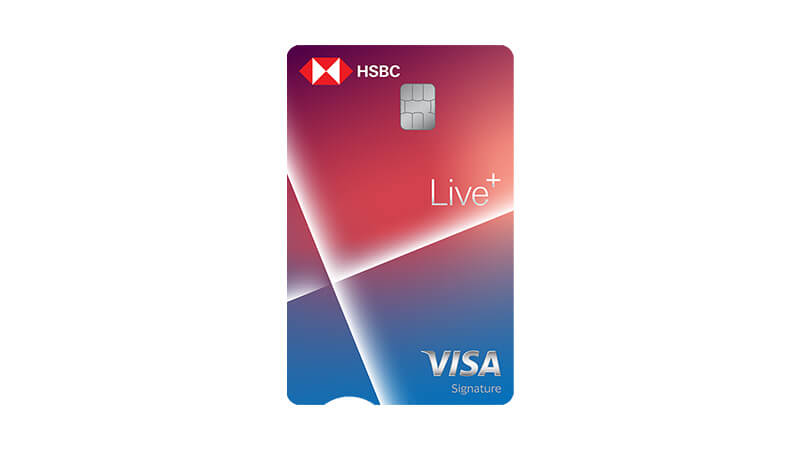
This card is designed for lifestyle spending. It provides elevated cashback on dining and fuel, along with moderate returns on groceries and entertainment.
The inclusion of welcome bonuses and promotional offers enhances its short-term value, while ongoing benefits such as cinema offers and travel-related perks add lifestyle appeal. It performs best for users who spend regularly on dining and leisure.
3. ADCB 365 Cashback Credit Card
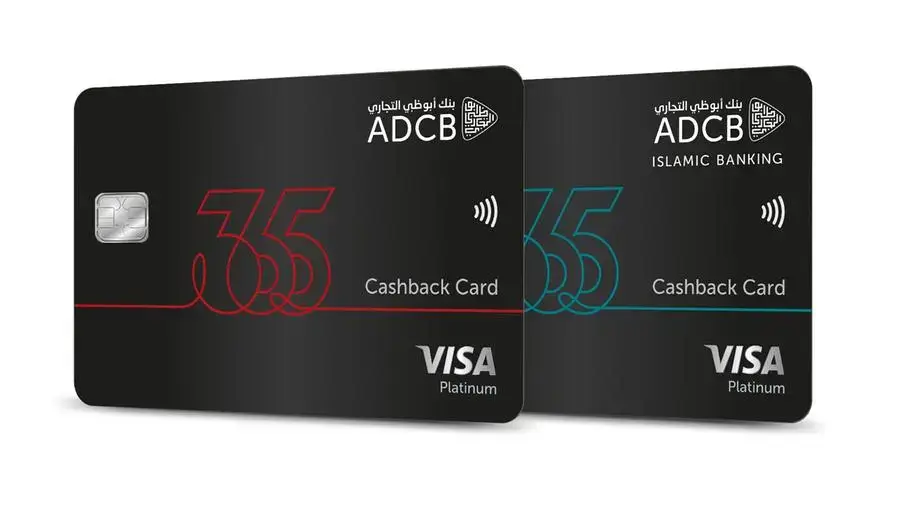
This card offers a balanced approach across essential categories. With strong cashback rates on groceries and consistent returns on everyday spending, it suits households with structured monthly expenses.
Its appeal lies in combining category benefits with relatively high caps, allowing users to sustain returns without hitting limits too quickly. It is particularly effective for families managing recurring costs.
4. Liv Cashback Plus Credit Card
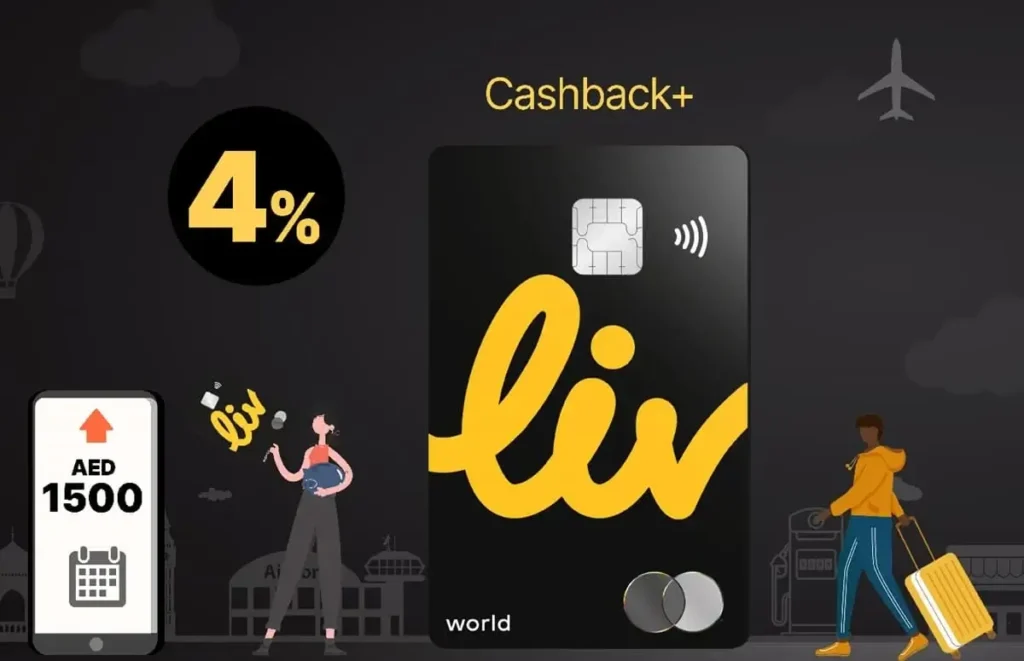
An upgraded version of the standard Liv offering, this card increases cashback rates significantly while introducing a higher earning cap.
Although it carries an annual fee, the increased return potential justifies the cost for users with higher monthly spending. It is best suited for individuals who consistently exceed mid-level spending thresholds.
5. Citi Cashback Credit Card
This card is known for its reliability. It provides cashback across all transactions without imposing strict caps or minimum spend requirements.
Its structure favors users who want stable returns without managing multiple conditions. The inclusion of higher cashback on international spending makes it suitable for frequent travelers or online shoppers.
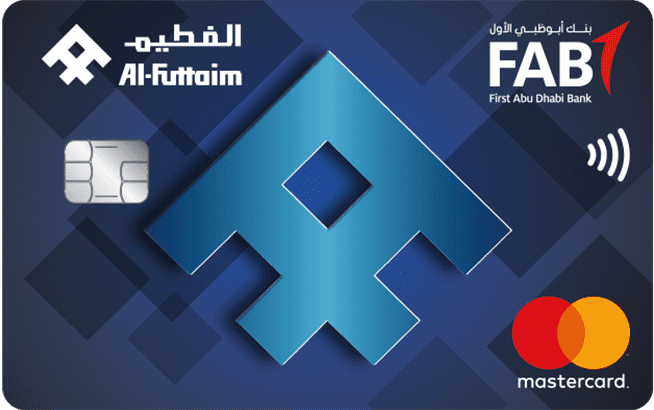
6. FAB Cashback World Credit Card

This card emphasizes everyday lifestyle categories. It offers strong returns on groceries, dining, and fashion spending, combined with additional benefits such as retail discounts.
Its positioning targets users who spend regularly across retail and lifestyle segments, delivering consistent value within those areas.
7. HSBC Cash+ Credit Card
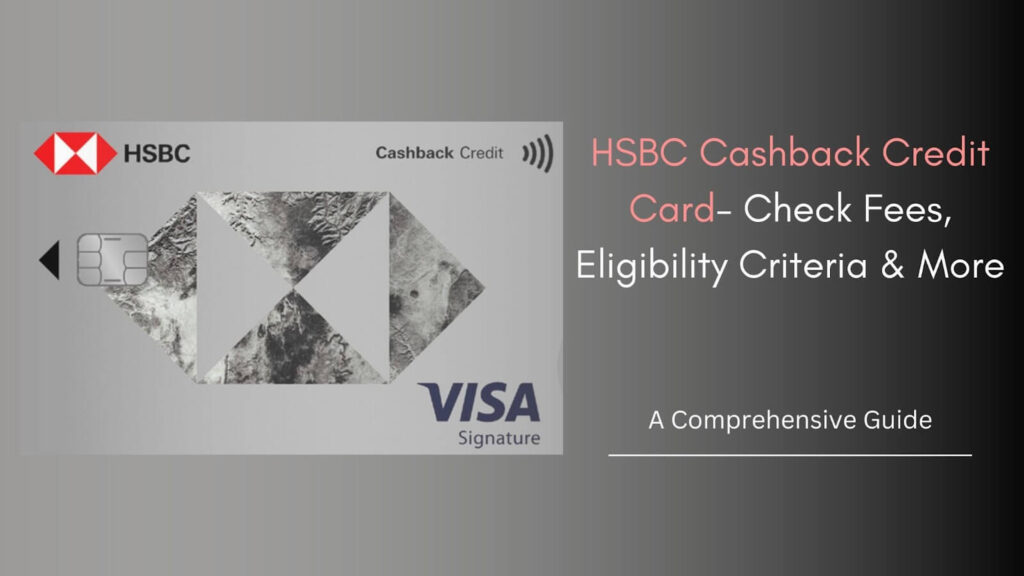
This card focuses on simplicity at scale. It provides a flat cashback rate across all eligible spending, with no caps limiting earnings.
While the minimum income requirement is higher than average, the unlimited structure makes it particularly valuable for high-income users with significant monthly expenses.
8. FAB Du Titanium Credit Card
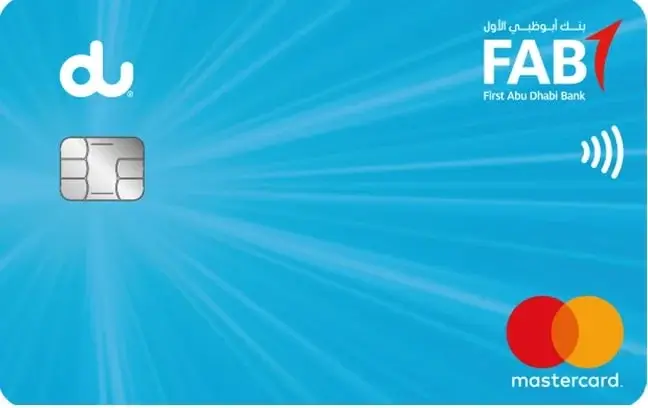
This card is specialized for telecommunications spending. It delivers high cashback rates on mobile and home service bills, making it highly effective for users with substantial telecom expenses.
Although its scope is narrower than general cashback cards, it performs exceptionally well within its targeted category.
9. Dubai First Cashback Card
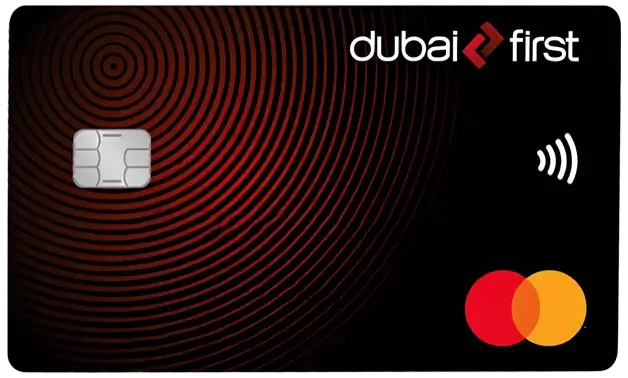
This card combines strong returns on essential categories such as dining, fuel, and groceries with lifestyle benefits.
It strikes a balance between everyday usability and additional perks, making it suitable for users seeking both financial and experiential value.
10. Al Hilal Cashback Credit Card
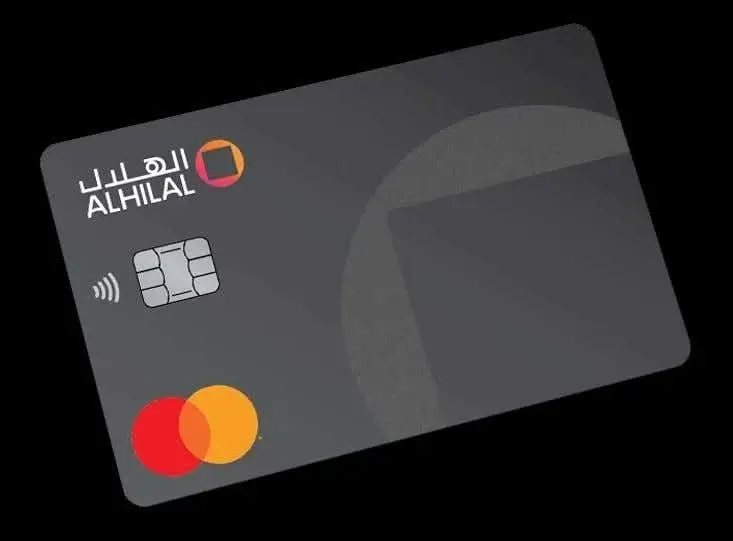
This card introduces flexibility by allowing users to select preferred categories for cashback. This customization enables alignment with individual spending habits.
It also offers fee-free access, making it a strong option for users who want tailored benefits without additional cost.
How Cashback Structures Work in the UAE
Cashback cards in the UAE operate across three primary structures, each suited to different spending behaviors.
Flat-rate cashback cards apply a consistent percentage across all purchases. These are typically low-maintenance and ideal for users who prefer simplicity. Returns usually range between 1% and 2%, with minimal tracking required.
Category-based cashback cards offer higher percentages—often between 3% and 10%—on specific spending categories such as groceries, fuel, or dining. These cards deliver the highest potential returns but require alignment with actual spending patterns.
Tiered cashback cards introduce spending thresholds. The more you spend within a billing cycle, the higher your effective cashback rate becomes. While attractive on paper, these structures often require consistent high spending to unlock full benefits.
Each structure has trade-offs. The highest theoretical return does not always translate into the highest realized return.
The Four Mechanics That Define Real Cashback Value
Category Allocation and Merchant Coding
Cashback eligibility depends on how merchants are classified, not how they appear to the user. Each transaction is assigned a category code, and cashback rates are applied based on that classification.
This means a purchase at a supermarket café might be treated as dining rather than groceries, affecting your cashback rate. Understanding this invisible layer is critical for accurate expectations.
Monthly Cashback Caps
Caps limit the maximum cashback you can earn in each category. A card offering 10% cashback with a cap of AED 200 effectively restricts the benefit once spending exceeds a certain level.
For high-spending households, caps often reduce effective returns from advertised levels. Cards with moderate rates but higher caps frequently outperform high-rate, low-cap alternatives.
Minimum Spend Requirements
Many cards require a minimum monthly spend to activate full cashback rates. Falling below this threshold usually results in significantly reduced returns.
This creates a behavioral condition: consistency matters as much as volume. Missing the threshold even occasionally can lower your annual effective rate.
Interest Impact on Cashback
The most overlooked factor is interest. Credit card interest rates in the UAE are high, and carrying a balance can negate months of cashback earnings.
Cashback only delivers positive value if balances are paid in full every month. Otherwise, the cost of borrowing outweighs the benefit of rewards.
Top 10 Best Cashback Credit Cards in UAE (2026)
The UAE market offers a wide range of cashback cards across traditional banks, digital platforms, and specialized ecosystems. The best options depend on spending behavior rather than headline rates.
High-Return Category Cards
These cards deliver strong returns for users with structured spending habits.
Some cards provide up to 6% on dining, 5% on groceries, and additional returns on fuel and utilities. Others extend benefits across multiple essential categories with higher overall caps, making them suitable for families with consistent monthly expenses.
They are best suited for households spending above AED 8,000 monthly and willing to track categories carefully.
Flat Cashback Cards
Flat-rate cards provide consistent returns without complexity. These typically offer around 1–2% on all transactions with no caps or minimal restrictions.
While they lack the upside of category-based cards, they outperform them in scenarios where spending is fragmented across multiple categories.
These are ideal for individuals who prefer simplicity and predictable returns.
Digital-First Cashback Cards
Newer digital platforms have introduced flat cashback models with fewer restrictions and higher caps. Some offer up to 2% on all spending, combined with app-based tracking and real-time reward visibility.
These cards appeal to users who prioritize ease of use and transparent reward systems over maximum optimization.
Co-Branded Cashback Cards
Certain cards are tied to specific platforms such as food delivery or e-commerce. These offer extremely high cashback rates—sometimes exceeding 20%—but only within their ecosystem.
While not suitable as primary cards, they are highly effective as secondary tools for targeted spending.
Matching Cashback Cards to Spending Behavior
Choosing the right card is less about the product and more about the user.
High-income households benefit from combining multiple cards to maximize category-specific returns. This approach can push effective cashback rates beyond 4%, but requires active management.
Mid-income households often achieve optimal results with one or two cards covering groceries, dining, and general spending. The balance between simplicity and optimization becomes crucial.
Low-spending users should prioritize fee-free cards. At lower spending levels, avoiding annual fees has a greater impact than maximizing cashback rates.
Calculating Your Real Cashback Return
Theoretical returns rarely match actual outcomes. To calculate realistic cashback:
Start by categorizing your monthly spending into key areas such as groceries, dining, fuel, utilities, and general purchases.
Apply the relevant cashback rate to each category, ensuring you account for caps and exclusions. Then subtract the proportional annual fee.
The result is your effective cashback rate.
For most users in the UAE, effective returns range between 1.5% and 4%, depending on spending behavior and card strategy.
Strategic Approaches to Maximize Cashback
Maximizing cashback does not require increased spending. It requires better allocation.
Using multiple cards for different categories can significantly increase returns. For example, one card for groceries, another for dining, and a third for general purchases.
Timing large purchases around promotional offers or sign-up bonuses can further enhance returns.
Consolidating household spending under one account, including supplementary cards, helps reach thresholds and unlock higher benefits.
However, complexity must be managed carefully. The goal is optimization, not overcomplication.
Limitations and Hidden Constraints
Cashback systems are designed with boundaries.
Certain transactions—such as government payments, insurance premiums, and rent—often do not earn cashback. These exclusions can significantly affect overall returns.
Foreign transaction fees can offset cashback on international spending, turning a perceived benefit into a net loss.
Redemption conditions also vary. Some cards credit cashback automatically, while others require manual redemption above a certain threshold.
Understanding these limitations is essential for accurate planning.
Cashback vs Other Credit Card Types
Cashback is not the only reward model available, but it is the most consistent.
Miles-based cards offer higher theoretical value but depend on travel frequency and redemption strategy. Their value can fluctuate, and benefits are often restricted.
Points-based systems provide flexibility but introduce complexity. Conversion rates vary, and unused points can expire.
Cashback, by contrast, offers immediate and predictable value. For most residents, it remains the most practical choice.
Application Requirements and Eligibility
Eligibility for cashback cards varies based on income and employment status.
Entry-level cards typically require a monthly income starting from AED 5,000. Mid-tier cards may require AED 10,000 or more, while premium cards can exceed AED 20,000.
Applicants must provide standard documentation, including identification, proof of income, and bank statements.
Credit history also plays a role. Maintaining a strong repayment record improves approval chances and access to better terms.
Responsible Usage: The Foundation of Cashback Value
Cashback rewards are only meaningful when supported by disciplined financial behavior.
Paying the full balance every month is non-negotiable. Interest charges quickly outweigh any cashback earned.
Tracking spending ensures alignment with category benefits and prevents overspending.
Ultimately, cashback should enhance financial efficiency, not encourage consumption.
Conclusion
Cashback credit cards in the UAE have evolved from simple reward tools into sophisticated financial instruments. They reflect a broader shift toward optimized spending, where every transaction carries potential value.
The best card is not the one with the highest advertised rate, but the one aligned with your spending behavior, financial discipline, and lifestyle.
For most users, a carefully selected combination of one or two cards can generate consistent returns without complexity. For others, a multi-card strategy unlocks higher gains at the cost of management effort.
The principle remains constant: cashback rewards those who spend intelligently, not those who spend more.
FAQs
What is the best cashback credit card in the UAE for 2026?
The best option depends on your spending habits. High-spending households benefit from category-based cards, while low-spending users should prioritize fee-free options.
How much cashback can I realistically earn?
Most users achieve between 1.5% and 4% effective cashback annually, depending on spending patterns and card selection.
Is cashback better than miles or points?
For most residents, yes. Cashback provides guaranteed value without complexity or redemption limitations.
Do I need multiple cashback cards?
Not necessarily. Multiple cards increase returns but require more management. A single well-chosen card can still deliver strong results.
Are cashback rewards taxable in the UAE?
No. Cashback is treated as a rebate, not income.
What expenses do not earn cashback?
Common exclusions include government fees, rent, insurance, and certain utility payments.
Can I use cashback cards internationally?
Yes, but foreign transaction fees may offset the cashback earned.
What happens if I miss the minimum spend requirement?
Your cashback rate may drop significantly for that month.
Are annual fees worth paying?
Only if the cashback earned exceeds the fee. Always calculate your break-even point.
How can I maximize cashback efficiently?
Pay balances in full, align cards with spending categories, track caps, and avoid unnecessary fees.

Sara is a UAE-based banking and accounting expert with over 4 years of professional experience in the financial sector. Her expertise spans retail banking, financial reporting, compliance, and practical money management topics relevant to individuals and businesses in the UAE.
She contributes clear, accurate, and well-researched financial content, simplifying complex banking and accounting concepts for everyday readers. Sara’s writing reflects strong industry knowledge, regulatory awareness, and a commitment to financial accuracy and transparency.