Metal Credit Card UAE Guide: Best Options, Real Costs and Who Should Apply
By EmiratesBreaking Editorial Team
Metal credit card UAE options are part payment tool, part status symbol. The card is heavier than plastic, it lands on a restaurant table with a distinct click, and it usually comes from a bank’s most generous tier. That weight comes with a price, though. Annual fees, high income thresholds and monthly spend conditions decide whether a metal card pays you back or quietly drains your account.
This guide explains how metal cards work in the UAE, who qualifies, what they really cost and which perks are worth chasing. It also shows you how to run the numbers before you apply.
What Is a Metal Credit Card in the UAE?
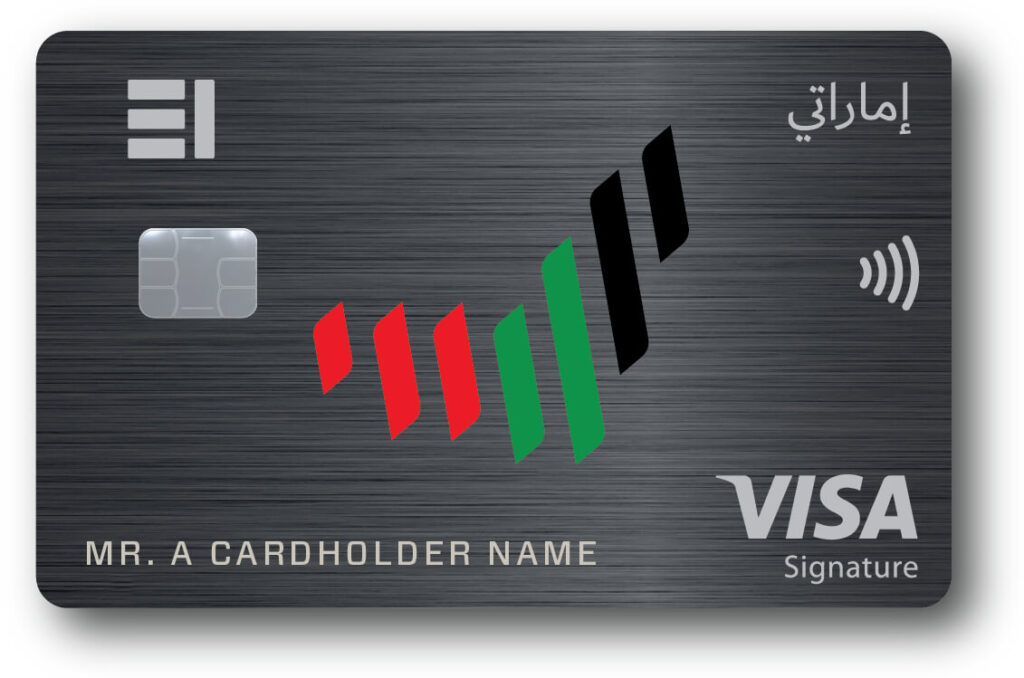
A metal credit card in the UAE is a premium card made from stainless steel, titanium or another metal instead of plastic. Banks usually reserve it for their top tiers, so expect higher salary requirements, bigger annual fees and richer perks such as lounge access, concierge service and golf or dining privileges.
What Makes a Card “Metal”?
Most bank cards are PVC plastic. A metal card replaces that body with a metal layer, usually stainless steel and sometimes titanium, or with a metal face bonded to a different core. The issuer laser-engraves or prints your name and number, and many designs keep a small non-metal section so the chip and the contactless antenna can work.
That detail matters. Metal blocks radio signals, so a fully solid card could not tap to pay. Issuers solve this with a cut-out, a plastic insert or a hybrid build.
You will also see the phrases “metal finish” and “100% metal”. They are not the same thing. A metal finish may be a thin metallic surface, while a fully metal card is heavier and costs the bank more to produce. Product pages do not always spell out which one you will receive, so ask before you apply if the material matters to you.
From the Black Card to the UAE Mainstream
The idea starts with American Express. The Centurion Card, nicknamed the Black Card, arrived in 1999 as an invitation-only product made from anodised titanium with laser-etched details. Its price and secrecy turned it into a status symbol, and later banks borrowed the look for far more accessible premium cards.
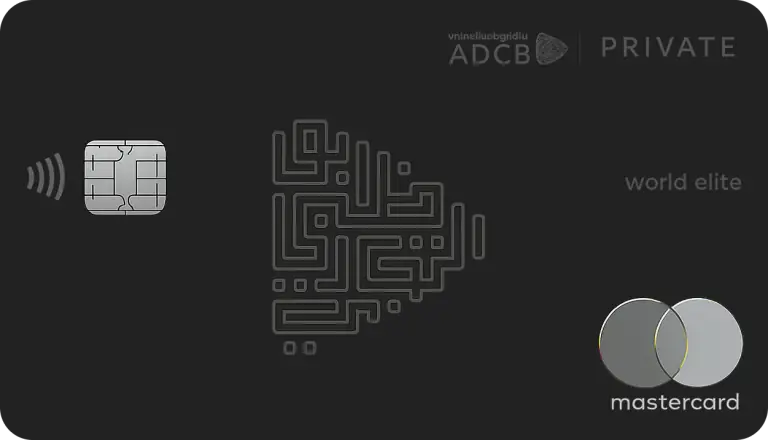
In the UAE, the format fitted a market that loves travel and lifestyle rewards. Several banks now issue their top-tier products in metal, from the Mashreq Solitaire to the Emirates-Citibank Ultima. The result is a spectrum. A handful of cards sit at the ultra-exclusive end, but most metal cards are simply high-tier products, such as Visa Infinite cards, with a heavier body.
How a Metal Card Feels Different Day to Day
The differences are small but real. A metal card is several times heavier than plastic and resists bending, so it tends to outlast a cheap card in a crowded wallet. It can also scratch, and the finish may wear at the edges. Chip and tap payments work normally. If you stack the card behind your phone, though, it can interfere with the phone’s NFC, so keep the two apart.
Replacement is the practical downside. A lost metal card must be blocked at once, and the replacement fee and delivery time follow the bank’s fee schedule. Read that schedule before you sign.
Why UAE Banks Issue Metal Cards
Banks use metal as a tier marker. A heavy card signals a premium customer to staff and fellow diners, so it works as marketing. The annual fee also helps fund the perks, and high-spending customers generate more card revenue for the bank.
For you, the lesson is simple: the metal body is not the benefit. The benefit comes from the tier behind it. Judge the tier, the fee and the conditions, not the finish.
Who Qualifies for a Metal Credit Card in the UAE?
The Central Bank baseline
The Central Bank of the UAE sets a floor for every credit card. Under its consumer lending rules, a bank may issue a card to someone with annual income of at least AED 60,000, or against a pledged deposit of at least AED 60,000. The same rules require lenders to keep total repayments, including card balances, within 50 per cent of gross income. Banks then apply stricter criteria of their own. Rules are updated from time to time, so check the current CBUAE rulebook for the latest wording.
Tier-level income expectations
ADCB’s consumer education page gives a useful benchmark: roughly AED 5,000 a month for Gold, AED 8,000 for Platinum and AED 30,000 or more for Infinite. Metal cards generally sit in or above that Infinite band. Published figures for individual metal cards range from about AED 25,000 to more than AED 36,000 a month, depending on the card and the date of the listing.
Some banks have been reported to relax the income rule for customers with strong investments or a private-banking relationship. Treat that as a conversation to have with your relationship manager, not something to count on.
Documents and credit history
Expect to provide your Emirates ID, passport with residence visa, a recent salary certificate or bank statements, and sometimes a security cheque. Your Al Etihad Credit Bureau (AECB) score and your existing debt also matter. A strong score, a clean repayment record and a salary transfer to the issuing bank all improve your odds.
Metal Credit Cards You Can Compare in the UAE
Availability, fees and perks change often, and listing sites do not always agree with each other. The table below draws on bank pages and recent published listings. Confirm every figure with the bank before you apply.
| Card | Why it belongs here | Published fee and income | The catch |
|---|---|---|---|
| Mashreq Solitaire | Visa Infinite with a metal finish; lounge access, Fitness First and golf benefits | AED 1,500 plus 5% VAT (AED 1,575); income listed between AED 25,000 and AED 30,000 | Lounge, gym and insurance benefits depend on AED 10,000 of spend in the previous billing cycle |
| Emirates-Citibank Ultima | Described in press coverage as fully metal; built around Skywards-style travel rewards | AED 3,000 and AED 36,750 in older listings | Rewards partnerships have shifted over the years, so confirm how miles or points work today |
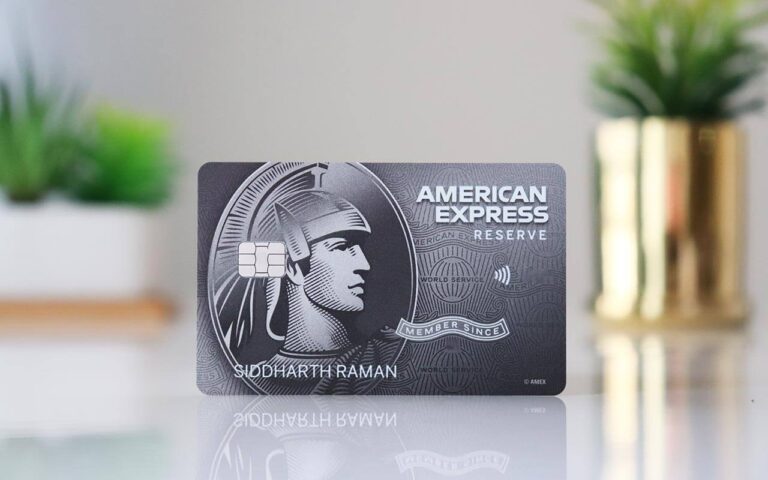
| American Express Platinum | Carries the Centurion legacy; Platinum cards are metal in most markets | Varies; confirm with American Express UAE | Acceptance can be narrower than Visa or Mastercard at smaller merchants |
The Mashreq Solitaire is the easiest card to analyse because the bank publishes its conditions. Its AED 1,500 fee plus 5 per cent VAT equals AED 1,575, which explains why you see both numbers online. The bank’s page also says some benefits need a minimum spend, and small mechanics apply. For example, a Fitness First visit is charged AED 5 and reversed within 60 days, and golf clubs run a AED 1 authentication transaction on the card.
Older roundups also name the ADCB Betaqti and the HSBC Black cards as metal options. Before you consider either, confirm that it is still on sale. Banks regularly retire, merge and rename premium products.
What a Metal Credit Card Really Costs
Fees
The annual fee is only the start. Add 5 per cent VAT, a fee for supplementary cards, a cash advance fee, a foreign-currency transaction fee (often close to 2 per cent) and the replacement fee. Many banks run first-year waivers or welcome offers, but these usually come with spend targets. A Citibank welcome credit for the Ultima, for example, depends on reaching a set spend within 90 days.
Interest
Interest is where metal cards turn expensive. Finance charges on UAE cards often land in the 30s per cent a year, so one unpaid month can erase the value of a year of perks. If you plan to carry a balance, a metal card is the wrong tool.
Minimum-spend conditions
This is the hidden cost. A lounge visit or a gym session that looks free may be free only when you spent enough in the previous cycle. Miss the target and the bank bills you the usage fee.
A worked example
Imagine a card with a AED 1,575 annual fee. Assume you value each lounge visit at AED 150 and your rewards are worth about 1 per cent of spend. These are assumptions for illustration, not bank figures.
In scenario A, you spend AED 10,000 a month and use a lounge six times a year. Rewards are worth about AED 1,200 and lounge visits about AED 900, so the total value is AED 2,100. That is roughly AED 525 more than the fee.
In scenario B, you spend AED 4,000 a month and visit a lounge twice. Rewards are worth about AED 480 and lounges about AED 300, so the total is AED 780. That is roughly AED 795 less than the fee, and you would also miss any benefit locked behind a spend target.
Same card, opposite outcomes. Your own spending decides which scenario you live in.
Perks That Matter, and Perks That Sound Better Than They Are
Airport lounges. Check how access works. Some Visa Infinite programmes deliver lounge entry through the Visa Airport Companion app rather than the physical card, and listings for Emirates NBD’s Infinite cards describe access that way. Also check guest rules and any annual visit caps.
Concierge. Useful for restaurant bookings and travel help, but quality varies by bank. Test it once before you rely on it.
Golf, fitness and valet. Valuable only if you already do these things. A free golf round you never play is worth nothing.
Travel insurance. Often requires you to pay for the trip with the card. Read the limits, exclusions and age caps.
Rewards. Convert points or miles into a rough dirham value per AED spent. A headline such as “up to 2.5 miles” usually applies to one spending category only.
Welcome offers. Treat them as a one-time bonus, not the reason to keep a card that costs AED 1,575 every year.
Advantages and Disadvantages
On the plus side, metal cards offer durable construction, richer travel and lifestyle perks, higher spending limits in many cases, and a service level that is often better than entry cards. They also give you the status signal that some people value.
On the downside, they carry high annual fees, steep income requirements, spend conditions that can turn free perks into paid ones, and high interest if you revolve a balance. The physical card also adds little security. It uses the same chip and fraud protections as plastic.
How to Decide: A Five-Step Check
- Check eligibility. Compare your income, AECB score and existing debt against the bank’s published criteria and the 50 per cent repayment limit.
- Estimate real spending. Write down your monthly spend and how often you fly or dine out.
- Price the perks you would actually use. Value each at what you would pay without the card.
- Subtract the full cost. Include the fee, VAT and any spend you would not otherwise make to hit targets.
- Compare alternatives. Put the metal card beside a premium plastic card and a cashback card. If the plastic card wins on net value, the metal body was only decoration.
Common Mistakes
The first mistake is paying for looks. If you will not use the perks, the finish does not justify the fee. The second is ignoring minimum-spend rules, which silently switch off benefits. The third is applying to several banks in a row. Each application leaves an enquiry on your credit record, and several in a short window can look like financial stress. The fourth is carrying a balance, which cancels any reward you earn.
Practical Tips
Ask about a first-year fee waiver or a retention offer when the renewal bill arrives, since banks sometimes agree. Set up automatic payment for the full statement balance. Put the minimum-spend date on your calendar. Register for the lounge app before you travel, not at the airport desk. And keep an eye on the bank’s annual benefit changes, because perks can shrink at renewal.
Where the Market Is Heading
Tap-to-pay and phone wallets mean the physical card matters less as a payment tool every year. That pushes banks to compete on experiences, such as lounges, dining access and travel services, rather than on the plastic or metal itself. Expect metal to stay a top-tier signal, and expect more issuers to market recycled or lower-impact materials. For you, the practical outlook is unchanged: compare the net value, not the weight.
FAQs
1. What is a metal credit card?
It is a credit card whose body is made from metal, such as stainless steel or titanium, instead of plastic. Banks use it for premium tiers with higher fees and richer perks.
2. Which UAE banks offer metal credit cards?
Mashreq (Solitaire) and Citibank (Emirates-Citibank Ultima) are commonly named, and American Express is associated with metal cards globally. Other banks release or retire premium cards often, so check each bank’s current card page.
3. What salary do I need for a metal credit card in the UAE?
There is no single figure. Infinite-tier cards are commonly listed from AED 30,000 a month, and some metal cards are listed from AED 25,000. The Central Bank floor of AED 60,000 a year only applies to cards in general.
4. Are metal credit cards worth the annual fee?
Only if you use enough of the perks and meet the spend conditions. Run the net-value calculation above using your own numbers.
5. Can I get a metal card on a low salary?
The Central Bank allows a card against a pledged deposit of AED 60,000, but metal tiers are usually reserved for high earners, so a low-salary applicant is unlikely to be approved for one.
6. Is a metal card more secure than plastic?
Not really. The chip, PIN and fraud monitoring are the same. Metal is more durable, not more secure.
7. Do metal cards work for contactless payments and ATMs?
Yes. Issuers design them with a cut-out or insert so the chip and the contactless antenna work normally.
8. How much does it cost to replace a metal card?
It depends on the bank. Check the fee schedule on the card’s product page or ask customer service before you apply.
9. Which metal card has the best lounge access?
There is no universal winner. The Mashreq Solitaire lists access to more than 1,000 lounges with a spend condition, so compare caps, guest rules and conditions for each card.
10. Is the American Express Black Card available in the UAE?
The Centurion Card is invitation-only and not something you can apply for. American Express chooses the members it invites.
Conclusion
A metal credit card in the UAE can be a smart premium product or an expensive accessory. The difference comes from your spending, your travel habits and your discipline with repayment, not from the material. Start with the Central Bank floor and the bank’s own tier criteria, then price the perks you would truly use against the fee, VAT and spend targets. If the numbers work, a metal card gives you strong travel and lifestyle value. If they do not, a premium plastic or cashback card will serve you better, and nobody at the restaurant table will care what it is made of.

Sara is a UAE-based banking and accounting expert with over 4 years of professional experience in the financial sector. Her expertise spans retail banking, financial reporting, compliance, and practical money management topics relevant to individuals and businesses in the UAE.
She contributes clear, accurate, and well-researched financial content, simplifying complex banking and accounting concepts for everyday readers. Sara’s writing reflects strong industry knowledge, regulatory awareness, and a commitment to financial accuracy and transparency.