
How to Check Credit Score in UAE: Complete 2027 Guide
Whether you are applying for a personal loan, buying a car on finance or planning to purchase property in Dubai, your credit score can influence the financial options available to you. Even with a stable monthly salary, a poor credit history may reduce your chances of securing financing.
Knowing how to check your credit score in the UAE helps you spot financial issues, correct inaccurate records, and improve your creditworthiness before approaching a lender.
To check your credit score in the UAE, visit the official Etihad Credit Bureau website or download its mobile application. Sign in using UAE Pass, select the credit score service and pay AED 10.50. You can also purchase a comprehensive credit report for AED 84 to review your financial obligations and payment history.
What Is a Credit Score in the UAE?
A credit score is a three-digit number representing your creditworthiness and the likelihood of meeting your financial obligations. It helps financial institutions assess the potential risk of lending money to you.
In the UAE, credit scores are issued by Al Etihad Credit Bureau (AECB), also known as Etihad Credit Bureau. The organization collects financial information from banks, finance companies, telecommunications operators, utility providers and other participating institutions.
Your credit score reflects how responsibly you manage financial commitments such as credit cards, loan instalments and bills.
A higher score generally indicates lower credit risk, while a lower score suggests that lenders may need to assess your application more carefully.
However, a good credit score does not automatically guarantee loan approval. Banks also consider your salary, employment status, existing liabilities and repayment capacity.
What Is Al Etihad Credit Bureau (AECB)?
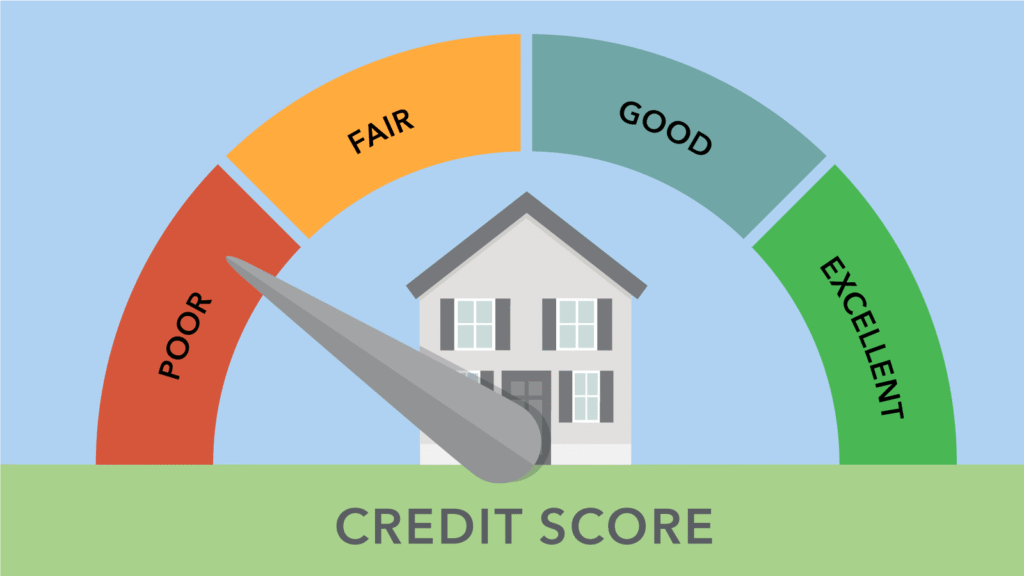
Al Etihad Credit Bureau is a UAE federal government-owned organization responsible for collecting, processing and distributing credit information about individuals and businesses.
The bureau helps financial institutions evaluate borrowers by providing a consolidated view of their financial behaviour.
Information collected by AECB may include:
- Personal loans and mortgages.
- Credit card balances and limits.
- Vehicle financing agreements.
- Outstanding financial obligations.
- Telecommunications and utility payments.
- Late and missed payments.
- Returned cheques.
- Court-related financial obligations.
- Reported Buy Now, Pay Later arrangements.
AECB provides credit information, but it does not approve or reject loan applications. Individual financial institutions make lending decisions according to their eligibility requirements and risk policies.
How to Check Credit Score in UAE Online
Checking your credit score is a straightforward process that can be completed without visiting a bank or government office.
UAE citizens and residents can access their credit information through official websites, mobile applications and participating digital government platforms.
1. Check Your Credit Score Through the AECB Website
The Etihad Credit Bureau website is one of the most reliable platforms for accessing your official credit information.
Follow these steps:
- Visit the official Etihad Credit Bureau website at etihadbureau.ae.
- Navigate to the personal credit score or credit report service.
- Sign in using your UAE Pass account.
- Complete the required identity verification.
- Select the credit score or full credit report.
- Review the applicable charges.
- Complete your online payment.
- Access and download your credit information once it is available.
Your credit score is typically available shortly after completing the transaction, although processing times may vary.
Save the downloaded document securely, particularly if you intend to review your financial position before applying for financing.
2. Check Your Credit Score Through the AECB Mobile App
The Etihad Credit Bureau mobile application offers a convenient alternative for residents who prefer managing financial services through their smartphones.
The application is available for Android and iOS devices.
To check your score:
- Download the official Etihad Credit Bureau application.
- Open the application and sign in with UAE Pass.
- Complete the identity verification process.
- Select your preferred credit information product.
- Pay the applicable service fee.
- View or download your credit score or report.
The mobile application is particularly useful for monitoring your financial progress without visiting a physical service centre.
3. Check Your Credit Score Through DubaiNow
DubaiNow provides access to various government and financial services through a single mobile application. Credit information services are among its available features.
To access your credit information through DubaiNow:
- Download or open the DubaiNow application.
- Sign in using UAE Pass.
- Search for the credit report or credit score service.
- Select the required service.
- Complete the payment and access your results.
This option is convenient for residents who already use DubaiNow to manage government transactions, utility bills and other daily services.
4. Check Your Credit Score Through TAMM
Abu Dhabi residents can also access credit information through TAMM, the emirate’s digital government services platform.
Sign in using UAE Pass, locate the Etihad Credit Bureau service and select the credit product you wish to purchase.
The service offers another convenient way to access official financial information without downloading a separate credit bureau application.
5. Check Your Credit Score Through Your Bank
Some UAE banks may provide credit score monitoring or access to credit-related information through their mobile banking platforms.
Availability depends on the bank, account type and current service offerings.
Check the financial services or credit card section of your banking application to determine whether this feature is available.
If your bank does not offer an official credit score checking service, you can obtain your score directly from Etihad Credit Bureau.
Documents Required to Check Your Credit Score in UAE
You do not normally need extensive financial documentation to check your personal credit score online.
The general requirements include:
- A valid Emirates ID.
- An active UAE Pass account.
- A registered mobile number.
- A valid email address.
- An accepted online payment method.
A salary certificate, bank statement or employment letter is not generally required simply to access your own credit score.
These documents may become necessary when you apply for a loan or other financial product.
If your personal information is outdated or your identity cannot be verified, additional documentation or customer support assistance may be required.
How Much Does It Cost to Check a Credit Score in UAE?
The cost depends on whether you want a numerical assessment of your creditworthiness or a detailed record of your financial history.
| Service | Standard fee | Information provided |
|---|---|---|
| Individual credit score | AED 10.50 | Numerical creditworthiness assessment |
| Individual credit report | AED 84 | Credit score and detailed financial history |
| Eligible data correction request | Free | Correction of inaccurate credit information |
| Credit score through participating banks | Varies | Depends on bank and service availability |
The individual credit report is more expensive because it provides detailed financial information rather than simply displaying your score.
Service charges may change, so confirm the final amount before completing your purchase.
If you only want to monitor your creditworthiness, purchasing the score alone may be sufficient. However, if you have recently experienced a loan rejection or are preparing for a mortgage application, a full credit report may provide greater value.
Can You Check Your Credit Score in UAE for Free?
There is no universally available free official AECB credit score checking service for every UAE resident.
Although some banking applications and promotional offers may provide complimentary access, these services depend on the eligibility requirements and policies of the relevant institution.
Before paying for a credit score, check whether your bank offers this benefit.
Be cautious when using third-party websites that advertise free credit checks. Some platforms may provide estimated scores rather than official credit bureau information.
Never share your UAE Pass password, banking credentials, verification codes or Emirates ID details with an unverified platform.
What Is a Good Credit Score in UAE?
A good credit score indicates that you have generally managed your financial responsibilities effectively and may present a lower lending risk.
The UAE credit scoring system changed in 2027, so it’s important to know which scoring model applies to your report.
Understanding the Updated UAE Credit Score Range
In October 2026, Etihad Credit Bureau introduced its Credit Score 3i model to expand credit assessment coverage and improve risk evaluation.
The updated model uses a range of 300 to 850 for established credit profiles, while individuals with limited credit histories may be assessed using a different scale ranging from 300 to 650.
The following categories provide a general interpretation of the updated established-credit scoring scale.
| Credit score | Rating | General interpretation |
|---|---|---|
| 790–850 | Excellent | Strong creditworthiness |
| 756–789 | Very good | Relatively low credit risk |
| 674–755 | Good | Generally favourable credit standing |
| 524–673 | Fair | Credit profile may need improvement |
| 300–523 | Weak | Higher potential lending risk |
Older UAE credit reports and financial guides may refer to the previous 300–900 scoring range.
When reviewing your score, always use the rating and scoring model displayed on your current report rather than comparing numbers from different scoring systems.
Financial institutions may also apply their own assessment criteria when determining eligibility for credit products.
Credit Score vs Credit Report: What Is the Difference?
Although credit scores and credit reports are closely related, they serve different purposes.
A credit score provides a quick numerical assessment of your credit profile. A credit report explains your financial history in greater detail and helps you understand the information behind that assessment.
| Feature | Credit score | Credit report |
|---|---|---|
| Format | Three-digit number | Detailed financial document |
| Payment history | Not itemized | Included |
| Outstanding debts | Not itemized | Included |
| Credit card information | Not itemized | Included |
| Error identification | Limited | Detailed |
| Standard cost | AED 10.50 | AED 84 |
| Best suited for | Routine monitoring | Detailed financial assessment |
For example, if your credit score has recently declined, checking the score alone may not explain what caused the change.
A full credit report could reveal an outstanding credit card balance, a missed instalment or an account that has not been correctly updated.
This information helps you take appropriate action instead of guessing why your score changed.
What Information Is Included in an AECB Credit Report?
An individual credit report provides a comprehensive overview of your reported financial activities.
It generally covers payment history over the previous 36 months, together with other relevant financial information.
Personal and Employment Information
Your report may contain personal identification details, employment information and your most recently reported salary.
Review these details carefully because inaccurate personal information could create difficulties during financial assessments.
Credit Accounts and Financial Obligations
The report provides information about active and closed credit facilities, including personal loans, mortgages, credit cards and vehicle financing.
You can review reported outstanding balances, repayment commitments and account statuses.
Payment History
Your payment history indicates whether reported financial obligations have been paid on time or whether late payments have occurred.
Repeated delays may suggest financial difficulties and increase perceived lending risk.
Income Utilization Ratio
This ratio helps illustrate the relationship between your reported income and financial commitments.
A high level of monthly obligations relative to your income may affect your ability to qualify for additional financing.
Returned Cheques and Court Obligations
Where applicable, your report may contain information about returned cheques and court-ordered financial obligations.
These records can influence how lenders assess your overall financial reliability.
Reviewing each section before submitting a major loan application can help identify issues that require attention.
How Is Your Credit Score Calculated in UAE?
Etihad Credit Bureau uses credit assessment models to evaluate financial information received from participating organizations.
Although consumers should not assume that every factor has a fixed publicly disclosed percentage, several financial behaviours can influence creditworthiness.
Payment History
Consistently paying loan instalments, credit card bills and other reported financial obligations on time helps establish a reliable payment record.
Even an overlooked outstanding bill can create problems if it is reported as overdue.
Credit Utilization Ratio
Your credit utilization ratio measures the proportion of your available revolving credit that you are currently using.
For example, if your credit card has a limit of AED 20,000 and your outstanding balance is AED 15,000, your utilization ratio is 75%.
If you reduce the balance to AED 5,000, your utilization falls to 25%.
Lower credit utilization can demonstrate better control over borrowing. Keeping utilization below 30% is a useful general budgeting guideline, although it is not an official guaranteed threshold for a particular AECB score.
Outstanding Financial Obligations
Multiple loans, substantial credit card balances and other recurring repayment commitments may influence how financial institutions assess your repayment capacity.
Having debt does not automatically indicate poor creditworthiness. The amount of debt, payment behaviour and ability to manage commitments are more important.
Length of Credit History
An established financial history provides more information about your repayment behaviour.
New residents and individuals who have never used credit products may have limited credit information, making conventional risk assessment more difficult.
New Credit Applications
Submitting multiple credit card or loan applications within a short period may create additional lender inquiries and suggest an increased demand for borrowing.
Apply for financial products when you genuinely need them rather than applying to several institutions without reviewing their eligibility requirements.
Do Utility Bills and Buy Now, Pay Later Payments Affect Your Credit Score?
Creditworthiness in the UAE is not limited to traditional bank loans and credit cards.
Payment information from participating telecommunications companies, utility providers and other institutions can also contribute to your credit profile.
For example, an unpaid postpaid mobile bill or an outstanding utility account may create difficulties if the relevant information is reported to the bureau.
The UAE expanded its credit reporting ecosystem to include Buy Now, Pay Later data in July 2026.
As a result, consumers should treat reported instalment-based purchases as financial obligations rather than assuming that they have no relationship with their credit history.
Paying instalments on time and avoiding multiple overlapping payment plans can help maintain financial stability.
What Credit Score Is Required for a Loan in UAE?
There is no single credit score that guarantees approval for every financial product in the UAE.
Banks assess borrowers using a combination of credit history, income, existing obligations, employment stability and internal lending requirements.
Personal Loans
A favourable credit score may improve your chances of qualifying for a personal loan.
Banks also examine monthly salary, employment details and the affordability of proposed loan repayments.
Credit Cards
Credit card issuers assess your repayment history, income and existing liabilities before approving an application or determining your credit limit.
A weak credit profile may result in rejection or more restrictive borrowing options.
Car Loans
Vehicle financing providers consider your creditworthiness, income, down payment and existing financial commitments.
Checking your credit report before visiting a dealership can help you understand your financial position.
Mortgages
Mortgage lenders typically conduct a comprehensive financial assessment because of the substantial borrowing amount and lengthy repayment period involved.
A strong credit profile can support your mortgage application, but property valuation, down payment, income and affordability remain important.
Importantly, a high credit score cannot compensate for every affordability or eligibility issue.
Why Is My Credit Score Low in UAE?
A low credit score can result from several financial factors, including circumstances that you may not immediately notice.
Common reasons include:
- Repeated late or missed payments.
- High outstanding credit card balances.
- Excessive borrowing.
- Returned cheques.
- Multiple recent credit applications.
- Outstanding reported utility or telecommunications bills.
- Inaccurate financial information.
- Unresolved previous financial obligations.
For instance, you may have repaid a personal loan, but the account could still appear active if the lender has not updated its records.
Instead of assuming the cause of a low score, obtain your full credit report and examine the underlying information.
How to Improve Your Credit Score in UAE
Improving your credit score requires consistent financial management. There is no legitimate shortcut that guarantees an immediate increase.
Pay Financial Obligations on Time
Make credit card payments, loan instalments and reported service payments before their due dates.
Automatic payments and calendar reminders can help prevent accidental delays.
Ensure sufficient funds are available before scheduled payments are collected.
Reduce Outstanding Credit Card Balances
Avoid regularly using your entire available credit limit.
Whenever possible, pay your credit card statement balance in full rather than allowing debt to accumulate.
Reducing expensive revolving debt can improve financial stability and may support a healthier credit profile.
Avoid Unnecessary Credit Applications
Review the eligibility requirements for loans and credit cards before applying.
Submitting unnecessary applications may create additional inquiries and increase your risk of taking on unaffordable debt.
Manage Existing Loans Responsibly
Focus on keeping your existing financial commitments under control before considering additional borrowing.
If you are struggling with repayments, contact your lender early to discuss available solutions rather than ignoring payment reminders.
Clear Outstanding Bills
Check whether you have unpaid telecommunications charges, utility bills or final settlement amounts from previously closed accounts.
When relocating to another emirate or leaving the UAE, make sure your outstanding service obligations have been resolved.
Review Your Credit Report Regularly
Periodic credit report reviews help identify inaccuracies, unexpected balances and outdated account information.
Monitoring is especially useful before applying for major financing or after settling substantial debts.
How Long Does It Take to Improve a Credit Score in UAE?
There is no fixed timeline for credit score improvement.
The time required depends on your existing credit history, outstanding obligations, payment behaviour and when financial institutions update their reported information.
Reducing a substantial credit card balance may help once the updated information reaches the bureau. Recovering from repeated missed payments or serious financial difficulties may require considerably longer.
Although your credit report includes up to 36 months of payment history, accurate negative information does not necessarily disappear immediately after outstanding debts are settled.
Focus on developing consistent repayment habits rather than expecting a specific score increase within a guaranteed period.
How to Correct Errors in Your AECB Credit Report
Incorrect credit information can affect your ability to obtain financing. Fortunately, Etihad Credit Bureau provides a data correction service.
Examples of potential errors include a fully repaid loan appearing active, an incorrect outstanding balance or a payment being recorded as overdue despite being made on time.
Follow these steps to request a correction:
- Obtain your latest credit report.
- Identify the inaccurate account or transaction.
- Collect supporting evidence, such as payment receipts, bank statements or clearance letters.
- Access the data correction service through your Etihad Credit Bureau account.
- Complete the request and attach the necessary documents.
- Submit the request for review.
- Monitor your email for updates.
Etihad Credit Bureau offers free data correction for eligible credit reports purchased within the previous 30 days.
The bureau forwards the request to the organization responsible for supplying the disputed information. Updates generally depend on the relevant information provider.
The correction process may take around 10 working days, although individual cases can take longer.
If the provider rejects your request, you can contact Etihad Credit Bureau customer service on 800 287328 to discuss the dispute process.
A data correction request cannot legitimately remove accurate negative financial records simply because they reduce your credit rating.
How Can New Expats Build a Credit History in UAE?
New expatriates frequently encounter difficulties when applying for financial products because they have limited or no established UAE credit history.
Having no credit history is not the same as having a poor credit score.
If you have recently moved to the country, participating financial institutions may not yet have enough information to assess your repayment behaviour.
Start by opening a suitable bank account, maintaining accurate personal information and paying your reported bills on time.
If you qualify for a credit card and genuinely need one, use it responsibly and repay the balance promptly.
Avoid borrowing money solely to establish a credit score, particularly if the additional financial commitment is unnecessary.
Building a reliable financial record takes time, but responsible payment habits can help establish a stronger profile.
Common Credit Score Mistakes UAE Residents Should Avoid
One of the most common mistakes is assuming that a high salary automatically results in excellent creditworthiness.
Someone earning AED 30,000 per month may still have financial difficulties if they frequently miss payments or maintain excessive debt.
Another mistake is ignoring small outstanding balances. An unpaid final bill or forgotten credit card charge could remain unresolved long after you believe an account has been closed.
Residents should also avoid comparing their UAE credit score directly with scores from other countries or older scoring models. Different systems apply different assessment methods.
Finally, be cautious of companies promising guaranteed credit score improvements or the immediate removal of legitimate negative records.
Reliable improvement comes from accurate reporting and responsible financial behaviour.
How Often Should You Check Your Credit Score?
The appropriate frequency depends on your financial circumstances and future borrowing plans.
For individuals with stable finances, reviewing their credit information every three to six months may be sufficient.
If you are planning to apply for a mortgage, personal loan or car finance, consider checking your full credit report one to three months before submitting the application.
This provides additional time to resolve discrepancies, reduce outstanding balances and assess whether further borrowing is affordable.
Checking after settling a major loan can also help confirm whether the updated account status has been reported correctly.
The Future of Credit Scoring in the UAE
The UAE’s credit reporting system is becoming more comprehensive as financial services move towards digital platforms and broader data collection.
The introduction of Credit Score 3i and the inclusion of Buy Now, Pay Later information in 2026 demonstrate how credit assessments are evolving beyond conventional borrowing records.
These developments may help financial institutions assess individuals with limited traditional credit histories more effectively.
For consumers, this makes responsible financial management increasingly important across a broader range of payment services.
As scoring models and reporting practices evolve, residents should review their latest official credit information rather than relying on outdated score classifications or assumptions.
FAQs
1. How can I check my credit score online in UAE?
You can check your credit score through the Etihad Credit Bureau website or mobile application. Sign in using UAE Pass, select the credit score service, pay the applicable fee and access your results.
2. Can I check my credit score using my Emirates ID?
Yes. Your Emirates ID is generally used to establish your identity within the UAE credit reporting system. Signing in through UAE Pass is the standard convenient method of accessing your credit information online.
3. How much does an AECB credit score cost?
The standard fee for an individual credit score is AED 10.50. A comprehensive individual credit report costs AED 84. Confirm the applicable price before purchasing.
4. Is checking my own credit score bad for my credit rating?
No. Checking your own credit score does not normally reduce your credit rating. It is different from a lender assessing your credit information as part of a new financing application.
5. Is 700 a good credit score in UAE?
For established credit profiles assessed under the updated Credit Score 3i model, a score of 700 generally falls within the good category. However, banks apply additional financial and eligibility requirements when assessing applications.
6. Can I get a personal loan with a low credit score in UAE?
It may be possible, depending on the lender’s requirements, your income and existing financial commitments. However, a low credit score can reduce your chances of approval or limit your available financing options.
7. Does checking my credit score require a salary certificate?
No. You do not usually need a salary certificate to check your personal credit score. Identity verification and payment are generally sufficient for accessing the service.
8. How can I check my credit score without UAE Pass?
UAE Pass is the standard login method for official digital credit services. If you cannot access your account, contact Etihad Credit Bureau customer support for alternative identity verification or assistance.
9. Can I check my UAE credit score from another country?
Yes. Individuals living outside the UAE may access their credit information through available digital services, provided they can complete identity verification. Virtual customer support appointments may also be available.
10. Why is my credit score not available?
Your credit score may be unavailable because of insufficient financial history, outdated information, identity verification issues or technical problems. New residents may also have limited credit records.
11. Does paying off a loan improve my credit score?
Repaying a loan can reduce outstanding financial obligations and may support your creditworthiness. However, the impact depends on your complete credit profile and when the updated information is reported.
12. Can I check another person’s credit score in UAE?
You cannot freely access another person’s private credit information. Appropriate consent, authorization or other lawful grounds are required under the applicable credit information regulations.
Conclusion
Knowing how to check your credit score in the UAE is an important part of managing your financial responsibilities. Whether you are applying for a credit card, purchasing a vehicle or preparing for a mortgage, understanding your creditworthiness can help you make better-informed decisions.
Etihad Credit Bureau provides convenient access to official credit information through its website, mobile application and participating government platforms.
While a credit score offers a quick assessment of your financial standing, a comprehensive credit report provides deeper insights into your payment history, outstanding debts and potential inaccuracies.
Paying financial obligations on time, managing credit card balances, avoiding unnecessary borrowing and reviewing your financial records regularly can help you maintain a healthier credit profile and prepare for future financial opportunities.

Sara is a UAE-based banking and accounting expert with over 4 years of professional experience in the financial sector. Her expertise spans retail banking, financial reporting, compliance, and practical money management topics relevant to individuals and businesses in the UAE.
She contributes clear, accurate, and well-researched financial content, simplifying complex banking and accounting concepts for everyday readers. Sara’s writing reflects strong industry knowledge, regulatory awareness, and a commitment to financial accuracy and transparency.