Credit Cards for Business Owners in the UAE: How to Choose the Right One in 2027
By the Emirates Breaking Finance Desk
Ask a UAE founder how the company pays for hosting, flights, supplier deposits and ad spend, and the honest answer is often the same: whichever card was closest. That works until audit season, when mixed-up statements make it hard to show which spending belonged to the business and which did not.
Credit cards for business owners exist to fix that problem. A business card ties spending to the company, builds a repayment record, and gives you a few weeks of float between paying a supplier and paying the bank. The catch is that the UAE market is not one product. Banks issue unsecured business credit cards and cash-backed covered cards, digital banks have entered the field, and fintech platforms add prepaid spend cards that look similar but carry no credit at all.
This guide explains how each type works, what published fee schedules actually say, what banks look at before approving you, and how to choose without paying for features you will never use.
Which Card Suits Which Business Owner?

The best credit cards for business owners in the UAE depend on your company’s age, revenue and spending. Established firms usually qualify for bank-issued business credit cards from lenders such as Emirates NBD, while newer companies often start with digital-bank cards, covered cards or prepaid spend cards.
The rest of this article unpacks that answer: what each card type is, what it costs, and where owners tend to get caught out.
What Is a Business Credit Card in the UAE?

A business credit card is issued against a UAE trade licence rather than a personal salary. The bank reviews the company (and, in practice, usually the owner as well), sets a limit, and issues the primary card to an authorised signatory. Most issuers also let you add supplementary cards for staff, all drawing on the same limit. Emirates NBD’s published price guide, for example, lists supplementary card issuance as free.
Before comparing banks, it helps to know which product family you are actually shopping for.
| Card type | How the limit works | Best suited to | Main watch-out |
|---|---|---|---|
| Unsecured business credit card | The bank sets a revolving limit after reviewing your licence, financials and credit records | Established companies with steady turnover | Finance charges are steep if you carry a balance, and the owner may be asked for a guarantee |
| Covered (cash-backed) card | The limit is backed by a deposit you place with the bank | Owners with cash on hand but a short trading record | Your cash is tied up, and it is not a true credit line |
| Digital-bank business credit card | A digital lender assesses your licence and account activity | Newer companies and app-first teams | Limits and features change quickly, so check the current schedule |
| Prepaid or spend-management card | You load funds first, then spend within set controls | Teams that need control more than credit | No float, and typically no repayment history to build |
| Personal card used for business | Personal limit, personal liability | Nobody, beyond the very short term | Muddied records, and some card terms restrict use to personal spending |
The first three rows are what most owners mean when they search for credit cards for business owners. Prepaid cards deserve a look too, but they solve a different problem: control, not credit.
Why Business Owners Should Keep Spending Off Personal Cards
Start with the paperwork. Some personal card agreements limit use to personal purposes. Mashreq’s published terms for its cashback card, for example, describe the card as issued for personal use. Running company spend through a product like that can put you outside its terms, so read the agreement before you route invoices through it.
Then there is tax. The UAE charges VAT at 5%, and corporate tax at 9% on taxable income above AED 375,000. Businesses with revenue up to AED 3 million have been able to elect Small Business Relief, which, in the sources we reviewed, is documented for tax periods ending on or before 31 December 2026. Whether you end up paying tax or not, clean card statements help you evidence expenses. A statement alone will not support an input VAT claim, though. You still need valid tax invoices from each supplier.
Cash flow is the third reason. Wio Bank, for instance, advertises up to 60 days of interest-free credit on its business card, and traditional issuers publish their own statement-cycle terms. That window lets you pay a supplier today and settle with the bank later, provided you clear the statement in full.
Finally, a business card builds a record. UAE banks and finance companies report credit data to the Al Etihad Credit Bureau (AECB) every month, and the bureau issues credit reports and scores for companies as well as individuals. The commercial score runs from 300 to 900 and estimates the likelihood of default over the next 12 months. Steady on-time repayment on a business card feeds that picture; missed payments feed it too.
How Banks Decide: Eligibility and Documents
There is no single UAE standard. Each bank sets its own rules, and most publish little about minimum turnover or time in business. Be wary of any roundup that states exact revenue thresholds as fact: the figures quoted across comparison sites rarely agree, which suggests they are estimates or outdated. Treat them as a starting point for a conversation with the bank, not a promise.
What you can count on is the document trail. ADIB’s business card page, for instance, asks for the trade or professional licence, commercial registration, chamber of commerce certificate, memorandum of association with any amendments, and a power of attorney or board resolution where relevant. It also asks for passports, residence visas and Emirates IDs for the signatories. Expect similar requests elsewhere, plus recent business bank statements.
Credit records matter on both sides. AECB can issue a commercial report once you provide the Emirates ID of the owner or authorised signatory and the company documents, and the request goes through its legal team for approval. When AECB began issuing company reports, its chief executive said banks would look at the credit history of SME owners. That still matches what lenders tell small-business applicants: your personal record travels with the application. If you have not checked yours lately, our guide to checking your credit score in the UAE is a sensible first step.
One more point to settle early: who carries the liability? A card can sit in the company’s name, the owner’s name, or both, and some banks ask for a personal guarantee or extra security. Ask before you sign, because the answer decides whether a missed payment hits the business, you personally, or both.
Top Credit Card Options for UAE Business Owners
The options below come from bank and regulator pages reviewed in October 2026. They are examples of each product family, not a ranking, because the best card is the one that matches your spend and your company’s age.
Emirates NBD Business Credit Card and Business Rewards
Emirates NBD describes its Business Credit Card as a product with Plus Points, high cash limits, airport lounge access and lifestyle benefits. Its published credit card price guide, which shows amounts inclusive of VAT, supplies the numbers that matter: an annual fee of AED 1,050 for Business Rewards and AED 787.50 for the standard Business card, a finance charge of 3.25% per month, a cash advance limit of 75% of the credit limit on business cards (50% on others), a late payment fee of AED 241.50 and an international transaction fee of 1.99%.
That 3.25% monthly charge works out to roughly 39% a year before compounding, so this card rewards owners who pay in full. Third-party pages quote different annual fees for the same card, which is why the bank’s own current schedule should always win.
ADIB Business Covered Cards (Gold and Platinum)
ADIB’s Business Covered Cards are Visa cards marketed as Islamic, and the limit rests on a cash cover you place with the bank rather than an unsecured line. ADIB’s schedule of charges lists annual fees of AED 400 for Gold and AED 800 for Platinum, free in the first year. Four supplementary cards are free, with a fee from the fifth.
Two cautions apply. ADIB’s pages show different covered limits and cash withdrawal percentages, so confirm the current terms. And the bank notes that business covered cards are for existing customers, so you may need an ADIB business account first. For owners who want a Sharia-compliant structure or who lack a long trading record, though, a covered card is a practical way to start.
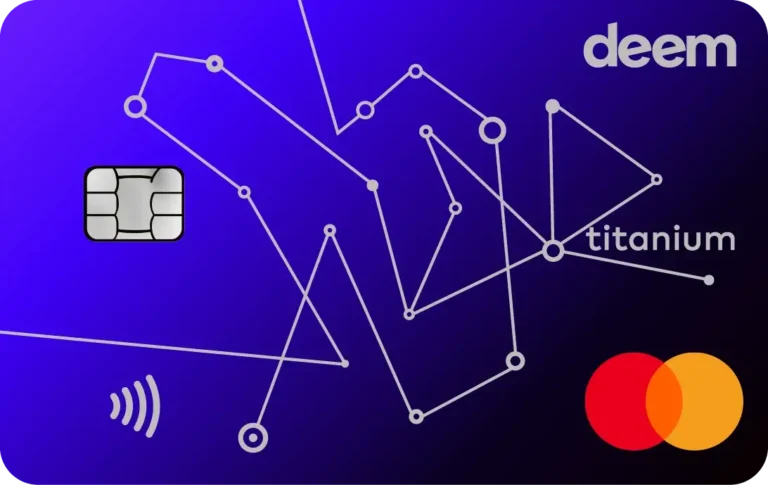
Wio Business Credit Card
Wio Bank is incorporated in Abu Dhabi and regulated by the Central Bank of the UAE. It presents its business credit card alongside business loans and a line of credit, and advertises up to 60 days of interest-free credit. For a newer company that prefers managing everything from an app, it is one of the more accessible routes into credit. Limits, fees and eligibility are set by the bank and change, so check Wio’s current fee schedule and key facts statement before applying.
Other Banks Worth Asking
Large lenders such as First Abu Dhabi Bank, Mashreq, ADCB and RAKBANK also serve business owners. Their business card terms shift with campaigns and customer segments, so request the current key facts statement instead of relying on a roundup. Mention your turnover, trading history and existing banking relationship, because relationship banking still influences limits at traditional banks.
Prepaid and Spend-Management Cards
Several UAE fintech platforms issue prepaid corporate cards through licensed card issuers. You load funds, set limits per cardholder or category, and match receipts to transactions. There is no credit line, so there is no float and typically no repayment history to build. They suit teams that mainly need control and tidy records, and they pair well with a bank-issued card rather than replacing it. Always check who the licensed issuer is, since the platform itself may not be a bank.
At a Glance
| Option | Type | Credit line? | Published fee signal | Suits | Ask before applying |
|---|---|---|---|---|---|
| Emirates NBD Business Credit Card | Unsecured | Yes | AED 787.50 to 1,050 a year (incl. VAT); 3.25% monthly finance charge | Established firms with steady spend | Is liability on the company, the owner, or both? |
| ADIB Business Covered Card | Covered, Islamic | Limit backed by your cash cover | AED 400 (Gold) or 800 (Platinum) from year two | Existing ADIB business customers | How is the cover held, and when is it released? |
| Wio Business credit card | Digital bank | Yes | See Wio’s current schedule | Newer, app-first companies | What limit and interest-free period apply today? |
| Prepaid spend card | Fintech | No | Varies by platform | Teams needing spend controls | Which licensed issuer stands behind the card? |
How to Choose the Right Card for Your Business
Start with your company’s age. A business with a short trading record will find unsecured cards harder to get, so a covered card or a digital-bank card is the realistic first step. Once you have a year or two of clean bank statements, the conversation with a traditional bank gets easier.
Next, look at how you spend. If most spending is software, advertising and supplier payments, a straightforward card with a long interest-free window and low fees beats a rewards-heavy one. If you travel often, lounge access and miles can offset a higher annual fee, but only if the spend is real. Owners who need Sharia-compliant products should begin with Islamic banks and Islamic windows.
Then consider your team. If several people spend company money, supplementary cards with individual limits, or a prepaid card with per-user controls, reduce the risk of one bad month. Finally, be honest about repayment habits. If you sometimes carry a balance, the finance charge matters more than any reward rate.
What a Business Card Really Costs
The annual fee is the smallest part of the bill for owners who carry balances. Take an illustrative example. You pay a AED 20,000 supplier invoice by card and leave it unpaid for one month. At a 3.25% monthly finance charge, that costs AED 650. A 1% reward on the same AED 20,000 would earn AED 200. In other words, one month of interest erases several months of rewards.
Other published charges deserve a look. Emirates NBD’s price guide lists a cash advance fee of 3.15% or AED 103.95, whichever is higher, plus an over-limit fee of AED 292.95. Published consumer fee sheets from large UAE banks also set the minimum monthly payment at 5% of the balance, with a floor of AED 100 at FAB. Business cards may differ, so confirm the terms on yours. And FAB’s materials warn that missing the minimum payment can affect the credit rating reported to AECB.
Step-by-Step: How to Get a Business Credit Card
- Check your records. Review your personal AECB report and, if relevant, your company’s commercial report, and fix errors first.
- Gather documents. Trade licence, memorandum of association, signatory passports and Emirates IDs, and recent business bank statements.
- Shortlist two or three issuers. Match them to your company’s age and spending pattern, not to the biggest advertised reward.
- Request the key facts statement. Compare finance charges, fees, liability terms and cash advance rules side by side.
- Apply and respond quickly. Banks may ask for extra documents, and delays usually come from missing paperwork.
- Set controls on day one. Assign limits to supplementary cards, switch on alerts, and decide who reconciles statements each month.
Common Mistakes to Avoid
- Paying only the minimum and treating the card as a loan. The finance charge compounds quickly.
- Letting staff use one shared card with no individual limits or receipts.
- Applying to several banks in a short window, which leaves multiple enquiries on your credit file.
- Choosing a card for its rewards before checking liability terms and fees.
- Mixing personal purchases back onto the business card, which undoes the main benefit.
Managing a Business Card Well
Treat the card as a cash-flow tool, not extra revenue. Pay the full statement balance each month, and keep a calendar reminder for the due date. Reconcile every transaction against an invoice or receipt within the same month, because chasing paperwork months later is where records fall apart.
Keep subscriptions and recurring supplier payments on the business card, so renewals do not land on personal accounts. Review supplementary card limits quarterly, and cancel cards for staff who have left. If your card allows cash advances, avoid them: the fee and the monthly finance charge make them one of the costliest ways to borrow.
What Is Changing: The Outlook for Business Cards in the UAE
The market is moving toward faster, data-led decisions. Digital banks such as Wio now package cards with business accounts, loans and credit lines in one app, and fintech platforms keep adding spend controls and receipt matching. Traditional banks are responding with digital onboarding and relationship-based offers. Expect more products that assess your real transaction history rather than only audited accounts, and expect fee schedules to keep changing. Whatever the headline offer, the questions stay the same: who is liable, what does it cost if you carry a balance, and how clean will your records be at year-end?
FAQs
Can I use a personal credit card for my business in the UAE?
You can, but it is rarely wise. Some card agreements restrict use to personal spending, and mixing transactions makes audits, VAT claims and expense tracking harder. A dedicated business card keeps the records clean and separates company debt from your own.
What is the best credit card for business owners in the UAE?
There is no single best card. Established companies with steady spend often suit a bank-issued card such as Emirates NBD’s, newer companies may prefer a digital-bank or covered card, and teams focused on control may add a prepaid card. Match the product to your company’s age, spending and repayment habits.
Do I need a trade licence to get a business credit card?
Yes. Banks issue business cards against a valid trade or professional licence, along with company documents and signatory identification. Requirements differ by bank, so ask for the full checklist before applying.
What is a covered business credit card?
A covered card has a limit backed by a cash deposit you place with the bank. It suits owners with limited trading history or those who prefer an Islamic structure. Remember that your cash is tied up, and ask how and when it is released.
Will a business credit card affect my personal credit score?
It can. UAE institutions report to AECB monthly, and the effect depends on whether the facility is in the company’s name, yours, or both. Ask the bank how it is recorded. Late payments can damage the reported record either way.
How much does a business credit card cost in the UAE?
Costs vary by issuer. Emirates NBD’s price guide lists annual fees of AED 787.50 to 1,050 including VAT and a 3.25% monthly finance charge, while ADIB’s covered cards list AED 400 or 800 from the second year. Always check the current fee schedule.
Is there a Sharia-compliant business credit card in the UAE?
Yes. ADIB markets its Business Covered Cards as Islamic Visa cards, and other Islamic banks and windows offer similar structures. Confirm the product’s Sharia governance and fee structure with the bank directly.
How long does approval take?
It varies. Digital banks often decide faster than branch-led banks, but timelines depend on how complete your documents are and how the bank assesses your credit. Banks rarely guarantee a fixed turnaround, so ask for an estimate when you apply.
Can I add employee cards to a business credit card?
Usually yes. Emirates NBD lists supplementary card issuance as free, and ADIB’s covered cards include four free supplementary cards. Set individual limits and review them regularly.
Are there business credit cards with no annual fee?
Some offers waive fees in the first year. ADIB’s schedule shows its covered cards free in year one, for example. Others waive fees against spend targets. Confirm what happens after the promotional period ends.
Conclusion
A business credit card is one of the simplest upgrades a UAE owner can make. It separates company spending from personal finances, gives you a short window of float, and builds a record that lenders can see. The right choice, though, depends less on the loudest reward and more on three plain questions: how old is your company, how do you really spend, and do you pay in full each month?
Start by checking your credit records and gathering your documents. Ask two or three issuers for their current key facts statements, compare fees and liability terms, and pick the card that fits your habits. Do that, and the card works for the business instead of the other way around.

Sara is a UAE-based banking and accounting expert with over 4 years of professional experience in the financial sector. Her expertise spans retail banking, financial reporting, compliance, and practical money management topics relevant to individuals and businesses in the UAE.
She contributes clear, accurate, and well-researched financial content, simplifying complex banking and accounting concepts for everyday readers. Sara’s writing reflects strong industry knowledge, regulatory awareness, and a commitment to financial accuracy and transparency.