Downtown Dubai Area Guide 2026: Attractions, Hotels, Living and Travel Tips
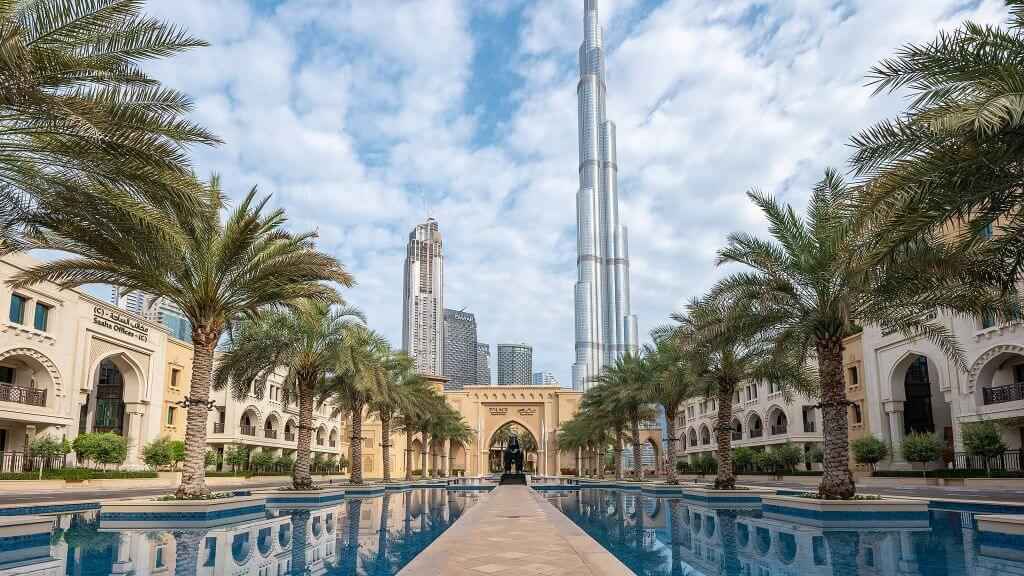
Downtown Dubai is the single district most visitors picture when they imagine the city: the Burj Khalifa piercing the skyline, the Dubai Fountain dancing across a man-made lake, and The Dubai Mall stretching for miles beneath it all. Built around Sheikh Mohammed Bin Rashid Boulevard, this 500-acre development has become the emirate’s commercial, cultural and architectural centerpiece since the Burj Khalifa’s 2010 opening. Whether you’re planning a short city break, deciding where to stay, or researching whether to invest in Downtown Dubai real estate, this guide covers everything you need: attractions, neighborhoods, hotels, dining, transport, costs, and the practical details competitors leave out.
Quick answer: Downtown Dubai is a master-planned urban district in central Dubai built around the Burj Khalifa, the Dubai Fountain and The Dubai Mall. It combines residential towers, five-star hotels, retail, dining and entertainment, and is widely regarded as Dubai’s most prestigious and walkable neighborhood for both tourists and residents.
What Is Downtown Dubai? Definition and Background
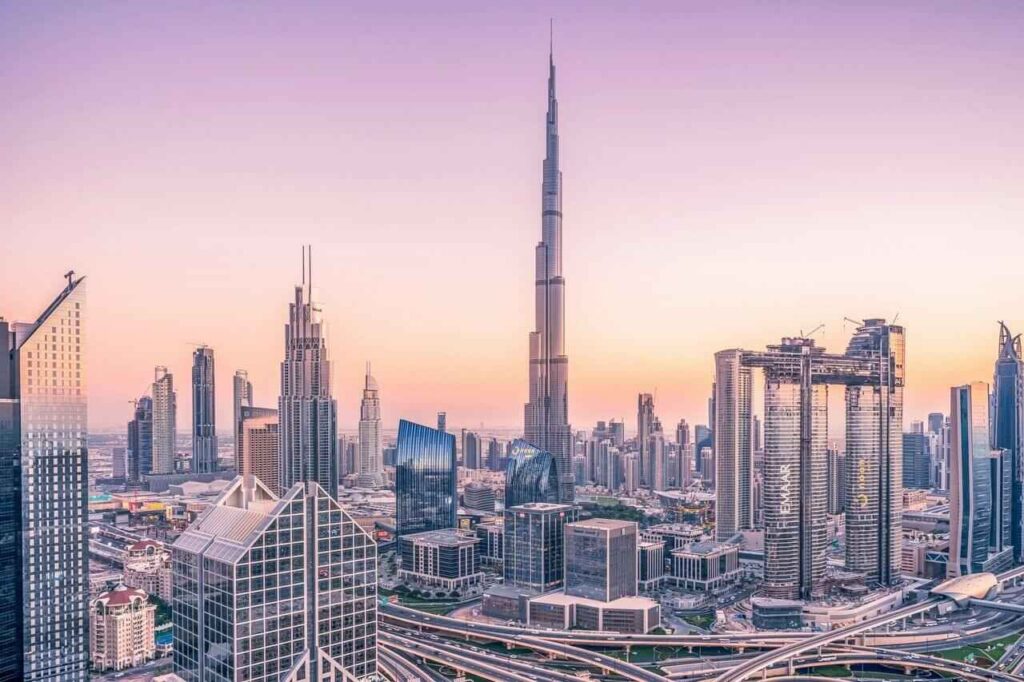
Downtown Dubai, sometimes called “The Centre of Now,” is a purpose-built district developed primarily by Emaar Properties starting in the early 2000s. Unlike Dubai’s older trading districts such as Deira or Bur Dubai, which grew organically around Dubai Creek, Downtown Dubai was conceived as a single master plan: a vertical, walkable city center anchored by the world’s tallest building.
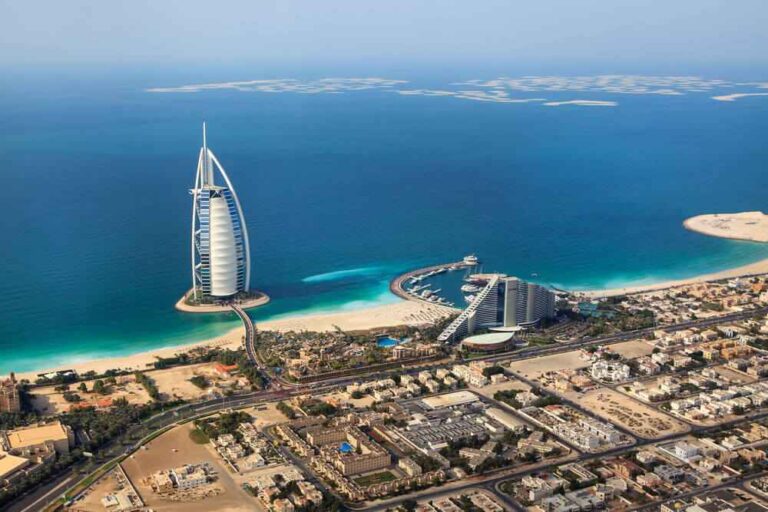
The district sits between Sheikh Zayed Road and Al Khail Road, bordering Business Bay to the east and Jumeirah to the west. Its construction coincided with Dubai’s rapid 2000s expansion, and the opening of the Burj Khalifa in January 2010 cemented the area as the emirate’s new symbolic heart, taking over that role from older landmarks like the Burj Al Arab.
Today, Downtown Dubai functions as three things at once: a tourist destination, a luxury residential community, and a business hub, which is precisely why it ranks so highly in both “things to do” and “where to live” searches.
Key Attractions in Downtown Dubai
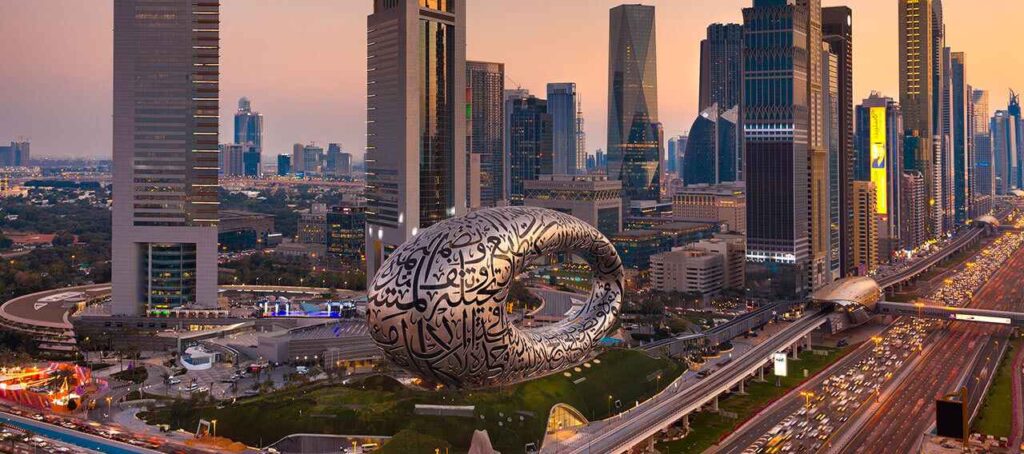
Burj Khalifa
The Burj Khalifa is the tallest structure on Earth, standing at 828 meters with 163 floors. Visitors can ascend to observation decks on the 124th, 125th and 148th floors (the latter, called At the Top Sky, is the highest observation deck in the world). Tickets are timed and should be booked in advance, especially for sunset slots, which sell out fastest. The building also houses the Armani Hotel Dubai and the At.mosphere restaurant on the 122nd floor.
The Dubai Mall
The Dubai Mall is the world’s largest shopping mall by total land area and one of the most visited retail and leisure destinations globally. Beyond luxury retail from brands like Cartier and Harry Winston, it contains the Dubai Aquarium & Underwater Zoo, home to over 33,000 marine animals including sharks, stingrays and giant groupers, with a tunnel allowing visitors to walk beneath one of the largest suspended aquarium tanks in the world. Other highlights include an Olympic-size ice rink, KidZania, VR Park, and a vast food and dining concourse.
The Dubai Fountain
Set on the 30-acre Burj Khalifa Lake, the Dubai Fountain is a choreographed water show featuring jets that shoot up to 150 meters in sync with music and lights, drawing comparisons to the Bellagio fountains in Las Vegas. Shows run every 30 minutes in the evening and are free to watch from the boardwalk, Burj Park, or Souk Al Bahar.
Dubai Opera
Opened in 2016, Dubai Opera is a 2,000-seat, dhow-shaped performing arts venue hosting opera, ballet, musicals, comedy and concerts. It has become a cultural anchor for the district and a strong example of Downtown Dubai’s push beyond shopping and skyscrapers into the performing arts.
Souk Al Bahar
Across the lake from The Dubai Mall, Souk Al Bahar offers a more traditional Arabian-style shopping and dining experience, with restaurants and lounges offering some of the best ground-level views of the Burj Khalifa and fountain show.
Burj Park and The Boulevard
Sheikh Mohammed Bin Rashid Boulevard and the surrounding Burj Park provide green, walkable space for joggers, families and photographers, with unobstructed views of the Burj Khalifa, making it a popular spot for both daily life and special events like New Year’s Eve fireworks.
Recommended: Jumeirah Islands
Downtown Dubai Neighborhoods and Sub-Communities
Downtown Dubai is not a single street but a collection of connected residential and commercial clusters, each with a distinct character:
- Old Town: Low-rise, Arabesque-style apartments near Burj Park, popular for their quieter, village-like atmosphere and proximity to the lake.
- Burj Khalifa District: High-rise towers directly surrounding the Burj Khalifa and The Dubai Mall, commanding the highest rents and property prices.
- The Lofts and South Ridge: Mid- to high-rise residential towers slightly removed from the main tourist flow, popular with long-term residents who want walkability without constant crowds.
- Boulevard Central and Boulevard Point: Newer towers directly on Sheikh Mohammed Bin Rashid Boulevard, mixing residential and retail at street level.
Understanding these sub-areas matters for both tourists choosing a hotel location and buyers comparing property listings, since prices and noise levels can vary significantly within the same district.
Recommended: Dubai Marina Walk
Where to Stay: Hotels in Downtown Dubai
Downtown Dubai has one of the densest concentrations of luxury hotels in the city, spanning ultra-premium to upper-midrange options.
| Hotel | Style | Best For |
|---|---|---|
| Armani Hotel Dubai | Ultra-luxury, inside Burj Khalifa | Design-focused travelers wanting a landmark address |
| The Palace Downtown | Arabian luxury | Couples and honeymooners wanting fountain views |
| Address Downtown | Contemporary luxury | Travelers wanting direct mall access |
| Anantara Downtown Dubai | Five-star, competitive pricing | Value-conscious luxury travelers |
| Vida Downtown | Boutique, mid-range | Younger travelers and design enthusiasts |
Because hotel density here is so competitive, room rates in Downtown Dubai can be more reasonable than expected relative to other five-star areas like Palm Jumeirah, particularly outside peak season (October–April).
Dining in Downtown Dubai
The district hosts everything from casual food courts to Michelin-recognized fine dining. Notable spots include At.mosphere, known for its Burj Khalifa views; Zuma, an upscale Japanese izakaya-style restaurant; and a wide range of cafés and lounges in Souk Al Bahar offering fountain-facing terraces. For travelers on a budget, The Dubai Mall’s lower-level food court and Boulevard-side cafés provide more affordable alternatives without sacrificing the skyline backdrop.
Things to Do With Family in Downtown Dubai
Downtown Dubai is well suited to families, not just couples or business travelers. KidZania at The Dubai Mall lets children role-play various jobs in a child-sized city, while VR Park offers immersive virtual reality rides and games, and the Dubai Ice Rink provides climate-controlled ice skating for all ages. Combined with the free Dubai Fountain shows each evening, families can build a full day of activities without leaving the district.
Recommended: Jumeirah Village Circle
Living in Downtown Dubai: Cost, Lifestyle and Real Estate
For residents and investors, Downtown Dubai represents one of the city’s premium addresses. Apartments range from studios in The Lofts to multi-bedroom penthouses overlooking the Burj Khalifa. Rental and purchase prices here typically sit above the Dubai average due to the location’s prestige, walkability, and proximity to Dubai’s main business and tourism hub. Service charges also tend to be higher than in newer, less central communities, reflecting the maintenance of shared facilities, landscaping and 24/7 security.
Trade-offs to weigh before renting or buying in Downtown Dubai include:
Advantages: Walkable access to world-class retail and dining, strong rental demand and resale value, proximity to Business Bay and DIFC, year-round events calendar.
Disadvantages: Higher cost of living relative to outer districts, heavy tourist traffic and parking congestion during peak season, noise around event dates such as New Year’s Eve.
Getting To and Around Downtown Dubai
The Dubai Metro’s Burj Khalifa/Dubai Mall station on the Red Line is the most convenient public transport option, connected to the mall via an air-conditioned walkway. Taxis and ride-hailing apps such as Careem and Uber are widely available, and the district is highly walkable once you’re inside it, with shaded boulevards and tunnels connecting major landmarks. Driving is possible but parking can be limited and expensive during peak tourist hours, particularly around fountain show times in the evening.
Best Time to Visit Downtown Dubai
November to March offers sunny, pleasant weather ideal for sightseeing in Downtown Dubai, making it the peak season for tourism and corresponding higher hotel rates. Visitors looking for lower prices and fewer crowds, and who can tolerate higher temperatures, should consider the summer months instead. For the best fountain show experience, arrive at Burj Park or Souk Al Bahar around sunset, when lighting conditions make the show, and the Burj Khalifa backdrop, most dramatic.
Common Mistakes Visitors Make in Downtown Dubai
Many first-time visitors underestimate distances within The Dubai Mall, which can require 20–30 minutes to walk end to end. Others book Burj Khalifa tickets on arrival rather than in advance, missing sunset slots that sell out days ahead. A third common mistake is assuming all of Downtown Dubai is within walking distance of the Metro station; some residential clusters, such as South Ridge, require a short taxi ride or extended walk.
Future Outlook for Downtown Dubai
Downtown Dubai continues to evolve, with Emaar regularly adding new retail concepts, dining venues and cultural programming to maintain the district’s status as the city’s flagship destination. As Dubai’s broader skyline expands with new developments in Business Bay and along the Dubai Water Canal, Downtown Dubai’s role as the symbolic and architectural anchor of the city is expected to remain unchanged, supported by continued tourism growth and sustained residential demand.
FAQs
What is Downtown Dubai known for?
Downtown Dubai is known for hosting the Burj Khalifa, The Dubai Mall and the Dubai Fountain, making it the city’s most visited and recognizable district.
Is Downtown Dubai walkable?
Yes. The district is built around pedestrian boulevards and shaded walkways connecting the Burj Khalifa, The Dubai Mall, Souk Al Bahar and Dubai Opera.
How much does it cost to visit Burj Khalifa?
Prices vary by floor and time slot, with sunset and 148th-floor tickets costing significantly more than standard daytime entry. Booking in advance online is cheaper than walk-up purchase.
What is the best time to watch the Dubai Fountain show?
Evening shows after sunset offer the most dramatic lighting, with performances running roughly every 30 minutes.
Is Downtown Dubai good for families?
Yes. Attractions such as KidZania, VR Park, the Dubai Ice Rink and the Dubai Aquarium make it well suited to family visits.
How do I get to Downtown Dubai from Dubai International Airport?
The Dubai Metro Red Line connects to Downtown Dubai via the Burj Khalifa/Dubai Mall station, or visitors can take a taxi, typically a 15–20 minute ride depending on traffic.
Is Downtown Dubai expensive to live in?
Generally yes. Rents and property prices in Downtown Dubai sit above the Dubai average due to its central location and prestige, though prices vary across its sub-communities.
What is the difference between Downtown Dubai and Dubai Marina?
Downtown Dubai is centered on the Burj Khalifa and is more commercial and tourist-focused, while Dubai Marina is a waterfront residential district centered on a man-made marina, popular with expatriates and beach-goers.
Can you see the Burj Khalifa for free?
Yes. The exterior, Dubai Fountain shows and surrounding boulevards are free to view; only the observation decks require paid tickets.
Is Downtown Dubai safe for tourists?
Downtown Dubai is generally considered very safe, with a heavy security presence, especially around major attractions and during peak events.
What is Souk Al Bahar?
Souk Al Bahar is a traditional Arabian-style souk and dining destination located across the lake from The Dubai Mall, known for restaurants with direct fountain and Burj Khalifa views.
How many days do you need to explore Downtown Dubai?
Most visitors can cover the main highlights in one to two full days, though those wanting to enjoy dining, shopping and shows at a relaxed pace may prefer three.
Conclusion
Downtown Dubai earns its reputation as the city’s defining district by combining record-breaking architecture, world-class retail, cultural venues and a genuinely walkable urban layout rarely found elsewhere in the emirate. Whether you’re visiting for a few days, choosing a hotel base, or evaluating it as a place to live or invest, the area rewards planning: book Burj Khalifa tickets early, time your fountain show visit for sunset, and decide which sub-community fits your budget and noise tolerance before booking a stay. As Dubai continues to grow, Downtown Dubai remains the benchmark against which every other district in the city is measured.

Usman Ali is a full-time content writer and financial specialist with over 6 years of experience living and working in the UAE. He focuses on business finance, insurance, investments, and corporate financial strategies, delivering authoritative content tailored to entrepreneurs and professionals.
Ali combines in-depth industry research with practical insights, helping readers understand complex financial and insurance topics in a simple, actionable way. His content is designed to build trust, authority, and long-term value for business-focused audiences.