Jumeirah 1 Dubai: The Complete Area Guide for 2026
Jumeirah 1 is a prestigious coastal residential district in Dubai, located along the Arabian Gulf between Al Badaa to the south and Al Mina to the east. Known for its spacious villas, tree-lined streets, La Mer beachfront, and Jumeirah Mosque, it is one of Dubai’s most established and sought-after addresses, offering a refined blend of heritage, community living, and modern urban convenience.
Why Jumeirah 1 Remains Dubai’s Most Enduring Address
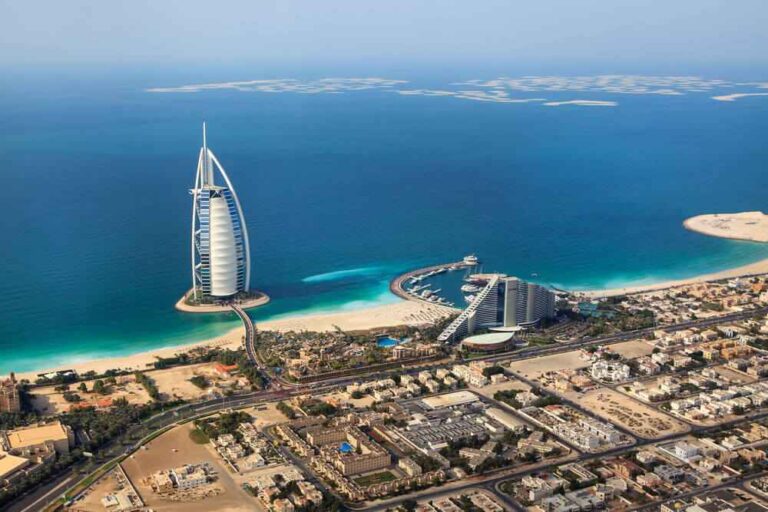
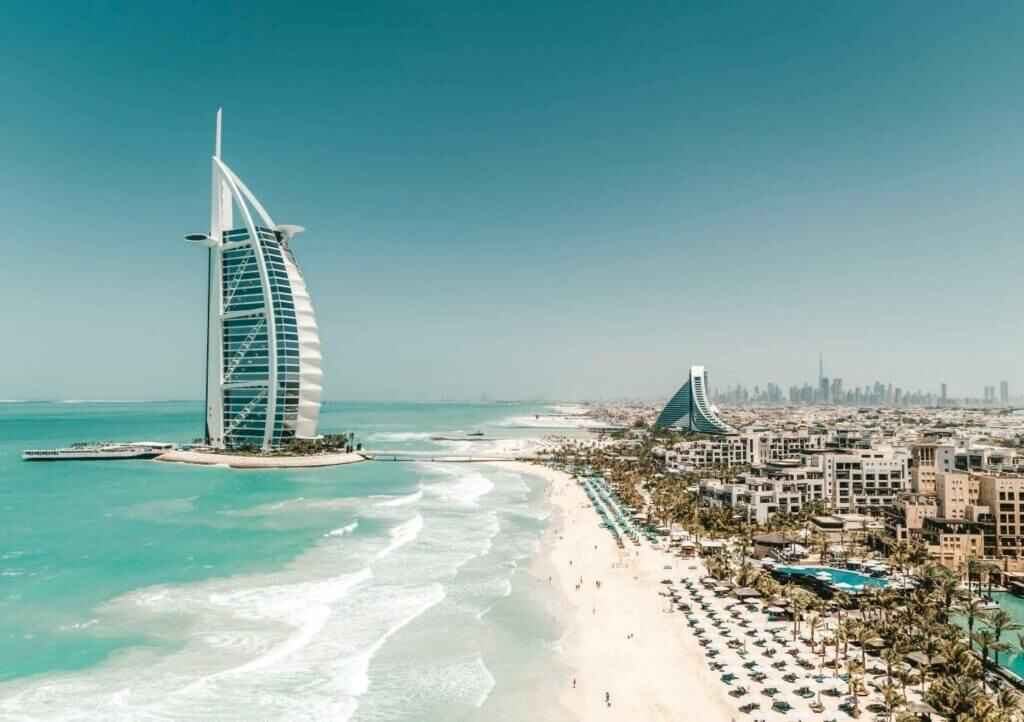
If you’ve ever stood on the Jumeirah coastline at dusk and watched the Arabian Gulf turn amber behind the sail-shaped silhouette of the Burj Al Arab, you already understand the quiet power of this district. Jumeirah 1 is not just a neighbourhood – it is a living statement about what Dubai has always aspired to be: a place where old-world warmth meets world-class infrastructure.
Situated at the northern end of the wider Jumeirah coastal belt, Jumeirah 1 is the most commercially active of the three Jumeirah sub-districts. It is the gateway to La Mer, the neighbourhood home to Jumeirah Mosque, the epicentre of Jumeirah Beach Road’s boutique culture, and the address of choice for long-established expatriate families, GCC nationals, and discerning professionals. In 2026, it is also one of Dubai’s most transforming areas, with a AED 355 million government-led beach revitalisation reshaping its 1.4 km coastline and cementing its status as a premier global residential community.
This guide covers everything you need to know – from history and geography to real estate, schools, dining, transport, and investment potential – to make an informed decision about living in, visiting, or investing in Jumeirah 1.
Understanding Jumeirah 1: Geography, Boundaries, and Identity
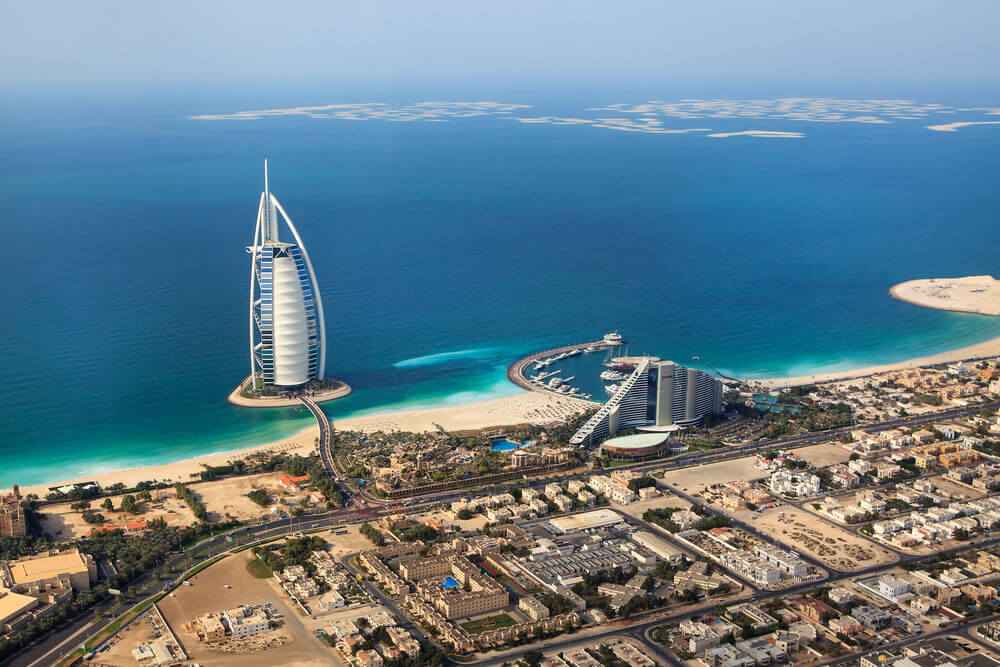
Where Is Jumeirah 1 Located?
Jumeirah 1 occupies the northernmost section of the Jumeirah coastal district, stretching along Dubai’s western shoreline. Its boundaries are defined as follows:
- East: Al Mina district and Al Diyafah Street (D73)
- West: Jumeirah 2 (separated by Al Urouba Street)
- South: Al Badaa neighbourhood
- North: Bur Dubai
This positioning is strategically significant. Jumeirah 1 sits precisely between Old Dubai – with its heritage souks, Creek, and traditional neighbourhoods – and New Dubai, including Downtown Dubai, Business Bay, and DIFC. This geographic middle ground gives residents the rare advantage of equal access to both the cultural roots and commercial core of the emirate.
The Name and Its Meaning
The word “Jumeirah” is broadly understood to mean “beautiful” in Arabic, though some linguistic references trace it to descriptions of low, flat terrain along the sea. The district grew from a modest coastal settlement of Bedouin fishermen and pearl divers into one of the world’s most recognisable residential addresses. Its expansion accelerated in the 1960s when it became home to the first wave of Western expatriates, and growth continued dramatically after Dubai’s economic transformation in the 1990s.
How Jumeirah 1 Differs from Jumeirah 2 and 3
The three Jumeirah sub-districts serve distinctly different lifestyle profiles. Jumeirah 1 is the most commercially vibrant – it contains the majority of the neighbourhood’s retail strips, coffee shops, clinics, restaurants, and government offices. Jumeirah 2 trends quieter and more family-oriented, with greater proximity to Dubai Canal and Safa Park. Jumeirah 3, the southernmost sub-district, is the most suburban and exclusive, favoured for large villas, top-tier schools, Kite Beach, and Sunset Beach access.
If you value walkability, proximity to La Mer, and a lively yet tasteful urban environment, Jumeirah 1 is your natural destination.
Community Profile: Who Lives in Jumeirah 1?
Jumeirah 1 hosts a broad cross-section of Dubai’s cosmopolitan population. Long-established British, American, and European expatriate families have called this neighbourhood home for decades, drawn by its reputable schools, beach access, and villa lifestyle. GCC nationals – particularly Emirati families – make up a significant portion of the resident population, especially in the larger villa compounds.
More recently, a new wave of high-net-worth professionals from South Asia, the Levant, and East Asia has been drawn to Jumeirah 1’s luxury apartment developments such as Port de La Mer. The area also appeals to senior executives and diplomats – several foreign consulates, including those of Romania and Germany, are based here, and the Dubai Smart Police Station serves the district.
This social diversity creates a neighbourhood culture that is simultaneously cosmopolitan and community-oriented. Residents share an appreciation for understated luxury, outdoor living, and proximity to some of Dubai’s finest public amenities.
Real Estate in Jumeirah 1: Villas, Apartments, and Market Dynamics
The Property Mix
Jumeirah 1 is predominantly a villa community. The district contains approximately 2,468 villas and 164 residential buildings, with a total of around 2,106 residential units and 87 commercial units. Villas form the character of the community, ranging from modest three-bedroom homes to sprawling five- and six-bedroom estates with private pools, landscaped gardens, and dedicated staff quarters.
Villa sizes typically fall within these ranges:
| Villa Type | Average Size |
|---|---|
| 3-Bedroom Villa | ~3,000 sq. ft. |
| 4-Bedroom Villa | ~4,000 sq. ft. |
| 5-Bedroom Villa | ~5,500 sq. ft. |
| Large Estate | Up to 14,000 sq. ft. |
Apartments are also available, primarily in smaller residential buildings and newer waterfront developments. Studio apartments begin at around 275 sq. ft., while larger two- and three-bedroom apartments can reach 1,700 sq. ft. and beyond. At the premium end, Port de La Mer – a waterfront development within La Mer – offers luxury residences with marina access and direct promenade connectivity.
Recommended: Jumeirah Village Circle
Ownership Restrictions: An Important Consideration
One of the most significant factors for international buyers to understand is that Jumeirah 1 is largely a non-freehold area. Foreign nationals are generally not permitted to purchase property here, as ownership is restricted to GCC nationals and UAE citizens. This places Jumeirah 1 in a unique category: despite being one of Dubai’s most desirable locations, it remains relatively insulated from speculative international investment.
The primary exceptions are specific freehold developments within Jumeirah 1’s boundaries – notably properties within La Mer, including Port de La Mer apartments, which are open to international buyers. These developments have attracted significant investor attention precisely because they offer the Jumeirah 1 lifestyle within a freehold framework.
Rental Market 2025–2026
Because ownership is restricted, the rental market is particularly active. Jumeirah apartments for rent rank among Dubai’s premium addresses, with average rental rates sitting approximately 20% higher than the Dubai average at around AED 126,000 per year. One-bedroom units typically rent for AED 165,000, while three-bedroom apartments average AED 460,000 to AED 850,000 annually.
For villas, rental prices in Jumeirah 1 typically range from AED 200,000 to AED 500,000 annually, depending on the villa’s size, location, and features. Many villas are available fully furnished, offering immediate move-in convenience.
The broader Dubai rental market context is relevant: after a sustained period of strong rental growth, 2026 is shaping up to be more balanced, with continued demand but a less aggressive pace of price increases in many areas. For Jumeirah 1 specifically, the combination of restricted supply and growing demand from the La Mer redevelopment is sustaining rental values at elevated levels.
Investment Outlook and ROI
For freehold properties within Jumeirah 1 (primarily La Mer developments), investment fundamentals are compelling. From early 2025, rental rates in the Jumeirah area began climbing more consistently, crossing AED 100 per sq. ft. by July 2025 – the highest point in recent years. This steady rise signals growing tenant demand and reduced vacancy rates.
The average ROI across all property types in the broader Jumeirah area is approximately 5.01%, with 1-bedroom apartments achieving the highest ROI at 7.39%. For investors, proximity to the completed J1 Beach development and the newly upgraded public beach infrastructure is expected to sustain capital appreciation through 2026 and beyond.
The Jumeirah 1 Beach Transformation: A AED 355 Million Government Investment
One of the most significant developments shaping Jumeirah 1 in 2025–2026 is a landmark infrastructure project that most existing area guides have not fully covered.
Dubai has announced the awarding of contracts to develop Al Mamzar and Jumeirah 1 beaches in a 5.7-kilometre project costing AED 355 million. The development is designed to reshape and enhance the infrastructure of the beaches, creating a new recreational tourism destination for beachgoers, water sports enthusiasts, and night swimmers.
The project spans 5.7 km, with 1.4 km specifically focused on Jumeirah 1. The two projects were slated for completion within 18 months and mark a significant shift in beach design.
The upgrades to Jumeirah 1 Beach include:
- High-tech safety deposit boxes, Wi-Fi, and electronic screens
- Advanced AI-assisted beach rescue services
- Over 100 modern cameras linked to Dubai Municipality and Dubai Police control rooms
- Dedicated parking for 1,400 cars and buses, including EV charging stations
- Integrated drinking water stations and modern automatic irrigation systems
- Enhanced green spaces and recreational areas
Dubai’s eight public beaches — including Jumeirah 1 — have received Blue Flag certification for five consecutive years, meeting international standards for marine water quality, environmental education, management, public safety, and services.
This investment, aligned with the Dubai Economic Agenda D33, Dubai Urban Plan 2040, and the Dubai Quality of Life Strategy 2033, signals the government’s long-term commitment to positioning Jumeirah 1 as a world-class coastal residential address.
La Mer: Jumeirah 1’s Lifestyle Centrepiece
La Mer is arguably the single development that has most transformed Jumeirah 1’s international profile over the past decade. La Mer was built upon 13.4 million square feet of existing and reclaimed land in Jumeirah 1. Developed by Meraas, it created almost 2.5 kilometres of new beaches along with shopping, dining, and entertainment areas. The first phase opened on 15 October 2017, comprising La Mer North and La Mer South with over 130 shops, cafés, restaurants, and beach activities.
J1 Beach: La Mer’s Next Chapter
The southern section of La Mer has been transformed into J1 Beach — an ultra-premium beachfront concept developed by Merex Investment Group. J1 Beach introduces a world-class hospitality and dining lineup of 13 venues, including international names such as Gigi Rigolatto, Bâoli, Sirene Beach by Gaia, Gitano, Almayass by the Sea, and African Queen, each offering direct beach access, landscaped terraces, and a seamless day-to-night experience.
This transformation mirrors a broader Dubai trend: coastal living as both a lifestyle choice and an investment strategy. With its prime Jumeirah location, La Mer offers a beachside environment just minutes from the city’s key business and leisure hubs.
Solaya at La Mer: The New Residential Benchmark
Among the most anticipated developments within La Mer is Solaya. Solaya at La Mer, developed by Meraas in partnership with Brookfield Properties, offers 2- to 5-bedroom apartments and spacious penthouses ranging from 1,829 to 8,120 sq. ft. The freehold development is built across 46 acres, featuring nine elegant low-rise towers with 234 homes. Resort-style amenities include infinity pools, private beach access, and wellness experiences. Starting prices begin at AED 11,000,000 with a projected handover in Q1 2028.
Jumeirah Mosque: The Cultural Heart of the Community
No area guide to Jumeirah 1 is complete without discussing its most recognisable landmark. The Jumeirah Mosque is one of the finest examples of Fatimid architectural style in the UAE, constructed from white stone with twin minarets and an intricately decorated central dome.
What makes the Jumeirah Mosque uniquely significant — and what most area guides underemphasise — is that it is one of the very few mosques in Dubai that actively welcomes non-Muslims. The Sheikh Mohammed Centre for Cultural Understanding (SMCCU) operates guided tours that include explanations of Islamic prayer, the five pillars of Islam, and Emirati traditions. These tours have become one of Dubai’s most highly recommended cultural experiences for residents and tourists alike, often cited as transformative by participants from all backgrounds.
For families living in Jumeirah 1, the mosque represents far more than a beautiful structure on their street — it is an active bridge between cultures in a genuinely diverse neighbourhood.
Schools in Jumeirah 1: Education for Every Stage
Jumeirah 1 and its immediate surroundings offer some of Dubai’s most respected educational institutions, covering a wide range of curricula and age groups.
British Curriculum Schools
Several well-established British system schools serve the Jumeirah 1 catchment area, with many having decades of history in the community. Facilities vary from purpose-built campuses to newer institutions offering International Baccalaureate alongside British GCSE and A-Level programmes.
American and International Schools
American curriculum schools are also represented in the area, catering to the large American and internationally mobile expatriate community that has traditionally favoured Jumeirah 1.
Nurseries and Early Years
The community has numerous nurseries offering British Early Years Foundation Stage (EYFS), Montessori, and internationally recognised pre-school programmes, making Jumeirah 1 particularly attractive to young families who want educational continuity from nursery through secondary school.
The density and quality of schools in this area is one of the primary reasons families continue to choose Jumeirah 1 despite its premium rental and property prices.
Healthcare in Jumeirah 1: World-Class Medical Facilities
Jumeirah 1 residents benefit from proximity to some of Dubai’s leading healthcare providers.
Emirates Hospital on Jumeirah Beach Road is a prominent private hospital with a long-standing reputation in the community. It provides emergency care, specialist consultations, diagnostics, and surgical services to residents across the Jumeirah corridor.
In addition to the hospital, the community is densely served by private medical clinics, dental practices, and specialist centres — particularly along Jumeirah Street and Al Wasl Road. Aesthetic and dental clinics are especially well-represented, reflecting the lifestyle profile of the resident demographic. Pharmacies are within walking distance in virtually every part of the neighbourhood.
Transportation and Connectivity
By Car
Jumeirah 1’s road network connects residents to Dubai’s major arteries with remarkable efficiency.
- Al Diyafah Street (D73): Runs between Al Mina and Jumeirah 1, connecting the community to central areas including Zaabeel, Oud Metha, and Al Karama
- Al Wasl Road (D92): The primary north-south arterial road running through the heart of the community
- Jumeirah Beach Road (D94): The iconic coastal road, home to the community’s most distinctive retail and dining strip
- Financial Centre Road / Al Satwa Road (20th Street): Provides direct access to Downtown Dubai, Business Bay, and DIFC — typically a 10–15 minute drive in normal traffic
From Jumeirah 1, it takes roughly 10 minutes to drive to Dubai Mall, 23 minutes to Palm Jumeirah, 21 minutes to Burj Al Arab, and 26 minutes to The Walk JBR. Dubai International Airport (DXB) is approximately 19 minutes away.
By Public Transport
While Jumeirah 1 does not have a direct metro station — a commonly cited limitation — bus connectivity is solid. Routes 8, 81, 88, C10, N55, and others run through the community, connecting residents to metro stations on Sheikh Zayed Road. The Business Bay and Burj Khalifa/Dubai Mall metro stations are accessible by a short drive or taxi ride.
RTA’s app-based services, careem, and Uber are widely used by residents for last-mile connectivity.
Parking
Most residential properties include dedicated parking in the form of private garages, car porches, or basement facilities. Commercial and community facilities generally provide large dedicated car parks. On-street parallel parking bays are available throughout the neighbourhood for visitors and short-term use.
Shopping in Jumeirah 1: Where Local Boutiques Meet Global Brands
Jumeirah 1’s retail landscape is one of its most distinctive features — and one that sets it apart from Dubai’s mall-centric residential communities.
Jumeirah Beach Road and Al Wasl Road
Two main roads, Jumeirah Street and Wasl Road, run through the district from north to south and are both lined with a wide variety of independent stores, boutiques, coffee shops, and restaurants, as well as numerous aesthetic and dental clinics. This strip has more in common with a European high street than a typical Dubai commercial zone, offering a genuinely walkable retail experience rare in the emirate.
Mercato Shopping Mall
Mercato Shopping Mall is the community’s primary enclosed shopping destination. Designed in a Tuscan architectural style, Mercato brings together international fashion brands, a Spinneys supermarket, a cinema, and food and beverage outlets within a distinctive setting. It remains a community anchor and is particularly popular with families.
La Mer Retail and Dining
La Mer’s retail offering spans over 130 outlets across The Wharf, La Mer North, and La Mer South / J1 Beach. La Mer beach is located in Jumeirah 1, between Jumeirah Bay and Pearl Jumeirah. Entry to the public beach is free, and the beach is open from 10:00 am to 10:00 pm Sunday through Wednesday and until midnight Thursday through Saturday.
The Wharf section features an industrial-chic aesthetic and hosts street food vendors, artisan products, and entertainment attractions. La Mer North focuses on restaurants, cafés, and casual retail. J1 Beach at La Mer South is the premium nightlife and fine dining destination.
Supermarkets and Daily Essentials
Residents are well served by Spinneys and Waitrose outlets in the immediate area, alongside smaller Carrefour Express stores and local grocers. The density of convenience-oriented retail throughout Jumeirah 1 means daily errands are genuinely accessible without requiring long drives.
Dining and Nightlife: A World on Your Doorstep
Jumeirah 1 contains some of Dubai’s most beloved dining institutions alongside exciting new openings at J1 Beach and La Mer.
The community’s restaurant scene balances heritage and innovation. Long-established Lebanese, Persian, and Emirati restaurants sit alongside Michelin-starred concepts, Japanese omakase counters, artisan coffee roasters, and casual all-day cafés. The Jumeirah Beach Road strip is particularly strong for independent and chef-driven concepts that would look at home in Notting Hill or the Marais.
At J1 Beach, international dining names including Gigi Rigolatto, Bâoli, Sirene Beach by Gaia, Gitano, Almayass by the Sea, and African Queen each offer direct beach access, landscaped terraces, and a seamless day-to-night experience.
For everyday dining, the community’s numerous bakeries, traditional Emirati cafeterias, and casual international eateries mean residents need never travel far for a satisfying meal.
Leisure, Recreation, and Community Life
Beaches
Jumeirah 1’s coastline is the neighbourhood’s greatest natural asset. Jumeirah’s 9 km long beach is widely considered the best in Dubai, and the district’s prime location between Old and New Dubai places it in the premier league of places to live. The public beach at Jumeirah 1 is free to access and well-maintained, with the government’s AED 355 million investment now delivering world-class infrastructure.
La Mer Beach, within the community, adds a curated beachfront experience with sunbeds, beach clubs, water sports rentals, and a vibrant surrounding atmosphere.
Parks and Green Spaces
Safa Park, while technically adjacent rather than within Jumeirah 1, is the community’s primary park destination and one of Dubai’s largest and most popular green spaces. It features jogging tracks, sports courts, cycling paths, barbecue areas, and paddle boat facilities on its central lake.
Several smaller pocket parks and public gardens are distributed throughout the neighbourhood, supporting the community’s outdoor lifestyle.
Fitness and Wellness
Jumeirah 1 has a strong fitness culture. The community supports numerous independent gyms, CrossFit boxes, yoga and Pilates studios, and wellness centres. Several hotel fitness facilities — particularly at the Jumeirah Beach Hotel — are accessible to non-guests through membership programmes. The beach itself functions as a natural outdoor gym, with sunrise and sunset running culture deeply embedded in the community.
Water Sports
Proximity to the Arabian Gulf makes water sports a year-round activity for residents. Jet skiing, paddleboarding, kite surfing, kayaking, and snorkelling are all available from multiple operators along the Jumeirah 1 coastline and at La Mer Beach.
Nearby Landmarks and Attractions
Jumeirah 1 residents are within a short drive of many of Dubai’s most iconic destinations:
Burj Al Arab — The world’s most recognisable hotel and a symbol of Dubai’s ambition, approximately 21 minutes from Jumeirah 1. Afternoon tea and dinner reservations make this accessible even for non-hotel guests.
Wild Wadi Waterpark — Adjacent to the Jumeirah Beach Hotel, Wild Wadi is one of the UAE’s most popular family water parks, ideal for weekend outings with children.
Madinat Jumeirah — This sprawling resort complex adjacent to the Burj Al Arab contains multiple hotels, a souk, waterway abra rides, cinemas, and some of Dubai’s finest fine dining restaurants.
Dubai Frame — The architectural marvel connecting Old Dubai to New Dubai stands approximately 15 minutes away in Zabeel Park.
City Walk — The pedestrianised retail and lifestyle destination in Al Wasl is a natural extension of the Jumeirah 1 lifestyle, particularly popular for evening walks, café culture, and independent dining.
Government Offices and Consulates in Jumeirah 1
The presence of multiple foreign diplomatic missions reflects Jumeirah 1’s long-established expatriate community and its status as a premium residential address. The Consulate General of Romania, the Consulate General of Germany, and the Dubai Smart Police Station are all located within the community. This diplomatic presence contributes to the area’s sense of international identity and provides practical services for the large expatriate population.
The Dubai 2040 Vision and Its Implications for Jumeirah 1
The Dubai 2040 Urban Master Plan — the emirate’s long-term development blueprint — identifies coastal areas including Jumeirah as priority zones for quality-of-life enhancement. The AED 355 million beach development project is a direct product of this vision.
More broadly, the plan’s emphasis on walkable communities, green infrastructure, mixed-use development, and public beach access aligns precisely with Jumeirah 1’s existing character. Residents can expect continued investment in public space quality, transport infrastructure, and community amenities over the coming decade.
The Dubai Economic Agenda D33 — targeting a doubling of the emirate’s economy by 2033 — is also expected to sustain demand for premium residential addresses like Jumeirah 1, as the high-net-worth professionals and senior executives who drive Dubai’s economic ambitions continue to seek the district’s combination of lifestyle quality and strategic location.
Advantages and Disadvantages of Living in Jumeirah 1
Why Residents Love Jumeirah 1
- Unmatched coastal lifestyle: Free public beach access and world-class La Mer beachfront experience
- Central location: Equal proximity to Old Dubai and New Dubai business districts
- Community character: Tree-lined streets, villa living, and genuine neighbourhood feel
- Educational excellence: Dense concentration of well-regarded British and international schools
- Cultural richness: Jumeirah Mosque, diplomatic presence, and diverse community
- Retail and dining: Independent boutiques, destination restaurants, and La Mer / J1 Beach
- Government investment: AED 355 million beach transformation and ongoing infrastructure upgrades
- Safety: Low crime rate and visible Dubai Police presence
Points to Consider
- Ownership restrictions: International buyers cannot purchase most properties in Jumeirah 1, limiting investment options to specific freehold developments
- Premium pricing: Rental rates are among the highest in Dubai, reflecting the lifestyle premium
- No direct metro station: Public transport reliance requires car use or app-based taxis for most journeys
- Traffic: Peak-hour congestion on Jumeirah Beach Road and Al Wasl Road can be significant, particularly during school runs
- Limited new supply: The predominantly built-out nature of the community means limited new residential development, which sustains prices but reduces options
Tips for New Residents Moving to Jumeirah 1
Budget accurately. Rental costs, even for modest apartments, are well above the Dubai average. Include utility costs (DEWA electricity and water bills can be higher for larger villas), service charges, and a security deposit of typically 5% of annual rent.
Time your school applications early. The most sought-after schools in the Jumeirah corridor fill their year groups quickly. Begin the application process at least 12 months before you need a place.
Embrace beach culture. Many Jumeirah 1 residents start their days with sunrise beach walks or runs. It is one of the most effective ways to feel part of the community and meet your neighbours.
Explore the back streets. The most interesting restaurants, cafés, and boutiques are often on the smaller residential roads rather than the main commercial strips. Walking and exploring pays dividends.
Use the Nol card. Even without a nearby metro station, the Nol transport card works on all RTA buses. Setting one up early makes public transport seamless.
Visit Jumeirah Mosque on a cultural tour. Even residents who have lived in Dubai for years find the Sheikh Mohammed Centre for Cultural Understanding’s guided tours genuinely enlightening. It deepens your understanding of the country you’ve made home.
Frequently Asked Questions
1. What is Jumeirah 1 famous for?
Jumeirah 1 is famous for its coastal lifestyle, La Mer beachfront development, Jumeirah Mosque, tree-lined villa streets, Mercato Shopping Mall, and its central location between Old Dubai and the modern business districts. It is one of Dubai’s oldest and most prestigious residential addresses.
2. Can foreigners buy property in Jumeirah 1?
Most of Jumeirah 1 is a non-freehold area, meaning GCC nationals and UAE citizens are the primary eligible buyers. However, selected developments such as Port de La Mer within the La Mer sub-community are freehold and open to international buyers.
3. How much does it cost to rent a villa in Jumeirah 1?
Villa rental in Jumeirah 1 typically ranges from AED 200,000 to AED 500,000 per year, depending on the size, condition, and location of the property. Three-bedroom villas average around 3,000 sq. ft. while larger five-bedroom estates can exceed 5,500 sq. ft.
4. Is Jumeirah 1 a good place to live for families?
Yes. Jumeirah 1 is highly regarded for families due to its excellent schools, safe streets, beach access, parks, and strong community spirit. The presence of nurseries, British and international schools, clinics, and family-friendly leisure options makes it one of Dubai’s top family neighbourhoods.
5. What is La Mer and is it in Jumeirah 1?
La Mer is a large beachfront lifestyle destination developed by Meraas, located within Jumeirah 1 between Jumeirah Bay and Pearl Jumeirah. It covers 13.4 million square feet of land and features over 130 shops, restaurants, cafés, and 2.5 km of beach. The southern section has been redeveloped into J1 Beach, a premium dining and beach club destination.
6. How far is Jumeirah 1 from Downtown Dubai?
Jumeirah 1 is approximately 10–15 minutes by car from Downtown Dubai and Business Bay under normal traffic conditions. The Financial Centre Road provides direct access to the city’s primary business districts.
7. What schools are in or near Jumeirah 1?
Jumeirah 1 and the surrounding Jumeirah corridor are home to numerous well-regarded schools following British, American, and international curricula. The area also has several well-established nurseries. School inspection reports published by the KHDA provide the most up-to-date ratings.
8. Is there a metro station in Jumeirah 1?
There is no direct metro station within Jumeirah 1. The nearest metro stations are on Sheikh Zayed Road, accessible by a short car or taxi journey. Several RTA bus routes — including routes 8, 81, 88, C10, and N55 — serve the community and connect to metro interchanges.
9. What is J1 Beach Dubai?
J1 Beach is a premium beachfront hospitality concept developed by Merex Investment Group on the former La Mer South site in Jumeirah 1. It hosts 13 internationally recognised restaurants and beach clubs offering direct Gulf views, fine dining, and day-to-night beach club experiences.
10. What is the AED 355 million beach development in Jumeirah 1?
In 2024, Dubai’s Higher Committee for Urban Planning and Well-Being awarded AED 355 million in contracts to develop Jumeirah 1 Beach (1.4 km) and Al Mamzar Beach, totalling 5.7 km of upgraded coastline. The project is aligned with the Dubai 2040 Urban Master Plan and includes AI-enhanced safety systems, EV-ready parking for 1,400 vehicles, high-tech public amenities, and enhanced green spaces.
11. What are the best restaurants in Jumeirah 1?
Jumeirah 1 has a diverse dining scene ranging from traditional Lebanese and Emirati eateries on Jumeirah Beach Road to premium international concepts at J1 Beach including Gigi Rigolatto, Bâoli, Gitano, and Sirene Beach by Gaia. La Mer also hosts a strong selection of casual beachside dining options.
12. What makes Jumeirah 1 different from other Dubai neighbourhoods?
Jumeirah 1 is unique in combining heritage community character — villa streets, a landmark mosque, diplomatic missions, and decades-established schools — with world-class new infrastructure at La Mer and J1 Beach. Unlike most Dubai neighbourhoods, it offers genuine walkability, a free public beach, and a neighbourhood identity that goes well beyond the typical gated community model.

Usman Ali is a full-time content writer and financial specialist with over 6 years of experience living and working in the UAE. He focuses on business finance, insurance, investments, and corporate financial strategies, delivering authoritative content tailored to entrepreneurs and professionals.
Ali combines in-depth industry research with practical insights, helping readers understand complex financial and insurance topics in a simple, actionable way. His content is designed to build trust, authority, and long-term value for business-focused audiences.