Dubai Area Guide 2026: The Complete Neighbourhood-by-Neighbourhood Breakdown for Residents, Expats & Investors
Dubai’s best areas in 2026 depend entirely on your goal. Dubai Hills Estate leads for families, Dubai Marina for waterfront lifestyle, Business Bay and Downtown for urban professionals, JVC for value-focused renters, and Dubai Creek Harbour for long-term investors. The city spans over 35 distinct communities, each with its own identity, price point, and future trajectory.
Why Choosing the Right Dubai Area Has Never Mattered More
Dubai has always been a city of neighborhoods, but in 2026, the stakes of choosing the right one have reached a new level. The emirate now stretches across more than 35 distinct communities, and the gap between a neighborhood that fits your life and one that doesn’t can mean the difference between a smooth, affordable existence and a costly, frustrating one.
Whether you’re relocating from abroad, upgrading within the city, or looking for a smart property investment, this guide gives you an honest, data-backed picture of every major Dubai area in 2026 – its character, its current prices, its infrastructure, and its honest trade-offs. No exaggeration, no marketing language. Just the real picture of where Dubai’s neighborhoods stand today.
What makes 2026 different from any previous year? Three things are reshaping the map. First, Dubai is completing roughly 66,000 homes per year – far above its long-term average of 36,000 – which means some areas will tighten while others will soften. Second, the Blue Line Metro expansion and Al Maktoum International Airport’s ongoing growth are creating entirely new “gravity centres” that are pulling residential demand southward and eastward. Third, the Dubai 2040 Urban Master Plan is actively steering density, green space, and infrastructure investment in ways that will reward certain neighborhoods and leave others behind.
Understanding which side of these trends your chosen area sits on is the most valuable thing this guide can offer you.
What the Dubai Area Market Looks Like in Mid-2026
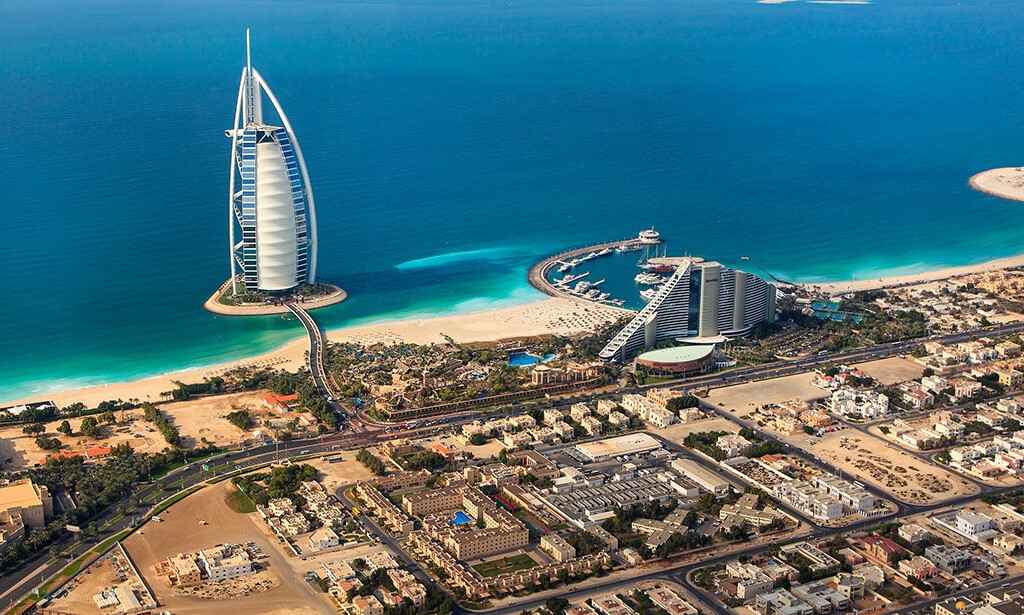
Before diving into individual neighborhoods, it helps to understand the structural forces shaping the entire city.
Real estate transactions in Q1 2026 surged 31% to AED 252 billion, a signal of continued confidence from both local and international buyers. Dubai’s average gross rental yield sits at approximately 7.07% for new contracts – roughly double what investors earn in London, New York, or Hong Kong, and with zero property income tax on top. According to Knight Frank’s Wealth Report, prime residential property in Dubai still offers two to three times more living space per dollar than comparable prime addresses in Singapore or Hong Kong.
The cost of living for a single person in Dubai rose by around 1.6% in 2026 compared to 2025, a modest increase that reflects steady demand without runaway inflation. A single expat living comfortably – with rent, utilities, transport, groceries, and dining – typically spends between AED 18,000 and AED 30,000 per month. Families with children in international schools can expect significantly higher monthly outgoings. And for context, despite its luxury reputation, Dubai’s cost of living sits roughly 44% below New York City’s.
Dubai is also, by the data, one of the world’s safest cities. Numbeo’s 2026 Safety Index places it in the global top five. The IMD Smart City Index ranks Dubai sixth out of 148 cities worldwide, reflecting its government-led investment in digital infrastructure and strong public services.
More than 85% of Dubai’s residential population was born outside the UAE. English is the common language of daily life, international schools span British, American, IB, French, and Indian curricula, and communities here are built around people who are often new to the city — which makes integration far easier than in many other global metropolises.
The Established Neighborhoods: Where Most Residents Already Live
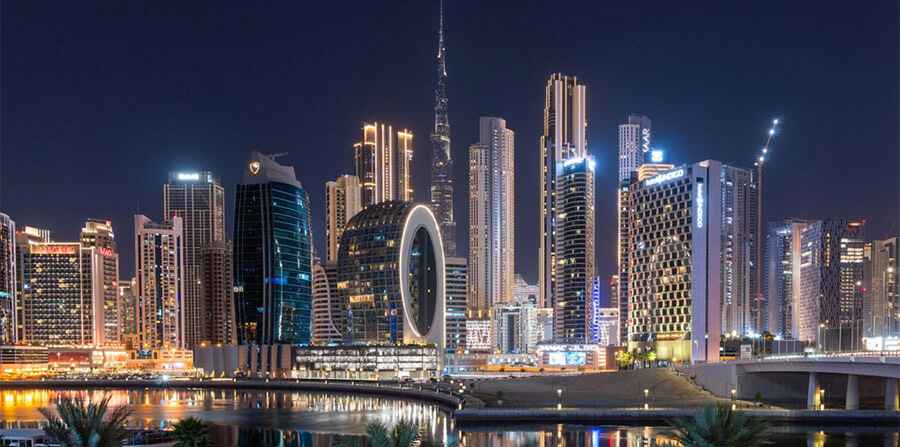
Downtown Dubai – The Iconic Urban Core
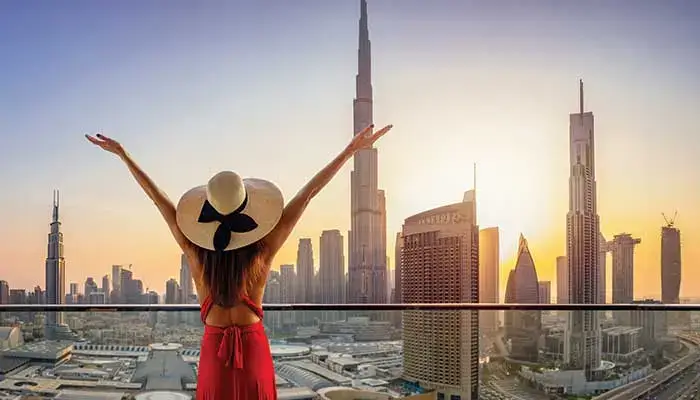
Downtown Dubai is the city’s emotional and commercial center. The Burj Khalifa, Dubai Mall, Dubai Opera, and the Dubai Fountain are all here, along with one of the best Metro connections in the city via the Burj Khalifa/Dubai Mall station.
Who it suits: Urban professionals who want to walk everywhere, are comfortable paying a premium for an address, and spend significant time in DIFC or Business Bay.
Rental picture (2026): A one-bedroom apartment ranges from AED 90,000 to AED 130,000 annually, with premium towers commanding higher. Expect AED 10,000 to AED 25,000 monthly in the mid-to-upper range of the market.
Honest trade-off: Downtown’s secondary towers can be overhyped. You are often paying for the postcode rather than the view. Crowds during shopping festivals and New Year’s Eve are extreme, and parking – if you own a car – is expensive and scarce. Apartment rents rose 4–8% year-on-year in 2025, and that trajectory is continuing.
Gross rental yield: Approximately 6–6.5%.
Dubai Marina – The Waterfront Lifestyle Capital
Dubai Marina is consistently the most-searched residential community in Dubai, and its appeal is genuine. A 3-kilometre man-made marina canal runs through the district, lined with more than 70,000 residents in towers reaching 80 floors. The Marina Walk is arguably the city’s best pedestrian promenade, packed with restaurants, cafés, and retail. Two Metro stations serve the community – DAMAC Properties and Sobha Realty – and the Dubai Tram loops through the entire district.
Who it suits: Young professionals, couples without school-age children, and expats who prioritise lifestyle and walkability. Those working in Dubai Internet City, Media City, or Knowledge Village find the commute straightforward.
Rental picture (2026): One-bedroom apartments range from AED 80,000 to AED 130,000 annually, with premium marina-view towers commanding 15–20% more than buildings on the outer edges. Studio apartments begin around AED 55,000–75,000.
Honest trade-off: The area can feel heavily touristic during peak season. Parking is a perennial challenge. Weekend beach crowds at JBR, a ten-minute walk away, can overwhelm quieter residents. Chiller fees for older buildings can add AED 8,000–15,000 to annual housing costs that many newcomers don’t anticipate.
Gross rental yield: Approximately 6.5–7%.
Jumeirah Beach Residence (JBR) – Beachfront Without the Palm Price Tag
JBR sits adjacent to the Marina but offers something it doesn’t: direct sand access. The Walk is a kilometre-long open-air promenade of restaurants and retail. Bluewaters Island and the newly reopened Ain Dubai (upgraded in late 2024) are within walking distance.
Who it suits: Beach lovers, European expats, families who want coastal access without the Palm Jumeirah price tag.
Rental picture (2026): Studios run AED 85,000–115,000. One-bedrooms hit AED 100,000–140,000. Two-bedrooms range from AED 150,000–210,000. Most units come furnished or semi-furnished. The tram connects JBR to the Marina Metro in five minutes.
Hidden costs: Chiller can add AED 900–1,600 per month. Furnished units cost 15–25% more than their unfurnished equivalents. Beach parking permits run around AED 4,000 per year.
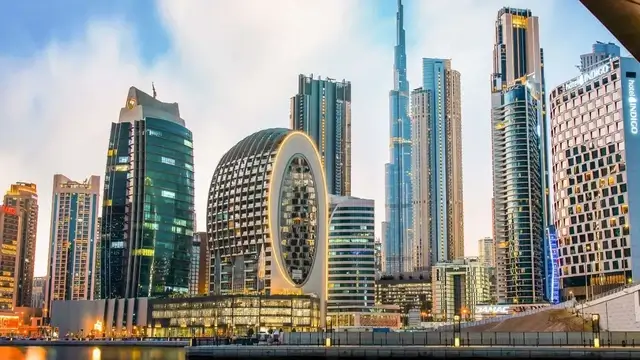
Business Bay – The Smart Professional’s Alternative to Downtown
Business Bay is Downtown’s immediate neighbour, separated by the Dubai Water Canal, and it delivers an almost identical commute experience at a 25–30% discount per square foot. The area is no longer purely commercial – it has evolved into a genuine residential community with modern towers, canal-facing promenades, and dense restaurant options.
Who it suits: Young professionals and entrepreneurs who want central access and a city-focused environment at a more rational price point. DIFC is a short walk or taxi ride.
Rental picture (2026): One-bedrooms typically range from AED 85,000 to AED 120,000 annually, with canal-view units commanding a premium. Studios begin around AED 60,000–70,000.
Honest trade-off: Multiple new towers are handing over through 2026 and 2027, meaning active construction noise in parts of the district. Canal-facing units are worth seeking out specifically; many inland units lack the lifestyle framing that justifies the address.
Future watch: Several analysts flag Business Bay as one of the best value opportunities in Dubai before it catches up to Downtown pricing by 2027–2028.
Palm Jumeirah – The Prestige Waterfront Address
Palm Jumeirah remains Dubai’s most famous residential address and one of its most photographed landmarks globally. The man-made island offers private beach access from apartments and villas alike, resort-grade facilities, and a lifestyle that’s genuinely unlike anywhere else in the city. Atlantis, The Palm, Nakheel Mall, and a string of high-end beach clubs define its social ecosystem.
Who it suits: High-net-worth individuals, ultra-luxury seekers, investors targeting short-term rental yields from the global luxury tourist market.
Rental picture (2026): One-bedroom apartments start at AED 140,000 and reach AED 200,000. Two-bedrooms range from AED 250,000 to AED 350,000. Three-bedroom apartments begin at AED 500,000. Villas with private pools and beach access start at AED 600,000 and scale to AED 1.5 million and beyond.
Honest trade-off: The Monorail is the only public transport option on the Palm, making car dependency high. Traffic on the trunk road during rush hour is a daily irritation for residents. The trade-off is the exclusivity and lifestyle infrastructure that few addresses in the world can match.
The Family Neighborhoods: Where Children Shape the Choice
For families with school-age children, three filters matter above all others: school proximity, green space, and a community that doesn’t feel like an active construction site.
Dubai Hills Estate – The Default Answer for Established Families
Dubai Hills Estate is consistently recommended as the best all-round family community in Dubai, and the data supports it. The 18-hole Dubai Hills Golf Club, 54 kilometres of greenways, Dubai Hills Park, Dubai Hills Mall, and multiple international schools – including GEMS Wellington Academy – are all either within or adjacent to the masterplan. Al Khail Road connects quickly to both Downtown and Dubai Marina.
Who it suits: Established expat families, particularly British families whose school preferences align with the Wellington curriculum. Mid-to-senior professionals who want community stability.
Rental picture (2026): One-bedrooms begin at AED 85,000. Two-bedrooms range from AED 130,000 to AED 170,000. Three-bedrooms are typically AED 190,000–250,000. Villas for sale are now priced at approximately AED 2,300+ per square foot, and five-bedroom villa rents rose sharply in 2025.
Honest trade-off: It is no longer cheap. The premium for the Dubai Hills postcode is real and growing, and newer phases are priced aggressively. For families seeking maximum space-to-price ratio, the nearby Greens community – at around AED 110,000–130,000 for a two-bedroom – offers golf views, community pools, parks, and Metro access at significantly lower cost.
Arabian Ranches – The Established Villa Community
Arabian Ranches is one of Dubai’s most mature gated villa communities, now spanning three phases across different price points. Mediterranean, Arabian, and Spanish-inspired architecture, a golf course, polo club, and a well-established community identity make it a fixture on every family shortlist.
Who it suits: Families seeking villa living with garden space, established neighbourhood character, and access to quality schools. Strong British expat concentration.
Rental picture (2026): Three-bedroom villas range from AED 160,000 to AED 220,000. Service charges are higher than some comparable communities, though the community facilities are among the best in Dubai.
Honest trade-off: Arabian Ranches sits further from Dubai’s main business districts than Dubai Hills, making commute management important. It is car-dependent, as all villa communities in Dubai are.
The Springs and The Meadows – The Underrated Family Value Play
These Emaar-developed communities on the Al Khail Road corridor remain among the best-value family areas in Dubai. Low-rise townhouse clusters, community pools, and proximity to GEMS schools make them a pragmatic choice for families who want villa lifestyle without Arabian Ranches premiums.
Rental picture (2026): Three-bedroom Springs villas range from AED 170,000 to AED 190,000 – strong value given the community infrastructure and school access.
Jumeirah Village Circle (JVC) – The Budget-Conscious Family and Professional Choice
JVC has established itself as the most popular affordable freehold community in Dubai. A dense mix of mid-rise apartments, townhouses, and community retail has created a self-contained neighbourhood that punches above its price weight. Parks, cycle paths, and proximity to major roads make it functional for both families and single professionals.
Who it suits: Budget-conscious residents in their first years in Dubai, investors seeking the strongest gross yields in the city, and families who prioritise square footage over postcode.
Rental picture (2026): Studios range from AED 35,000 to AED 50,000 annually – the most affordable freehold options in Dubai. One-bedrooms hit AED 55,000–80,000. Two-bedrooms reach AED 80,000–110,000.
Investor note: JVC consistently produces some of the highest gross rental yields in the city – often 7–9% – due to its mid-market price point and persistent tenant demand. New supply has kept rents relatively flat, which is the primary risk for investors expecting price appreciation.
Jumeirah Lakes Towers (JLT) – The Professional Alternative to the Marina
JLT is Dubai Marina’s more affordable sibling. Both sit on Sheikh Zayed Road, both have Red Line Metro access, and both put you within a 10-minute walk or tram ride of JBR beach. The difference is what you pay. JLT saves residents AED 15,000–30,000 per year on comparable square footage, and several older towers are chiller-free – saving an additional AED 8,000–15,000 on summer DEWA bills.
Who it suits: Single professionals and couples who value Metro access and proximity to the Marina lifestyle without the Marina price tag. Those working in Jumeirah Lakes Towers’ own significant business district.
Rental picture (2026): One-bedrooms range from AED 70,000 to AED 90,000 annually. Studios begin around AED 45,000–65,000.
Honest trade-off: If you spend four to five evenings a week out and want to walk home from restaurants, the Marina premium may be worth it. If you work from home and mainly need Metro access, JLT is the smarter financial choice.
Al Barsha – The Practical Mid-City Option
Al Barsha is one of Dubai’s most practical mid-market neighbourhoods, sitting between the Mall of the Emirates and Al Khail Road. A mix of villas and apartment buildings gives families and professionals alike solid options. The Mall of the Emirates and Ski Dubai provide leisure infrastructure that few communities can match for convenience.
Rental picture (2026): Two-bedroom apartments typically range from AED 80,000 to AED 110,000. Villas sit higher depending on size and condition.
Mirdif – The Quiet Suburban Choice
Mirdif appeals to families seeking suburban calm away from the tourist-facing parts of the city. Its low-rise residential character, proximity to Mirdif City Centre mall, and Mushrif Park make it a comfortable, relatively affordable family option in the city’s eastern quadrant.
Rental picture (2026): Three-bedroom villas are often available at AED 130,000–170,000, making it one of the more affordable villa communities in Dubai.
Dubai Creek Harbour – The Most Compelling Long-Term Investment in the City
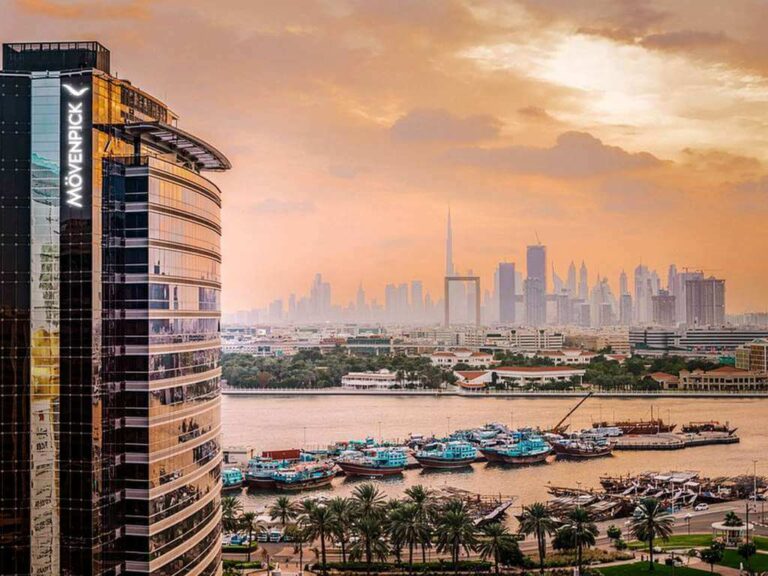
Dubai Creek Harbour deserves its own section because, in 2026, it represents something distinct from every other area on this list: a neighbourhood that is already liveable, already beautiful, and still pricing in future catalysts rather than past ones.
The development sits along the historic Dubai Creek, adjacent to the Ras Al Khor Wildlife Sanctuary – one of the few flamingo reserves within a major global city. Emaar has delivered multiple residential towers, a creek-facing promenade, retail, and dining. The community has functional infrastructure today.
The major future catalyst is the Blue Line Metro. When Dubai Creek Harbour’s station opens in September 2029 – designed by SOM and confirmed by the RTA as the world’s tallest metro station – the commute story changes entirely. Analysts at Knight Frank, CBRE, and Property Monitor all flag this as one of the city’s fastest-rising districts as a result.
The Creek Tower is also moving forward. Emaar founder Mohamed Al Alabbar confirmed in early 2026 that tenders for the redesigned structure will be issued, adding another landmark-driven price catalyst.
Rental yields (2026): Approximately 6.5–7% for apartments, with upside as the community matures and Metro connectivity arrives.
Investor profile: Best suited to buyers with a three-to-five-year horizon who want appreciation upside alongside a liveable community today.
The Emerging Areas: Where 2026 Investors Are Placing Long-Term Bets
Palm Jebel Ali – The High-Stakes, High-Reward Long Play
Palm Jebel Ali is twice the size of Palm Jumeirah. Its revival – formally relaunched by Nakheel with the first villa phases now in sales – represents one of the most consequential real estate bets in Dubai’s recent history. The island spans 13.4 kilometres of land with 110 kilometres of coastline and 91 kilometres of beachfront, planned to eventually house 35,000 families.
A major AED 38 billion agreement in early 2026 brought Aldar Properties into the development, committing to branded and non-branded homes with direct beach access, with further sales expected into 2027.
Investment profile: This is explicitly a long-horizon play. Villa prices start from AED 5 million. The risk is delivery timeline – mega-projects in Dubai have historically taken longer than initial projections. The reward, if the trajectory mirrors Palm Jumeirah, is exceptional capital appreciation for early buyers.
Dubai South – The Airport-Driven Growth Corridor
Dubai South was conceived as the Expo 2020 site and is now evolving into a comprehensive urban community anchored by the expansion of Al Maktoum International Airport. When complete, Al Maktoum is planned to become one of the world’s largest airports. That infrastructure creates a self-sustaining economic gravity around the area.
The neighbourhood offers some of the most affordable residential entry points in Dubai, with apartments available well below the city average. The master plan emphasises sustainability, walkability, and community integration.
Investor profile: Best for those with a five-to-ten-year view who want maximum capital appreciation upside tied to infrastructure delivery. Less suitable for those seeking immediate rental yields from a mature residential community.
Dubai Islands – The Northern Coastal Play
Dubai Islands saw approximately 24% price growth in 2025 and has established itself as the leading northern Dubai investment play. A five-island archipelago north of Deira, the development is adding premium waterfront residential options in a part of the city that historically offered very little at this quality level.
Investor profile: Strong mid-term capital appreciation play, particularly for those targeting tourism-driven short-term rental income as the hospitality infrastructure matures.
Expo City Dubai – The Innovation District
Built on the legacy infrastructure of World Expo 2020, Expo City is evolving into a technology and innovation district with residential phases already handing over. Al Waha and other communities are attracting professionals who want modern, sustainably designed housing near a growing business hub.
Rental yields: Approximately 6–8%, supported by the expanding Al Maktoum Airport corridor.
The Valley – The Family Suburban Frontier
The Valley, developed by Emaar along Al Ain Road, combines suburban calm with green, open-space design. Townhouses and villas are priced with families and investors in mind, offering a lower-cost entry point into Emaar’s community ecosystem. Schools, parks, and retail zones are planned into the masterplan, not retrofitted.
Tilal Al Ghaf – The Lagoon Living Alternative
Tilal Al Ghaf by Majid Al Futtaim has distinguished itself through its man-made lagoon, wellness-focused design, and integrated school planning. Phase 3 is underway, building on the earlier community’s reputation. It appeals to buyers who want something visually and experientially different from the standard Dubai villa community formula.
The Old Dubai Neighbourhoods: Culture, Value, and Local Character
Al Karama – Metro Access, Local Markets, and Budget Living
Just beyond the Dubai Frame, Al Karama is a predominantly residential area that thrives on Metro access, international food options from across South and Southeast Asia, and bargain retail. It is one of Dubai’s most genuinely multicultural neighbourhoods.
Rental picture (2026): Among the most affordable in central Dubai, with one-bedroom apartments available well below AED 60,000 annually in many buildings.
Deira and Bur Dubai – Historic Dubai, Honest Prices
Deira and Bur Dubai represent Old Dubai – low-rise, older buildings, traditional souks (gold, spice, textile), and abra crossings on the Creek. For residents who want authentic Dubai character at honest prices, these areas offer a genuinely different urban experience from the modern towers further south and west.
Rental picture (2026): Among the most affordable in the city, making these areas popular with long-term UAE residents, blue-collar workers, and budget-conscious expats.
Neighbourhood Decision Framework: A Practical Guide by Profile
The right Dubai area is not the most expensive or the most famous. It’s the one that matches your specific situation. Here’s a clear framework.
| Profile | Primary Recommendation | Runner-Up |
|---|---|---|
| Single professional, first year in Dubai | Business Bay studio (AED 60–70K/yr) | JVC studio (AED 35–45K/yr) |
| Couple prioritising beach lifestyle | JBR 1BR (AED 100–120K/yr) | JLT 1BR near Marina (AED 70–85K/yr) |
| Family with school-age children | Dubai Hills Estate 2–3BR | Arabian Ranches 3BR villa |
| Investor seeking maximum yield | JVC (7–9% gross) | Business Bay (6.5–7.5%) |
| Long-term capital appreciation | Dubai Creek Harbour | Palm Jebel Ali (high risk/high reward) |
| Prestige lifestyle, no budget ceiling | Palm Jumeirah villa | Downtown Dubai penthouse |
| Budget family, villa lifestyle | The Springs 3BR | Mirdif villa |
Understanding Dubai’s Infrastructure: What It Means for Your Area Choice
The Metro Network
Dubai Metro’s Red Line runs from Rashidiya in the northeast to the UAE Exchange in Jebel Ali, covering most of the major western residential corridors including JLT, Marina, and Downtown. The Green Line serves Deira, Bur Dubai, and Dubai Healthcare City. The Blue Line, expected to open in 2029, will connect Dubai Creek Harbour and other eastern communities – the single most significant transport development for the property market in the coming years.
A monthly Metro pass costs AED 320, representing one of the most significant cost advantages for residents who can live close to a station and reduce or eliminate car dependency.
The Road Network
Sheikh Zayed Road (E11) is the arterial spine of Dubai, and proximity to it defines commute patterns for most of the city. Al Khail Road connects the family communities of Dubai Hills, Arabian Ranches, and the Springs to both Downtown and the Marina. Emirates Road serves the further suburban communities. Peak-hour traffic between 7:30 and 9:30 AM and again between 5:00 and 7:30 PM is a real quality-of-life factor that prospective residents should test before committing to a neighbourhood.
Al Maktoum International Airport
The expansion of Al Maktoum International Airport – positioned to eventually handle over 250 million passengers annually – is creating a structural uplift for everything within a 20-minute drive. Dubai South, Jebel Ali, Emaar South, and Expo City all benefit directly. The Etihad Rail network connection further extends this corridor’s economic gravity.
Common Mistakes Dubai Area Hunters Make
Trusting commute times without testing them. “Ten minutes to Downtown” in a developer’s brochure means ten minutes at 2am on a Sunday. Do the drive at 8:15am on a Tuesday before you sign a lease.
Ignoring chiller costs. Many older buildings in JLT, the Marina, and Deira operate on district cooling systems that charge separately for air conditioning. In Dubai’s summer, this can add AED 900–1,600 per month to your housing bill – and it’s rarely mentioned upfront.
Choosing the area before visiting. Scroll through Property Finder, identify three to five candidate areas, and spend at least one weekday morning and one weekend afternoon in each before deciding. The difference in atmosphere and noise between a weekday and a weekend in tourist-facing areas like JBR is significant.
Prioritising square footage over connectivity. A 1,500 sq ft apartment in a disconnected community will cost you more in time, transport, and frustration than a 900 sq ft unit near a Metro station.
Not checking school waitlists first. The most popular international schools in Dubai – GEMS Wellington, Kings’ School, Jumeirah English Speaking School – have waitlists of one to two years or more. If school access is driving your area choice, speak to the school before you choose the neighbourhood.
2026–2027 Rental Market Outlook by Area Type
Market analysts broadly expect the following directional trends through 2027:
Premium waterfront zones – Marina, Palm Jumeirah, JBR, Dubai Harbour – are expected to see 10–15% rental growth as demand continues to outstrip limited supply.
Established family communities – Dubai Hills, Arabian Ranches, The Springs – will see moderate growth of 5–8%, constrained by new villa supply from multiple developers.
Budget and mid-market apartment communities – JVC, Discovery Gardens, Al Barsha – are expected to remain relatively flat due to continued new supply absorption.
Emerging areas – Dubai Creek Harbour, Dubai South, Dubai Islands – will see uneven growth correlated with infrastructure milestones rather than linear market forces.
FAQs
Which area in Dubai is best for families in 2026?
Dubai Hills Estate leads for most established expat families, thanks to its combination of international schools (including GEMS Wellington), 54 kilometres of greenways, Dubai Hills Mall, and strong road connectivity. Arabian Ranches and The Springs are strong alternatives at varying price points. For families watching their budget, The Greens offers strong school access and community facilities at a more affordable apartment price.
What is the most affordable area to rent in Dubai in 2026?
Jumeirah Village Circle (JVC) remains the most affordable freehold community, with studios available from AED 35,000 annually. Al Karama, Deira, and parts of Bur Dubai offer even lower rental prices in older building stock. For families wanting a villa at the lowest price point, Mirdif provides solid suburban value.
What is the average rent in Dubai Marina in 2026?
One-bedroom apartments in Dubai Marina range from AED 80,000 to AED 130,000 per year, depending on tower quality, floor level, and marina views. Studio apartments begin around AED 55,000. Premium towers with direct marina views command a 15–20% premium over their outer-edge equivalents.
Is Dubai Creek Harbour a good investment in 2026?
Yes, for buyers with a medium-to-long horizon. The community is liveable today, offering waterfront promenades, retail, and dining. The major catalyst is the Blue Line Metro station opening in 2029, which analysts widely expect to reprice the area meaningfully. Rental yields currently sit around 6.5–7%, and capital appreciation potential is among the highest in the city.
Which Dubai areas have the highest rental yields in 2026?
Jumeirah Village Circle consistently leads with gross yields of 7–9%. Business Bay, Dubai Creek Harbour, and JLT follow in the 6.5–7.5% range. Downtown Dubai and Dubai Marina offer 6–6.5%. Ultra-premium areas like Palm Jumeirah produce lower percentage yields but attract ultra-high-net-worth tenants on shorter terms.
What is Dubai’s average gross rental yield in 2026?
Dubai’s average gross rental yield sits at approximately 7.07% for new rental contracts in 2026 – roughly double what investors receive in London, New York, or Hong Kong, with no property income tax on top.
How much money do you need to live comfortably in Dubai as a single expat in 2026?
A single expat living comfortably – covering rent in a central area, utilities, transport, groceries, dining out regularly, and some savings – typically needs between AED 18,000 and AED 30,000 per month (approximately USD 4,900–8,168). The wide range reflects the difference between living in JVC versus Downtown Dubai.
Is Palm Jebel Ali a good investment in 2026?
Palm Jebel Ali is a high-risk, high-reward long-horizon play. If it follows the trajectory of Palm Jumeirah – where early buyers saw exceptional capital appreciation – the upside is significant. Villa prices start from AED 5 million, and sales are live for the first phases. However, delivery timelines for mega-projects in Dubai are historically unpredictable, and this investment suits buyers with a five-to-ten-year horizon who can hold through the development cycle.
What is the best area for young professionals in Dubai in 2026?
Dubai Marina for lifestyle and walkability, Business Bay for central access at a smarter price, and JLT for the best value without sacrificing Metro connectivity. For the most budget-conscious professionals, a JVC studio or a Barsha Heights serviced apartment offers maximum savings while maintaining practical infrastructure.
Which new Dubai neighborhoods are rising fastest in 2026?
Dubai Islands saw approximately 24% price growth in 2025 and continues to attract strong investor attention as the city’s leading northern coastal development. Dubai Creek Harbour is rising steadily ahead of its Metro catalyst. Dubai South is growing in line with Al Maktoum Airport’s expansion timeline.
How does Dubai compare to other global cities on cost of living in 2026?
Dubai’s cost of living sits approximately 44% below New York City’s, with rents averaging 50% lower. Compared to London and Singapore, Dubai offers significantly more space per dollar of housing cost. The absence of personal income tax further enhances effective purchasing power for working professionals.
What should I check before renting in Dubai?
Verify whether the building uses DEWA metering or a district chiller system – the difference can be AED 8,000–15,000 in annual energy costs. Check elevator condition and building maintenance responsiveness in older towers. Confirm parking allocation. Review the RERA rent calculator to verify the asking rent is within legal limits before signing. And always test the commute at peak hours, not off-peak.

Usman Ali is a full-time content writer and financial specialist with over 6 years of experience living and working in the UAE. He focuses on business finance, insurance, investments, and corporate financial strategies, delivering authoritative content tailored to entrepreneurs and professionals.
Ali combines in-depth industry research with practical insights, helping readers understand complex financial and insurance topics in a simple, actionable way. His content is designed to build trust, authority, and long-term value for business-focused audiences.