The Dubai Mall Shopping Guide 2026: Shops, Attractions, Dining & Visitor Tips
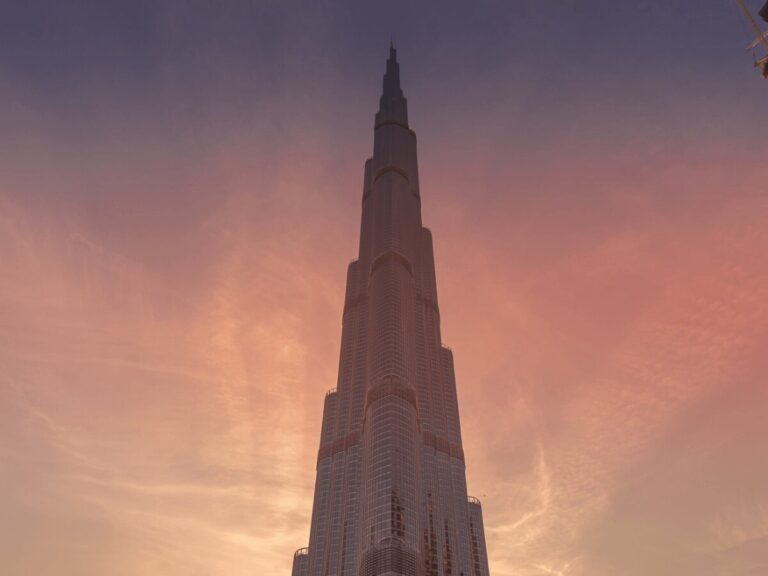
The Dubai Mall is not just a shopping centre – it is a full-day destination sitting at the foot of the Burj Khalifa in the heart of Downtown Dubai. As one of the largest shopping malls in the world by total area, it combines over a thousand retail stores with an aquarium, an ice rink, a cinema, and hundreds of dining options under one roof. Whether the goal is a focused luxury shopping trip, a family outing, or simply watching the Dubai Fountain at sunset, understanding how the mall is laid out – and how to move through it efficiently – makes the difference between a rushed visit and a genuinely enjoyable one. This guide walks through everything a first-time or repeat visitor needs in 2026: what’s inside, how to get there, what things cost, and how to plan a visit around personal interests.
Quick answer: The Dubai Mall is one of the world’s largest shopping malls, located in Downtown Dubai beside the Burj Khalifa. It houses over 1,200 stores, 200+ restaurants, the Dubai Aquarium & Underwater Zoo, an Olympic-sized ice rink, a cinema, and direct access to the Dubai Fountain, and is reachable by metro via a dedicated bridge from Financial Centre Station.
What Is the Dubai Mall? Background and Scale
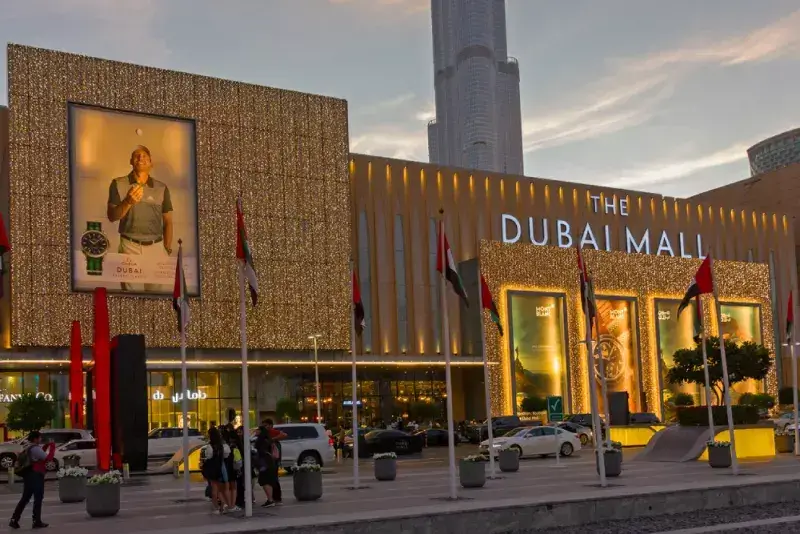
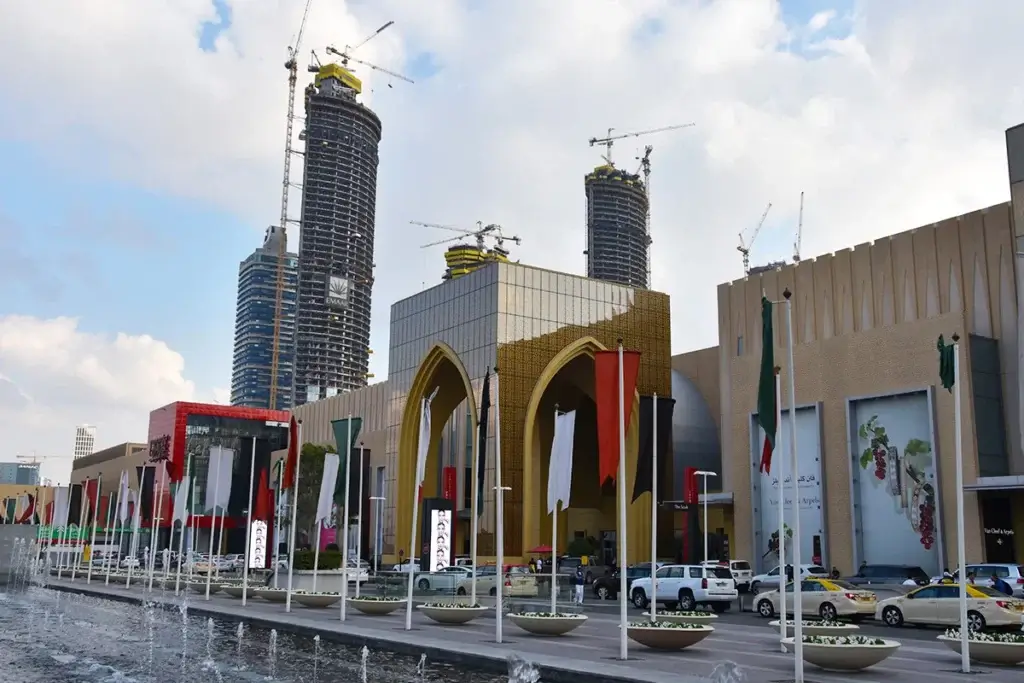
The Dubai Mall opened on 4 November 2008 as the centrepiece of Emaar Properties’ Downtown Dubai megaproject, a development conceived during Dubai’s rapid economic expansion of the early 2000s. Rather than functioning as a standalone retail box, it was designed from the outset as a landmark destination meant to anchor the wider Downtown Dubai district alongside the Burj Khalifa and the Dubai Fountain.
In terms of raw scale, the mall’s total floor area sits at roughly 1.1 million square metres, with retail space alone accounting for around 502,000 square metres across more than 1,200 stores. That scale is part of why the mall draws an estimated 80 million visitors annually, making it one of the most visited destinations on Earth – tourist numbers that rival those of entire small countries.
The mall is managed and continually expanded by Emaar Properties, one of the UAE’s most prominent real estate developers, which also built the Burj Khalifa and much of Downtown Dubai. This shared ownership is why the three landmarks – mall, tower, and fountain – function almost as a single connected experience rather than separate attractions.
Getting to the Dubai Mall
By Metro
The most reliable way to reach the mall, especially during peak traffic hours, is the Dubai Metro Red Line. Visitors disembark at Financial Centre Metro Station (renamed Burj Khalifa/Dubai Mall in RTA signage) and cross into the mall via a dedicated, air-conditioned pedestrian bridge – a walk that takes roughly 10–15 minutes but spares visitors from Downtown Dubai’s often heavy road traffic.
By Car and Parking
Dubai Mall offers extensive parking across several zones (Fashion Avenue, Grand Atrium, Cinema, Waterfall, Zabeel, and Sheikh Zayed Road parking). Parking is free for the first four hours on weekdays and six hours on weekends, after which tiered hourly charges apply. Valet service and premium parking zones are available for a fee near key entrances.
By Taxi or Ride-Hailing
Taxis and ride-hailing services drop off at multiple entrances, though during evenings and weekends – particularly around Dubai Fountain show times – traffic near the mall’s main entrances can be heavy. Booking a drop-off slightly earlier than needed is a practical habit for weekend visits.
Shopping at the Dubai Mall
Shopping remains the mall’s core identity, and its retail directory spans the full spectrum from mass-market chains to ultra-luxury flagship stores.
Fashion Avenue
Fashion Avenue is the mall’s dedicated luxury wing, home to flagship boutiques from major international design houses. It functions almost as a mall within the mall, with its own dedicated valet entrance and a more curated, gallery-like layout compared to the general retail floors.
General Retail
Beyond Fashion Avenue, the mall covers electronics, jewellery, sportswear, perfume, homeware, and department stores across multiple levels, connected by escalators, lifts, and open walkways. Because the directory is so large, downloading the official Dubai Mall app before arrival is one of the most useful things a visitor can do – it provides an interactive map with turn-by-turn directions between stores, a genuine time-saver in a mall this size.
Souk Al Bahar
Just across the water from the mall’s waterfront promenade sits Souk Al Bahar, a smaller Arabesque-style shopping and dining complex connected to Dubai Mall by a footbridge. It offers some of the best fountain-view dining tables in Downtown Dubai and is worth combining with a Dubai Mall visit rather than treating as a separate trip.
Attractions Inside the Dubai Mall
The mall’s attractions are what separate it from an ordinary shopping centre, and they’re substantial enough to justify a dedicated visit on their own.
Dubai Aquarium & Underwater Zoo
One of the mall’s signature attractions, the aquarium features a large viewing panel and a walk-through tunnel filled with sharks, rays, and thousands of marine animals. Standard entry tickets for 2026 generally start from around AED 120 for adults and AED 95 for children aged 2–11, with children under two entering free. A Gold Pass tier, priced higher, typically adds extras such as behind-the-scenes tours, glass-bottom boat rides, and fish-feeding experiences. Visiting on a weekday morning shortly after opening is the most reliable way to avoid the long queues that build up by mid-morning on weekends.
Dubai Ice Rink
An Olympic-sized indoor ice rink offers public skating sessions throughout the day, along with lessons for beginners. It’s a popular cooling-off activity for families, especially given Dubai’s outdoor summer heat.
VR Park and Hysteria
VR Park combines virtual-reality rides with more traditional arcade-style attractions, while Hysteria adds a horror-themed walkthrough experience for older visitors and thrill-seekers.
KidZania
KidZania is a role-play city built specifically for children, where kids can “work” simulated jobs – from pilot to firefighter to chef – in a scaled-down, supervised environment. It’s one of the mall’s strongest draws for families with younger children.
Dubai Dino
A genuine Diplodocus longus skeleton, estimated at around 155 million years old, is displayed near the Grand Atrium. It’s free to view and one of the more quietly remarkable exhibits in the mall – a rare case of a shopping centre hosting an actual paleontological specimen.
Reel Cinemas
The mall’s multiplex cinema offers standard, luxury recliner, and premium screening formats, making it a comfortable midday break option, particularly during the hottest summer months.
The Dubai Fountain and Waterfront
Just outside the mall’s Burj Khalifa exit, the Dubai Fountain performs choreographed water, light, and music shows on the Burj Khalifa Lake. The waterfront promenade offers unobstructed views of both the fountain and the tower, and it’s free to watch from most vantage points, though restaurant terraces along the promenade offer paid seating with a closer view. Evening shows, timed with sunset, tend to be the most photographed and the most crowded – arriving 20–30 minutes early secures a decent viewing spot without a premium reservation.
Dining at the Dubai Mall
With more than 200 dining outlets, the mall’s food scene ranges from casual food-court counters to fine dining with fountain views. Coffee shops, dessert cafés, and bakeries are distributed across nearly every floor, while sit-down restaurants cluster around the waterfront and Fashion Avenue. For visitors who want to watch the Dubai Fountain while eating, booking a terrace-facing table in advance – particularly on weekends – is worth the extra step, since these seats fill quickly around show times.
Planning Your Visit by Visitor Type
| Visitor Type | Recommended Focus | Estimated Time |
|---|---|---|
| First-time tourist | Fashion Avenue walk-through, Dubai Aquarium, Dubai Fountain at sunset | 4–6 hours |
| Family with kids | KidZania, Dubai Ice Rink, Dubai Dino, VR Park | 5–7 hours |
| Luxury shopper | Fashion Avenue, personal shopping services, valet parking | 2–4 hours |
| Couple / date | Waterfront dinner, Dubai Fountain show, Reel Cinemas | 3–5 hours |
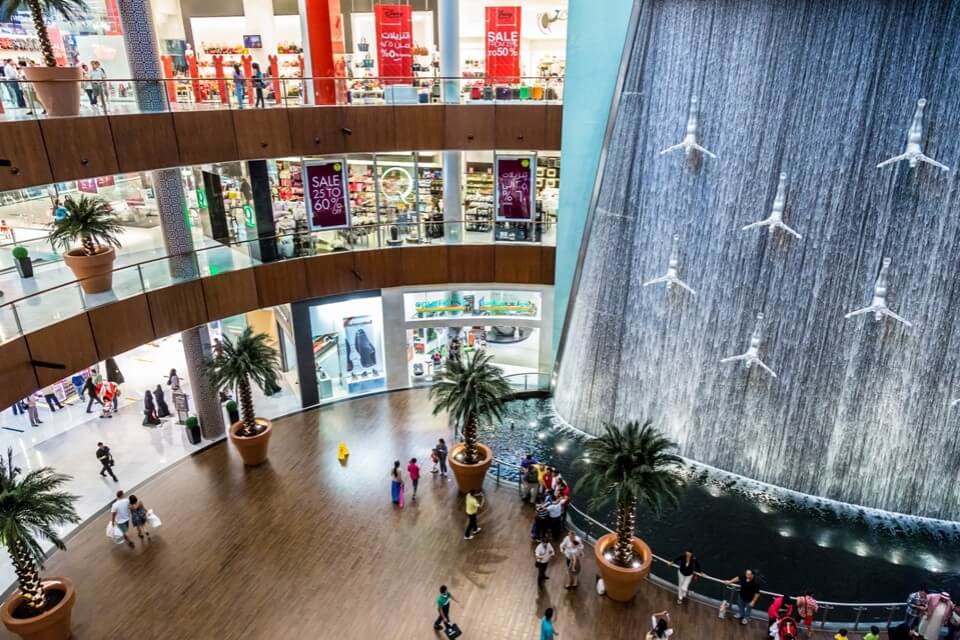
| Solo traveller | Aquarium, casual dining, window shopping, photography at the waterfall | 2–3 hours |
Best Time to Visit
Weekday mornings, shortly after opening, offer the calmest experience across both shopping floors and ticketed attractions. Weekends and evenings draw the largest crowds, particularly around Dubai Fountain show times. During the Dubai Shopping Festival, typically held from mid-January into February, opening hours are often extended and the mall runs additional promotions, entertainment, and prize draws – though footfall increases significantly during this period as well. Ramadan also brings adjusted operating hours across many stores and restaurants.
Accessibility and Practical Tips
The Dubai Mall is fully accessible, with ramps, lifts, wide walkways, and facilities designed to accommodate wheelchairs, strollers, and families with young children. A few practical habits make a large difference for any visitor:
- Download the official Dubai Mall app before arrival for interactive, turn-by-turn navigation.
- Note your parking zone and level immediately – the mall’s scale makes it genuinely easy to forget.
- Book high-demand attraction tickets (aquarium, KidZania) online in advance for discounted rates and shorter queues.
- Wear comfortable footwear; a full visit can easily involve several kilometres of walking.
- Carry a light layer, as indoor air conditioning is strong even during Dubai’s hottest months.
Common Mistakes First-Time Visitors Make
- Underestimating the mall’s size and planning too little time to move between zones.
- Arriving at peak weekend hours without pre-booked tickets for popular attractions.
- Missing the free viewing spots for the Dubai Fountain by assuming a paid seat is required.
- Not checking whether parking has moved to a paid tier before returning to the car.
- Overlooking Souk Al Bahar, which offers a quieter, equally scenic alternative for fountain-view dining.
Future Outlook
As Downtown Dubai continues to expand under Emaar’s broader master plan, Dubai Mall has consistently added new retail concepts, dining formats, and entertainment zones rather than remaining static. Visitors returning after a few years away typically find at least some portion of the mall refreshed, reflecting Dubai’s wider strategy of treating major attractions as continuously evolving destinations rather than fixed developments.
FAQs
1. Is the Dubai Mall free to enter?
Yes, general entry to the mall is free. Only specific attractions inside, such as the aquarium, VR Park, and KidZania, require paid tickets.
2. How do I get to the Dubai Mall by metro?
Take the Dubai Metro Red Line to Financial Centre Metro Station (signed for Burj Khalifa/Dubai Mall), then cross the dedicated air-conditioned pedestrian bridge directly into the mall.
3. What are the Dubai Mall opening hours?
The mall is open daily, generally from around 10:00 AM, with hours often extended during the Dubai Shopping Festival and other major events. (Confirm current hours on the official Dubai Mall website before visiting, as they can vary seasonally.)
4. Is the Dubai Mall the biggest mall in the world?
It is widely cited as the world’s largest shopping mall by total area, combining retail space with major entertainment attractions under one roof.
5. How much are Dubai Aquarium tickets?
Standard entry typically starts around AED 120 for adults and AED 95 for children aged 2–11, with a higher-priced Gold Pass tier adding extras like glass-bottom boat rides. (Verify current pricing on the official ticketing page, as rates change periodically.)
6. Is parking free at the Dubai Mall?
Parking is free for the first four hours on weekdays and six hours on weekends, with tiered charges afterward and optional valet service.
7. What time is the Dubai Fountain show?
Shows run at set intervals throughout the afternoon and evening, with sunset performances typically drawing the largest crowds. (Check the official schedule, as timings can shift seasonally.)
8. Can you see the Burj Khalifa from the Dubai Mall?
Yes. The mall’s waterfront promenade and several restaurant terraces offer direct, unobstructed views of the Burj Khalifa and the Dubai Fountain.
9. What’s inside the Dubai Mall for kids?
KidZania, Dubai Dino, the Dubai Aquarium, VR Park, and Dubai Ice Rink are the main family-oriented attractions.
10. How many shops are in the Dubai Mall?
The mall houses more than 1,200 retail stores across multiple levels, spanning mass-market and luxury categories.
11. Is the Dubai Mall accessible for wheelchairs and strollers?
Yes, the mall is fully accessible, with ramps, lifts, and wide walkways throughout.
12. What is Souk Al Bahar and is it part of the Dubai Mall?
Souk Al Bahar is a separate but connected Arabesque-style shopping and dining complex linked to Dubai Mall by a footbridge, offering an alternative for fountain-view dining.
Conclusion
The Dubai Mall earns its reputation not from any single feature but from how many different experiences it successfully combines – serious luxury shopping, family entertainment, dining with skyline views, and one of the world’s most photographed fountain shows, all within walking distance of the Burj Khalifa. Visitors who plan around their own priorities, whether that’s Fashion Avenue, the aquarium, or simply a sunset by the water, tend to get far more out of the mall than those who try to see everything in one pass. Used as a base for exploring Downtown Dubai more broadly, it remains one of the most efficient single stops in the city for understanding what modern Dubai is trying to be.

Shahzeen Usman is a full-time content writer based in the UAE, with over 5 years of local experience covering travel, lifestyle, and destination-focused stories. She specializes in creating engaging, research-driven content that highlights hidden gems, cultural insights, and travel trends across the Emirates and beyond.
With a deep understanding of UAE tourism, Shahzeen brings authentic perspectives to her writing, helping readers discover meaningful travel experiences. Her work combines storytelling with SEO best practices, making her content both informative and search-engine friendly.