Mall of the Emirates Area Guide 2026: Shopping, Ski Dubai, Dining & How to Get There
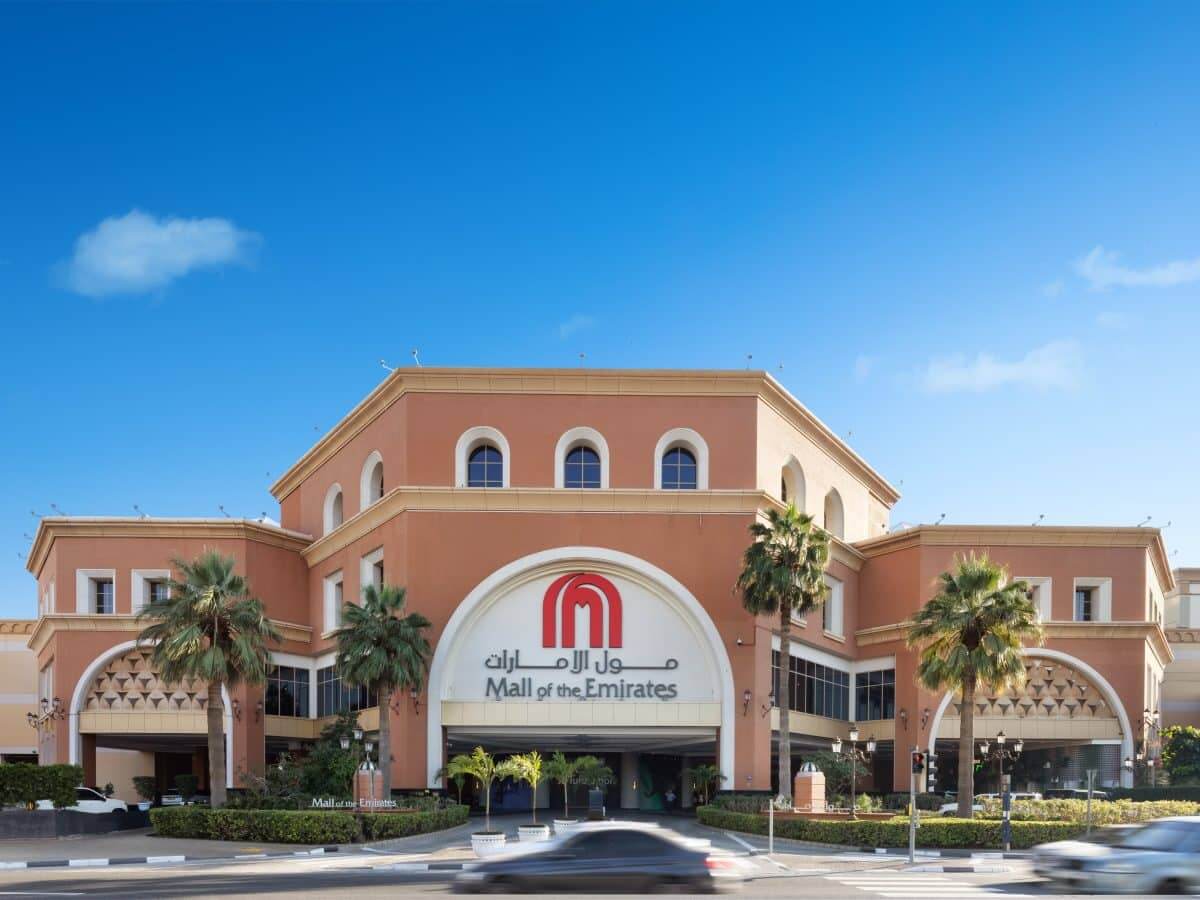
Mall of the Emirates (MOE) is a mega shopping and entertainment complex in Al Barsha, Dubai, best known for housing Ski Dubai, the Middle East’s first indoor snow park. Opened in 2005, it holds more than 630 stores, over 100 restaurants and cafés, a multiplex cinema, and Dubai’s Community Theatre. It sits directly on the Dubai Metro Red Line at Mall of the Emirates Station and is undergoing a multi-billion-dirham expansion through 2026.
Few buildings capture Dubai’s contradictions as neatly as Mall of the Emirates. Step outside on a July afternoon and the pavement can feel hot enough to cook on. Step inside, walk past the Fashion Dome, and within a few minutes you can be standing at the base of an indoor ski slope watching snow machines blow fresh powder onto a mountain built entirely under a shopping mall roof. That mix of everyday retail and theatrical spectacle is exactly what has kept Mall of the Emirates near the top of “things to do in Dubai” lists for two decades.
This guide covers the mall the way a resident who actually shops, eats, and takes visiting family there would explain it: what’s inside, how the area around it works, how to get there without wasting an afternoon in traffic, and what’s changing in 2026 as its owner, Majid Al Futtaim, pushes ahead with a major expansion. Whether the plan is a focused shopping trip, a day at Ski Dubai, or simply understanding the neighbourhood before booking a hotel nearby, everything needed is below.
Where Mall of the Emirates Sits in Dubai’s Geography
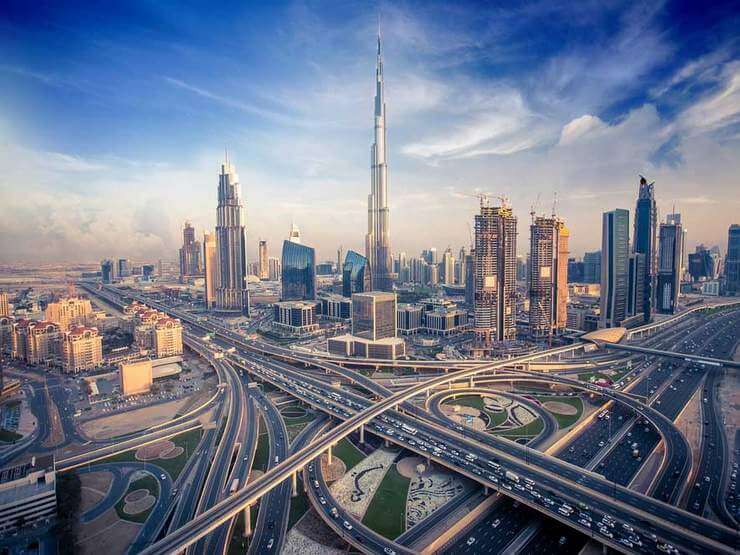
Mall of the Emirates is located in Al Barsha 1, fronting Sheikh Zayed Road, roughly midway between Downtown Dubai and Dubai Marina. That position is the reason it works so well as a hub: it isn’t tucked into a single neighbourhood so much as it sits at a junction that several neighbourhoods share.
The mall’s location makes it easily accessible for the residents of Al Barsha, The Greens, and Al Sufouh, with Umm Suqeim and Al Quoz also close by. Emirates Hills, one of Dubai’s more established villa communities built around golf courses and low-rise privacy, treats the mall as its default lifestyle hub even though the community itself feels quiet and self-contained.
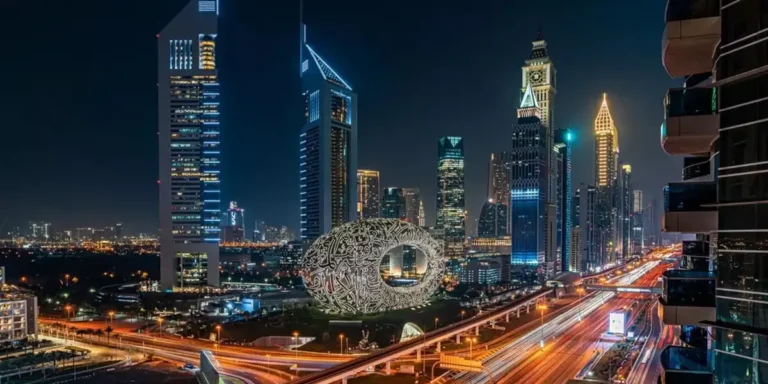
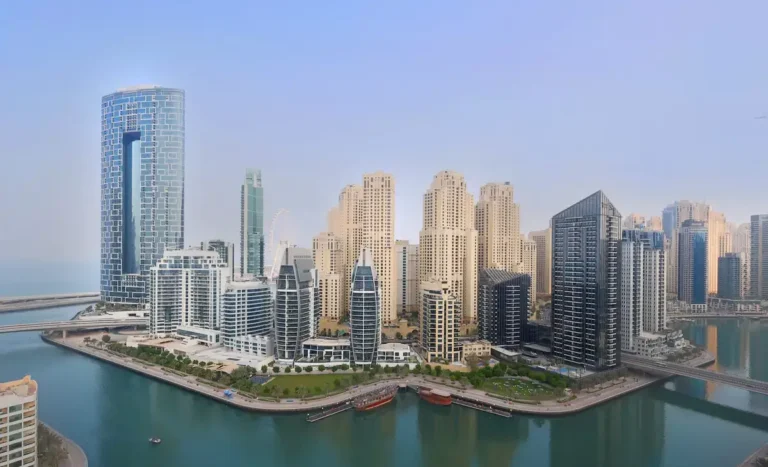
For anyone building a mental map of the corridor: Downtown Dubai and DIFC sit to the east along Sheikh Zayed Road, Dubai Marina and JBR sit further west, and Mall of the Emirates is roughly the midpoint between them. That makes it a natural stop whether coming from the business core or the coastal districts, and it explains why so many Dubai itineraries pair a morning in Downtown with an afternoon at MOE.
A Brief History and What “2026” Means for the Mall
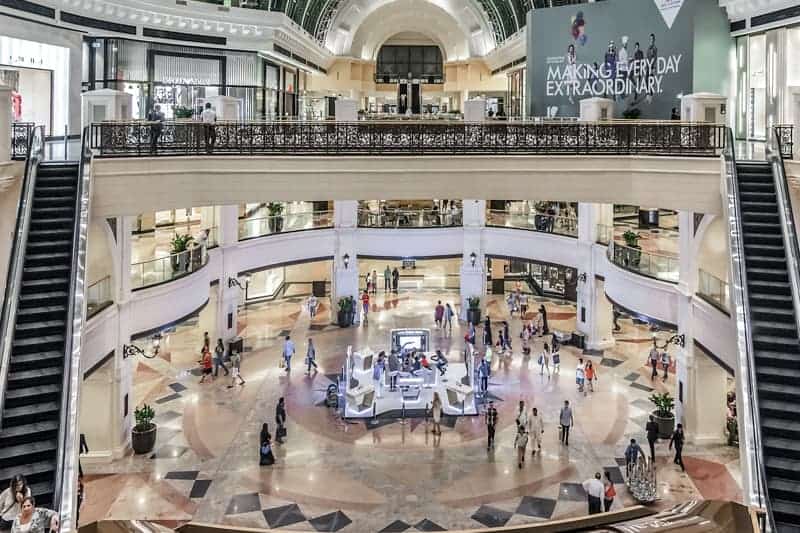
Mall of the Emirates opened in 2005 as a multi-level shopping mall that reshaped the local retail experience with its scale and design. It was one of the first developments in Dubai to combine serious luxury retail with a headline entertainment attraction rather than treating shopping and entertainment as separate trips.
Over the years the mall has gone through several rounds of expansion and improvement, reflecting Dubai’s broader push to build modern retail and lifestyle infrastructure. The most significant of these is happening now. In 2026, Mall of the Emirates announced a multi-billion-dirham expansion plan that includes roughly 20,000 square metres of new retail space, around 100 new stores, wellness centres, and a 600-seat theatre. A new bridge connecting Umm Suqeim Street and Sheikh Zayed Road has already opened as part of the works, aimed at easing access to the site. Separately, the project has also been described as a roughly AED 1.8 billion investment covering more than 100 new stores and a theatre upgrade.
Editorial note: reported expansion figures (project value, new retail area, store counts) vary across sources and should be verified against Majid Al Futtaim’s official newsroom before publishing, as these numbers are subject to revision as the project progresses.
Practically, this means visitors in 2026 may encounter phased construction zones, temporary walkway diversions, or newly opened wings depending on when they visit — worth checking the mall’s official app or website shortly before a trip.
What’s Inside: Shopping at Mall of the Emirates
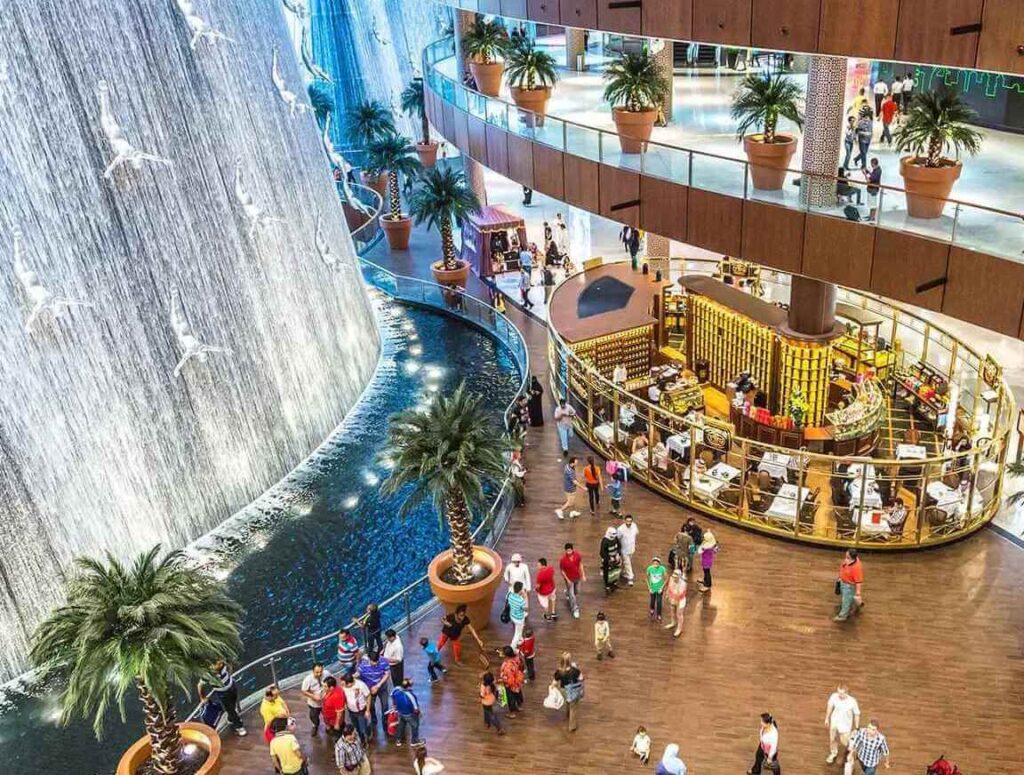
The mall houses more than 630 retail outlets, including department stores, fashion chains, and electronics retailers, as well as the largest Carrefour hypermarket in the city. The retail mix is deliberately layered by budget and taste rather than sorted into one “luxury mall” identity.
The Fashion Dome and Luxury Wing anchor the high end. Walking through the Fashion Dome, shoppers find luxury houses such as Chanel, Gucci, Dior, and Louis Vuitton positioned alongside fine jewellery. These themed zones are built with taller ceilings, natural light, and quieter footfall than the mall’s general concourses, and they’re where most flagship brand openings happen.
Everyday and mid-range retail fills the rest of the mall — international fast-fashion chains, electronics, homeware, and a full-size Carrefour hypermarket that residents use for regular grocery runs rather than tourist shopping. This dual identity (five-star luxury wing plus a working hypermarket) is unusual even by Dubai mall standards and is part of why MOE draws both tourists and daily commuters in similar numbers.
Dining at Mall of the Emirates
More than 100 restaurants and cafés operate across the mall, covering a wide range of international cuisines. Options range from fast-casual food court counters to sit-down restaurants with views over Ski Dubai’s slopes — the Avalanche Café, for instance, is built with a balcony directly facing the snow park, letting diners watch skiers while eating in air-conditioned comfort rather than freezing gear. Reservation-based fine dining, casual Middle Eastern and South Asian kitchens, and specialty coffee shops are distributed throughout the mall rather than confined to one food hall, so a dining stop rarely requires walking far from wherever the shopping happens to be at the time.
Editorial note: specific restaurant names, menus, and operating brands change periodically; verify current tenants against the mall’s official directory before publishing a definitive list.
Ski Dubai: The Mall’s Signature Attraction
No discussion of Mall of the Emirates is complete without Ski Dubai, and it’s the single biggest reason visitors specifically plan a trip here rather than to any of Dubai’s other malls.
Ski Dubai is an indoor ski resort covering 22,500 square metres, making it one of the largest indoor snow parks in the world, with a snow park, ski slopes, an ice museum, and a ski academy for beginners. It holds roughly 6,000 tons of snow maintained at around 4 degrees Celsius, and features five slopes, a chairlift, and a colony of real penguins that visitors can meet up close.
What There Is to Do
- Snow Park – tobogganing, tubing runs, snow bumpers, a climbing wall, and a snow plough playground for younger children
- Ski and snowboard slopes – five runs of varying difficulty for both beginners and experienced skiers
- Chairlift and mountain thriller ride – included in most full-day passes
- Penguin encounters – timed sessions where visitors get close to Ski Dubai’s resident gentoo and king penguins
- Ski school – lessons for first-timers who want to try the slopes rather than just the snow park
Ski Dubai Timings and Ticket Prices
Ski Dubai is open daily, with hours generally running from 9 or 10 a.m. to as late as 11 p.m. or midnight depending on the day.A single-day Snow Park pass starts at roughly AED 230 for both adults and children, while the more complete Snow Classic Pass sits around AED 275 for full-day access to the snow park, snow cavern, tobogganing, and tubing. For those wanting to actually ski, the Ski Slope Pass starts at approximately AED 305 and includes two hours on the slopes.
| Pass type | Approx. starting price (AED) | What’s included |
|---|---|---|
| Snow Park Pass | ~230 | Snow play, tobogganing, tubing, bumpers |
| Snow Classic Pass | ~275 | Snow park + snow cavern + tobogganing/tubing |
| Ski Slope Pass | ~305 | 2 hours slope access with equipment |
| Group/family deals | Varies | Bundled snow park access with add-ons like penguin encounters |
Editorial note: Ski Dubai pricing, package inclusions, and operating hours change seasonally and for special events. Always verify current rates and timings on the official Ski Dubai website or app before publishing or booking, since figures above are approximate and drawn from third-party sources rather than the operator directly.
Practical tips for Ski Dubai:
- Winter gear (jacket, trousers, gloves, boots) is included with most passes, but hats and thick socks are worth bringing or buying separately.
- Booking online in advance is strongly recommended, since walk-in access can be limited during school holidays and weekends.
- Lockers are available for storing shopping bags and personal items while inside the snow park.
- Arriving on a metro day pass and combining it with a shopping trip afterward is a common local strategy to avoid double parking fees.
Other Entertainment at the Mall
Beyond Ski Dubai, the mall houses Magic Planet, a family entertainment centre with arcade games and rides aimed at younger children, a multiplex cinema, and the Dubai Community Theatre and Arts Centre, which hosts live performances, comedy shows, and cultural events year-round. This mix means a family visit can realistically fill an entire day without repeating an activity.
Getting There: Metro, Car, and Public Transport
Mall of the Emirates is one of the easiest attractions in Dubai to reach without a car, largely because the metro station is built directly into the mall rather than a walk away from it.
Mall of the Emirates Metro Station sits on the Red Line, the busiest and most extensive line in the Dubai Metro network, and functions as a key interchange point for tourists heading to recreational areas and commuters moving between residential and business districts. Because the station is built within the mall itself rather than as a standalone structure, passengers can step off the train straight into the shopping and entertainment areas without going outdoors — a genuine advantage during Dubai’s hottest months.The station offers direct high-speed access to Expo City, Downtown Dubai, Dubai International Airport, and Deira, and also serves as a hub for RTA feeder buses and taxis.
By car: Ski Dubai and the wider mall are easily reached by car, with parking available directly within the mall’s multi-storey parking structure. The mall fronts Sheikh Zayed Road directly, and the newly opened bridge connecting Umm Suqeim Street eases access from the coastal side of the city.
By bus: Several RTA feeder buses — including routes F29, F30, F33, F35, J01, 81, and 93 — connect to the Red Line and serve the Mall of the Emirates metro link.
From Downtown Dubai: Driving from Downtown Dubai to Ski Dubai via Sheikh Zayed Road (E11) takes roughly 15 minutes under normal traffic conditions.
Editorial note: RTA bus route numbers and metro schedules are updated periodically; verify current routes on the RTA’s official Dubai Metro and bus resources before publishing.
Who Uses Mall of the Emirates: Residents vs. Tourists
For residents in surrounding communities, the mall is simply part of daily life — a place for groceries, errands, and casual dining — while for tourists it functions as a must-see stop on any Dubai itinerary. This dual role shapes how the mall actually operates day to day: weekday mornings tend to be dominated by local shoppers and the Carrefour hypermarket, while weekend evenings and school holidays shift heavily toward families and international visitors drawn specifically by Ski Dubai and Magic Planet.
Understanding which “mode” the mall is in matters for trip planning. A quiet, efficient shopping visit is best done on a weekday before midday. A full entertainment day with children is better suited to a weekend, accepting that queues for the snow park and cinema will be longer.
Comparing Mall of the Emirates to Dubai’s Other Major Malls
Dubai has several mega-malls, and first-time visitors often ask which one to prioritise. Mall of the Emirates distinguishes itself in a few clear ways:
- Versus The Dubai Mall: Dubai Mall is larger overall and anchored by the Dubai Aquarium and views of Burj Khalifa and the Dubai Fountain, making it the stronger pick for a Downtown-based visit. Mall of the Emirates wins decisively on indoor entertainment thanks to Ski Dubai, and tends to feel less crowded on an average weekday.
- Versus Ibn Battuta Mall: Ibn Battuta leans into themed architecture across different world regions; Mall of the Emirates is more retail-and-entertainment focused with less emphasis on architectural theming.
- Versus BurJuman: BurJuman is smaller, more boutique, and centred on Bur Dubai’s older commercial district; Mall of the Emirates is a full-day destination mall rather than a quick shopping stop.
For visitors staying near Downtown Dubai, Business Bay, or DIFC, Mall of the Emirates is an easy add-on trip via the Red Line rather than a full separate excursion, since it sits only a handful of metro stops away.
Best Time to Visit and Practical Planning Tips
- Weekday mornings offer the calmest shopping experience with shorter queues at Ski Dubai.
- Friday and Saturday evenings are the busiest, particularly around the cinema and Magic Planet, reflecting the regional weekend.
- Ramadan and school holiday periods bring extended evening hours at many attractions and noticeably higher footfall — booking Ski Dubai tickets in advance is worth it during these windows.
- Summer months (June–September) see the heaviest indoor foot traffic overall, since the mall functions as an air-conditioned escape from outdoor heat that can exceed 45°C.
- Parking is plentiful but fills quickly on weekend evenings; arriving via metro avoids this entirely.
FAQs
1. Where exactly is Mall of the Emirates located? It’s in Al Barsha 1, Dubai, fronting Sheikh Zayed Road between Downtown Dubai and Dubai Marina.
2. How do I get to Mall of the Emirates by metro?
Take the Red Line to Mall of the Emirates Station — the station is built directly into the mall, so no outdoor walking is needed to reach the shops or Ski Dubai.
3. What is Ski Dubai, and is it inside the mall?
Ski Dubai is an indoor snow park and ski resort built inside Mall of the Emirates, featuring real snow, ski slopes, a snow park, and penguin encounters.
4. How much does Ski Dubai cost?
Prices vary by package, starting from roughly AED 230 for snow park access and rising to around AED 305 or more for slope-focused passes; always check current pricing on Ski Dubai’s official site before visiting.
5. Is Mall of the Emirates free to enter?
Yes, entry to the mall itself is free; only specific attractions like Ski Dubai, Magic Planet, and the cinema charge separately.
6. How does Mall of the Emirates compare to The Dubai Mall?
The Dubai Mall is larger and anchored by the Dubai Aquarium and Burj Khalifa views, while Mall of the Emirates is smaller in scale but stronger on indoor entertainment thanks to Ski Dubai.
7. Can you see penguins at Mall of the Emirates?
Yes, Ski Dubai hosts real penguins, and visitors can book timed penguin encounter sessions as part of certain ticket packages.
8. Is there a hypermarket inside Mall of the Emirates?
Yes, the mall houses one of the largest Carrefour hypermarkets in Dubai, widely used by residents for regular grocery shopping.
9. What is happening with the Mall of the Emirates expansion in 2026?
The mall is undergoing a large-scale expansion adding new retail space, additional stores, wellness facilities, and a new theatre, alongside a newly opened bridge improving road access from Umm Suqeim Street.
10. What other entertainment is available besides Ski Dubai?
The mall also has Magic Planet for younger children, a multiplex cinema, and the Dubai Community Theatre and Arts Centre for live performances.
11. Is Mall of the Emirates good for a full-day family trip?
Yes – between shopping, Ski Dubai, Magic Planet, dining, and the cinema, most families can comfortably spend a full day without repeating activities.
12. What is the best time to visit to avoid crowds?
Weekday mornings are quietest; Friday and Saturday evenings, along with school holiday periods, are the busiest times.
Conclusion
Mall of the Emirates has stayed relevant for two decades by refusing to be just another shopping centre. It works as a genuine transit hub thanks to its built-in metro station, as a daily errand stop for residents across Al Barsha and neighbouring communities, and as a headline entertainment destination for anyone who wants to ski indoors in the middle of the desert. With the 2026 expansion adding new retail space, a larger theatre, and improved road access, its role as one of the anchor points along the Sheikh Zayed Road corridor — alongside Downtown Dubai, Business Bay, and DIFC — looks set to grow rather than fade.

Sara is a UAE-based banking and accounting expert with over 4 years of professional experience in the financial sector. Her expertise spans retail banking, financial reporting, compliance, and practical money management topics relevant to individuals and businesses in the UAE.
She contributes clear, accurate, and well-researched financial content, simplifying complex banking and accounting concepts for everyday readers. Sara’s writing reflects strong industry knowledge, regulatory awareness, and a commitment to financial accuracy and transparency.